
Transform Your Smile Today
Dental bonding uses tooth-colored resin to fix small flaws and boost your appearance and confidence. This article explains how bonding works, what to expect at Rudy Aldaragi DDS in Plano, TX, the benefits, who qualifies, aftercare, and why Dr. Rudy Aldaragi is a trusted choice.
What is Dental Bonding and How Does It Improve Your Smile?
Bonding uses a tooth-colored composite resin to correct minor imperfections and restore function while keeping a natural look. The procedure is straightforward and often done in one visit: the resin is placed, shaped, then cured with a light to form a durable repair.
What is composite resin and why is it used in dental bonding?
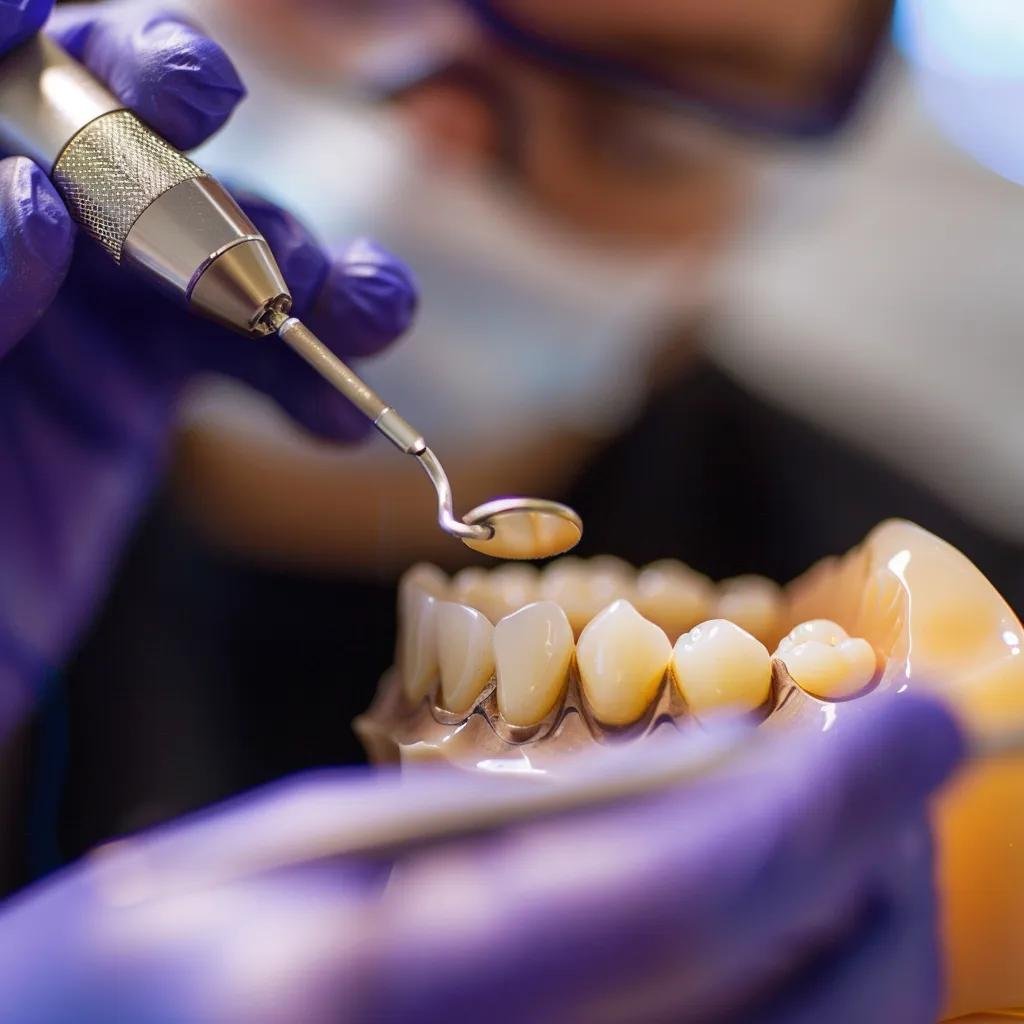
Composite resin mixes plastic and fine glass particles so it can be shaped and polished to match your tooth color. It bonds directly to the tooth and is less invasive than crowns or veneers, making it a common choice for quick cosmetic fixes.
Advances in adhesives and composite materials have improved the reliability and appearance of bonded restorations.
Dental Adhesion: Evolution & Modern Restorative Practices
Modern restorative dentistry would not be possible without the ability to bond to tooth structure. The development of dental adhesives has a lengthy gestation, from the beginnings around 1950, to the latest generation: modern universal adhesives, which were introduced during the 2010s. The foundation for these developments was a deeper understanding of the mechanisms of adhesion to the tooth structure, and to restoration materials.
Dental adhesion with resin composites: a review and clinical tips for best practice, 2022
Which minor dental flaws can dental bonding fix?
Bonding fixes several common imperfections, including:
- Chipped Teeth: Restores shape and function.
- Discoloration: Covers stains for a more uniform shade.
- Gaps Between Teeth: Fills small spaces to improve alignment.
- Misshapen Teeth: Reshapes irregular teeth for a balanced smile.
That makes bonding a versatile option for small cosmetic corrections.
How is the Dental Bonding Procedure Performed at Rudy Aldaragi DDS?
At Rudy Aldaragi DDS, bonding is done efficiently with patient comfort in mind. The team follows a clear, tailored process from consultation to final polish.
What happens during the consultation and smile design?
During the consultation, Dr. Aldaragi reviews your dental health, discusses your goals, and creates a treatment plan. Digital imaging can preview results and clarify timing and any preparations.
How is composite resin applied and sculpted for natural results?
The tooth is gently prepared to improve adhesion. Resin is applied in thin layers, shaped, then cured with a light. Final polishing matches the sheen and contour of nearby teeth for a seamless finish.
What Are the Benefits of Choosing Dental Bonding for Smile Enhancement?
Bonding gives practical advantages for improving your smile:
- Quick Procedure: Often completed in a single appointment.
- Minimally Invasive: Little to no removal of tooth structure.
- Cost-Effective: Typically less expensive than veneers or crowns.
Dr. Rudy Aldaragi and his team add value with careful technique and a focus on patient comfort.
Is Dental Bonding the Right Choice for You?
Whether bonding is right for you depends on your dental health, cosmetic goals, and the extent of damage. Talk with your dentist to choose the best approach.
Who are ideal candidates for dental bonding?
Ideal candidates have small flaws—chips, minor gaps, or discoloration—and generally healthy teeth and gums. Bonding works best when the underlying tooth structure is sound.
What are the pros and cons of dental bonding?
Consider these key points:
- Pros: Fast, minimally invasive, and affordable.
- Cons: Less durable than crowns or veneers; may stain over time and requires good hygiene.
Weighing these pros and cons will help you decide if bonding meets your goals.
How Should You Care for Your Bonded Teeth to Ensure Longevity?
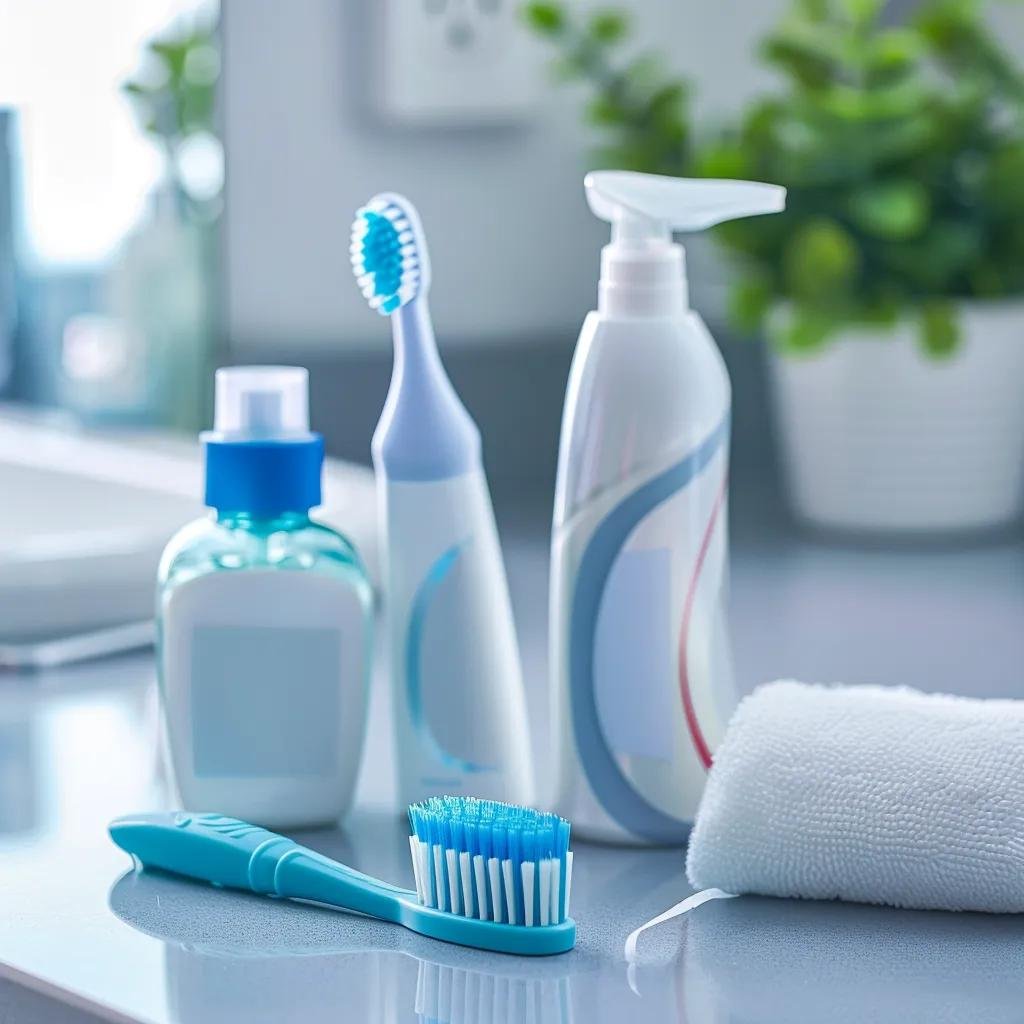
Proper care helps bonded restorations last and look their best.
What oral hygiene practices support bonded teeth?
Keep a consistent routine that includes:
- Brushing Twice Daily: Use a soft brush and fluoride toothpaste.
- Flossing Daily: Remove plaque between teeth to prevent decay.
- Regular Dental Checkups: Professional monitoring helps detect wear or staining early.
These habits help extend the lifespan and appearance of bonded teeth.
How long does dental bonding typically last with proper care?
With good hygiene and sensible care, bonding commonly lasts several years—often 3–10 years. Diet, dental habits, and wear affect longevity; regular dental visits help preserve results.
Research supports the durability of well-maintained composite restorations.
Longevity of Composite Resin Dental Restorations
For direct restorations, amalgam showed the highest survival rates (22.5 years), with an average survival rate of 95% over 10 years, followed by composite resins (90% over 10 years), and glass ionomer cements (65% over 5 years).
The longevity of restorations-A literature review, ZI Vally, 2015
What Makes Dr. Rudy Aldaragi the Trusted Choice for Dental Bonding in Plano?
Choosing the right dentist affects the outcome. Dr. Rudy Aldaragi is a Plano-based cosmetic dentist known for patient-focused care and modern restorative techniques.
What advanced technology and patient care does Rudy Aldaragi DDS offer?
The practice uses digital imaging and high-quality materials to plan and perform bonding precisely, while prioritizing patient comfort throughout treatment.
How does Dr. Rudy Aldaragi’s experience benefit your dental bonding results?
With more than a decade of cosmetic dentistry experience, Dr. Aldaragi tailors bonding to each patient’s needs, aiming for natural, long-lasting results and high patient satisfaction.
| Benefit | Description | Impact Level |
|---|---|---|
| Quick Procedure | Often completed in a single visit. | High |
| Minimally Invasive | Preserves most tooth structure. | High |
| Cost-Effective | More affordable than veneers or crowns. | Medium |
This table highlights bonding’s efficiency and accessibility for patients seeking smile enhancement.
With Dr. Aldaragi and his team, you can expect personalized care focused on a natural-looking result.
Frequently Asked Questions
What are the potential side effects of dental bonding?
Bonding is generally safe, but some people have temporary sensitivity to hot or cold after the procedure. If the material isn’t cared for, it can chip or stain over time. Follow your dentist’s aftercare instructions to reduce these risks and keep the bonding intact.
How does dental bonding affect my natural teeth?
Bonding is minimally invasive and preserves most natural tooth structure. It usually requires little to no enamel removal, so your teeth remain largely intact. Still, good oral hygiene is essential to prevent decay around the bonded area.
Can dental bonding be repaired if it gets damaged?
Yes. If bonding chips or stains, your dentist can add composite resin, reshape, and polish it to match nearby teeth. Regular checkups catch issues early and allow timely repairs.
How long does the dental bonding procedure take?
Bonding usually takes about 30–60 minutes per tooth, depending on complexity. Most treatments can be completed in a single visit, making it a convenient option for a quick smile boost.
Are there any dietary restrictions after dental bonding?
After bonding, avoid hard, sticky, or strongly staining foods for at least 24 hours so the material sets properly. Long term, a balanced diet and avoiding excessive staining foods help preserve the appearance of your bonded teeth.
Is dental bonding suitable for children?
Yes. Bonding can suit children for minor imperfections or to protect a chipped tooth. Consult a pediatric dentist to determine the best approach based on the child’s dental health and needs.
Conclusion
Dental bonding is a quick, affordable, and minimally invasive way to improve your smile by fixing minor flaws like chips and discoloration. With Dr. Rudy Aldaragi’s expertise, patients can achieve natural-looking results that boost confidence. Proper care and regular dental checkups help maintain the longevity and appearance of bonded teeth. Contact us to see if dental bonding is the right choice for your smile transformation.