
Oral Health: Key to Wellness
Protecting your oral health improves both body and mind. This article explains the mouth–body link, how oral conditions affect other systems, and why preventive dental care matters, with practical steps to protect oral and overall health.
That overlooked link is central to your overall wellness.
Oral Health & Systemic Disease: An Overlooked Connection
Oral and systemic health are closely linked. Chronic diseases like diabetes mellitus, cardiovascular diseases, and hypertension increase the risk of dental caries, periodontal disease and tooth loss. Moreover, poor oral health can worsen the status of systemic diseases. Despite this, oral health is often overlooked in chronic disease management. This study aimed to evaluate the oral health status of patients with chronic diseases (PWCD) compared to healthy controls using DIMF-T and DMF-S indices.
An overlooked connection: oral health status in patients with chronic diseases, E Çelebi, 2025
How Does Oral Health Impact Systemic Diseases?
Oral infections and periodontal disease drive systemic inflammation and are linked to heart disease, diabetes, and other chronic conditions. Regular dental care and good hygiene lower those risks. Research shows oral infections affect many systemic conditions beyond heart disease.
Oral Infections & Systemic Health Beyond CVD
During the past 20 years, a plethora of research reports has been published showing a statistical association between poor oral health and cardiovascular diseases. The aim of this narrative review was to focus on associations between oral infections and non-atherosclerosis-related systemic diseases.
Oral infections and systemic health–more than just links to cardiovascular diseases, 2021
What Is the Mouth-Body Connection in Dentistry?
The mouth–body connection means oral bacteria and inflammation can affect distant organs. Periodontal bacteria may enter the bloodstream, spark inflammation, and contribute to heart disease and poorer diabetes control. Good oral hygiene helps prevent these issues.
How Do Oral Bacteria and Inflammation Affect Overall Wellness?
Oral bacteria cause gum inflammation and periodontal disease, which raise systemic inflammation and increase risk for heart disease and diabetes. Effective daily oral care is an important part of long-term health maintenance.
What Is the Relationship Between Gum Disease and Heart Disease?
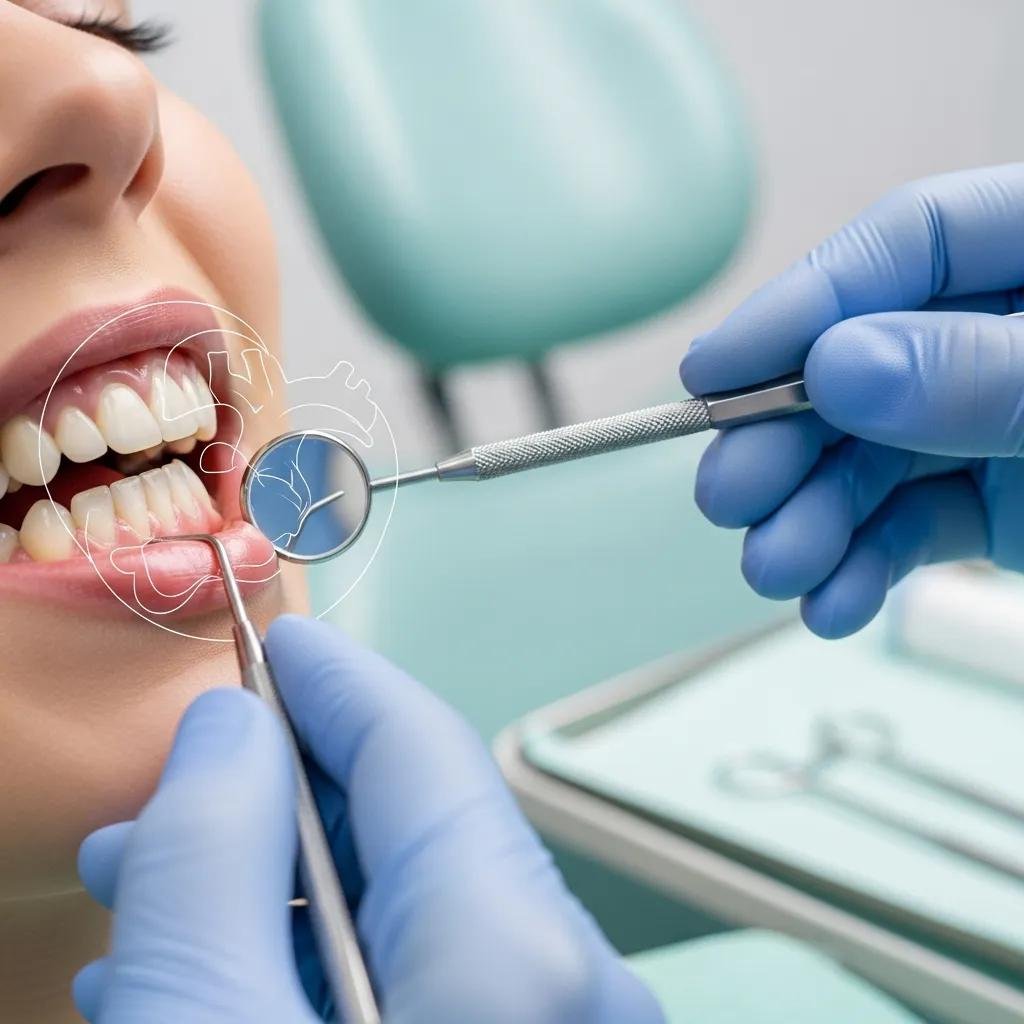
Gum inflammation can promote arterial plaque buildup and raise cardiovascular risk. Treating periodontal disease and improving oral hygiene supports heart health.
How Does Periodontal Disease Contribute to Cardiovascular Conditions?
Gum disease releases inflammatory markers and allows bacteria into the bloodstream, which may promote atherosclerosis and harm the heart. Periodontal treatment can lower cardiovascular risk.
What Are the Risk Factors Connecting Gum Disease and Heart Health?
Shared risks — smoking, diabetes, and poor nutrition — increase the chance of both gum and heart disease. Addressing lifestyle factors and keeping up with dental care reduces combined risk.
How Are Oral Health and Diabetes Connected?
Oral health and diabetes are closely linked: high blood sugar impairs healing and raises gum disease risk, while periodontal inflammation can worsen glycemic control. If you have diabetes, prioritize dental care.
What Is the Bidirectional Relationship Between Gum Disease and Diabetes?
High blood sugar makes healing harder and raises gum disease risk; untreated gum disease can make blood sugar harder to control, creating a harmful cycle.
How Can Managing Oral Health Improve Diabetes Outcomes?

Routine cleanings, daily brushing and flossing, and prompt treatment reduce infections and can help improve blood sugar control.
What Is the Impact of Oral Health on Mental Well-being and Cognitive Function?
Dental pain, difficulty chewing, and embarrassment can harm mental well-being. Emerging research links oral inflammation to cognitive decline, so dental care supports both mental and cognitive health.
How Does Poor Oral Health Affect Mental Health?
Chronic dental problems may cause anxiety, depression, and social withdrawal. Maintaining oral hygiene supports mental health and social confidence.
What Is the Link Between Oral Health and Alzheimer's Disease?
Some studies suggest periodontal bacteria may promote neuroinflammation linked to Alzheimer’s. Keeping oral health in check may help lower long-term cognitive risk.
How Does Oral Health Influence Pregnancy and Respiratory Health?
Poor oral hygiene during pregnancy is associated with preterm birth and low birth weight. Oral bacteria can be aspirated into the lungs and cause respiratory infections in vulnerable people.
What Are the Risks of Poor Oral Health During Pregnancy?
Hormonal changes can worsen gum disease during pregnancy; regular dental care helps reduce risks for both mother and baby.
How Can Oral Bacteria Lead to Respiratory Infections?
Aspiration of oral bacteria can cause lung infections, especially in people with weakened immunity or chronic lung disease. Good oral care lowers that risk.
How Does Rudy Aldaragi DDS Approach Holistic Dental Care for Overall Wellness?
At Rudy Aldaragi DDS, we take a holistic approach that links dental care to overall wellness. The practice offers preventive, periodontal, and patient education services that support oral-systemic health.
Integrative dental care complements chronic disease management by addressing oral contributors to systemic inflammation.
Holistic Dental Care for Systemic Disease Management
of integrative and holistic dental care in modern dentistry, promoting optimal oral health outcomes a fundamental component of managing systemic diseases in dental practice.
Enhancing Patient Outcomes Through Holistic and Integrative Dental Care, 2025
Which Services Support the Oral-Systemic Health Link?
Services include preventive exams, periodontal therapy, and patient education to improve both oral and overall health.
What Preventive Strategies Promote Optimal Oral and Overall Health?
Regular check-ups, personalized hygiene instruction, and timely treatment empower you to manage oral health and lower the systemic risks tied to poor oral health.
Frequently Asked Questions
How does oral health affect pregnancy outcomes?
Poor oral health during pregnancy can raise the risk of preterm birth and low birth weight. Hormonal changes can worsen gum disease, so regular dental care is essential. Good oral hygiene benefits both the mother and the developing baby.
What preventive measures can I take to protect my oral health?
Brush twice daily with fluoride toothpaste, floss daily, and use mouthwash if needed. Eat a balanced diet, limit sugary snacks, and see your dentist regularly for cleanings and checks.
Can oral health impact my cognitive function?
Yes. Emerging research links poor oral health with cognitive decline, including Alzheimer’s. Chronic gum inflammation may contribute to neuroinflammation, so maintaining oral hygiene matters for cognitive health as you age.
What is the connection between oral health and respiratory diseases?
Poor oral hygiene can allow oral bacteria to be aspirated into the lungs, raising the risk of respiratory infections—especially in people with weakened immunity or chronic lung disease. Good oral care helps reduce that risk.
How can I manage oral health if I have diabetes?
If you have diabetes, managing oral health is crucial. High blood sugar raises gum disease risk, and periodontal inflammation can make blood sugar harder to control. Regular dental visits, good daily hygiene, and prompt treatment help with diabetes management.
What lifestyle changes can improve my oral health?
Healthy lifestyle changes improve oral health: quit smoking, eat a balanced diet, stay hydrated, and cut back on sugar. Regular exercise and stress management also support overall and oral health.
How does stress affect oral health?
Stress can cause teeth grinding, gum problems, and canker sores, and may lead you to neglect oral care. Managing stress with relaxation, exercise, and support helps protect your oral health.
Conclusion
Prioritizing oral health is key to overall wellness and lowers the risk of chronic diseases like heart disease and diabetes. Commit to preventive care, daily hygiene, and regular dental check-ups to improve your physical and mental well-being. Our holistic dental approach supports the oral–systemic health connection. Take the first step toward better health by exploring our dental services.