

Gentle Sedation Dentistry in Plano
Sedation dentistry helps patients who feel anxious about dental care. This guide explains sedation options in Plano that lower fear and make visits easier. Because anxiety can cause people to delay care, sedation helps them get necessary treatment with less stress. We cover what sedation is, available options, non‑sedation strategies, costs, and patient experiences.
What Is Sedation Dentistry and How Does It Help Anxious Patients in Plano?
Sedation dentistry uses medication to relax patients during procedures, easing severe dental anxiety so treatment can proceed. Conscious sedation is a well‑established choice for people with significant anxiety or extensive dental needs.
Office-Based Conscious Sedation for Dental Anxiety
Abstract: Conscious sedation administered in the office setting is one important method for helping people obtain necessary dental care. Patients who may benefit from sedation include those with dental anxiety, gag reflex, or extensive treatment needs.
Making patients safe and comfortable for a lifetime of dentistry: frontiers in office‐based sedation, 2001
Understanding Sedation Dentistry: Definition and Purpose
Sedation options include nitrous oxide, oral sedatives, and IV sedation to reduce anxiety and discomfort and to match the procedure’s needs.
How Sedation Dentistry Alleviates Dental Anxiety and Phobia
Nitrous oxide relaxes you while keeping you awake; oral sedation causes drowsiness and may limit memory; IV sedation produces deeper sedation with little recall. These options increase comfort and help patients keep up with regular dental care.
Which Sedation Dentistry Options Are Available at Rudy Aldaragi DDS in Plano?
Rudy Aldaragi DDS provides nitrous oxide, oral conscious sedation, and IV sedation, tailored to each patient’s anxiety level and the planned procedure.
How Does Nitrous Oxide Sedation Work and Who Is It Best For?

Nitrous oxide is inhaled with oxygen for mild to moderate anxiety. You stay awake and recover quickly, so normal activities usually resume soon after.
What Are the Benefits and Process of Oral Conscious Sedation?
Oral conscious sedation is a prescribed pill taken before your visit, typically after a pre‑appointment consult. It reduces anxiety and may cause drowsiness or limited recall. Discuss side effects and your medical history with the dentist.
Studies show oral sedatives like Midazolam reduce anxiety during dental procedures, though potential side effects must be considered.
Oral Sedation for Dental Anxiety Reduction
Midazolam 15 mg promoted greater anxiety reduction than placebo in patients undergoing dental procedures. However, adverse effects from oral sedatives are negative outcomes in dentistry that should be considered.
Effectiveness and safety of oral sedation in adult patients undergoing dental procedures: a systematic review, C de Cássia Bergamaschi, 2021
When Is IV Sedation Recommended for Severe Dental Anxiety in Plano?
IV sedation is recommended for severe dental anxiety or extensive procedures. It provides deeper sedation so patients feel very relaxed and are often unaware of the treatment.
How Is IV Sedation Administered and Monitored?
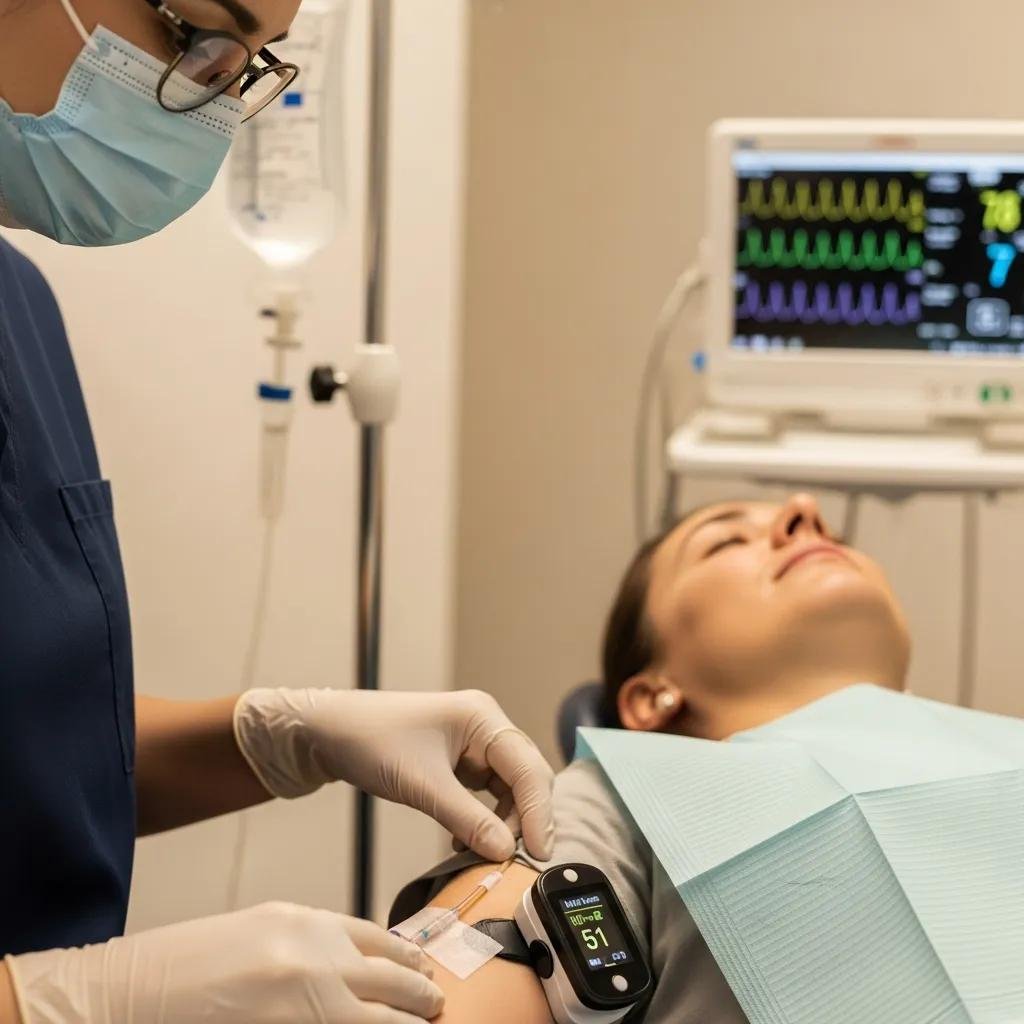
IV sedation is delivered through a small IV in the arm and continuously monitored by trained staff. Levels are adjusted quickly to maintain safety and comfort. Research documents IV sedation’s efficacy and safety for managing dental fear in outpatients, making it a reliable option for many patients.
IV Sedation for Dental Fear & Anxiety
Management of patients’ fear and anxiety during dental treatment is a primary concern of dental professionals. Intravenous sedation is an effective and safe method for managing fear and anxiety in dental outpatients, with minimal incidence of potentially serious adverse effects.
Comparing efficacy and safety of four intravenous sedation regimens in dental outpatients, 2001
What Procedures and Patient Profiles Benefit Most from IV Sedation?
IV sedation suits multiple extractions, extensive restorative work, or patients with severe phobia or difficulty remaining still during treatment.
What Non-Sedation Techniques Support Dental Anxiety Management at Rudy Aldaragi DDS?
Rudy Aldaragi DDS also uses non‑sedation methods: a calming environment, clear communication, comfort items (blankets, music), and staff trained to reduce anxiety.
Which Comfort Amenities and Communication Strategies Enhance Patient Relaxation?
Comfort items and clear explanations help patients relax and build trust before and during care.
How Do Relaxation Exercises Complement Sedation Dentistry?
Deep breathing and guided imagery complement sedation and help patients feel more in control before and during treatment.
How Much Does Sedation Dentistry Cost in Plano and What Insurance Options Are Available?
Costs vary by sedation type and procedure complexity.
What Are the Typical Costs for Different Sedation Types?
Typical ranges: nitrous oxide $50–$150; oral conscious sedation $150–$300; IV sedation $300–$800. Exact fees depend on procedure length and required resources.
Which Insurance Plans and Financing Options Does Rudy Aldaragi DDS Accept?
The practice accepts many insurance plans that may partially cover sedation. Confirm coverage and ask about flexible financing for out‑of‑pocket costs.
What Do Patients Say About Their Sedation Dentistry Experiences in Plano?
Patients report greater comfort, less fear, and more willingness to complete recommended dental work after sedation.
How Have Sedation Options Improved Patient Comfort and Treatment Outcomes?
Sedation reduces avoidance, improves adherence to treatment, and enhances outcomes for anxious patients.
Where Can You Find Testimonials Specific to Anxiety Relief at Rudy Aldaragi DDS?
See testimonials on the practice website and review sites for patient accounts of anxiety relief under Dr. Rudy Aldaragi’s care.
Frequently Asked Questions
What types of sedation are available for children at Rudy Aldaragi DDS?
Sedation options for children include nitrous oxide and oral conscious sedation. Nitrous oxide is often preferred for its quick onset and minimal side effects; children remain awake but relaxed. Oral sedation may be used for more extensive procedures but requires careful monitoring and a pre‑appointment consultation. Discuss your child’s needs and medical history with the dental team.
How does sedation dentistry impact recovery time after dental procedures?
Recovery time varies by sedation type. Nitrous oxide usually allows quick recovery and a return to normal activities shortly after. Oral and IV sedation can cause prolonged drowsiness, requiring several hours of rest. Follow your dentist’s post‑op instructions and arrange transportation home after deeper sedation.
Are there alternatives to sedation dentistry for managing dental anxiety?
Yes. Alternatives include relaxation exercises like deep breathing and guided imagery to help patients feel more in control. A calming environment, comfort items, and clear communication from the dental team can also reduce anxiety.
What should I do if I have a medical condition that may affect sedation?
If you have a medical condition that could affect sedation, tell your dentist at the consultation. Respiratory issues, allergies, or heart problems can influence the sedation choice and monitoring. The dentist will review your history and may consult your physician to ensure a safe plan.
How can I find out more about the safety of sedation dentistry?
Ask your dentist for details on procedures, monitoring, and potential risks to learn about sedation safety. Reputable dental organizations and research studies also offer insights into efficacy and safety. Always ask questions and share concerns about sedation options.
Is sedation dentistry suitable for elderly patients?
Sedation can suit elderly patients but requires careful review of overall health and medical conditions. A thorough evaluation of medical history and current medications determines the safest option. Many elderly patients benefit because sedation eases anxiety and discomfort, allowing necessary care without extra stress.
Conclusion
Sedation dentistry in Plano reduces anxiety and improves comfort during dental procedures. Options such as nitrous oxide, oral, and IV sedation let patients receive necessary care without the usual stress. Understanding these choices helps you make informed decisions about dental health. To find the best option for you, schedule a consultation with Rudy Aldaragi DDS.