
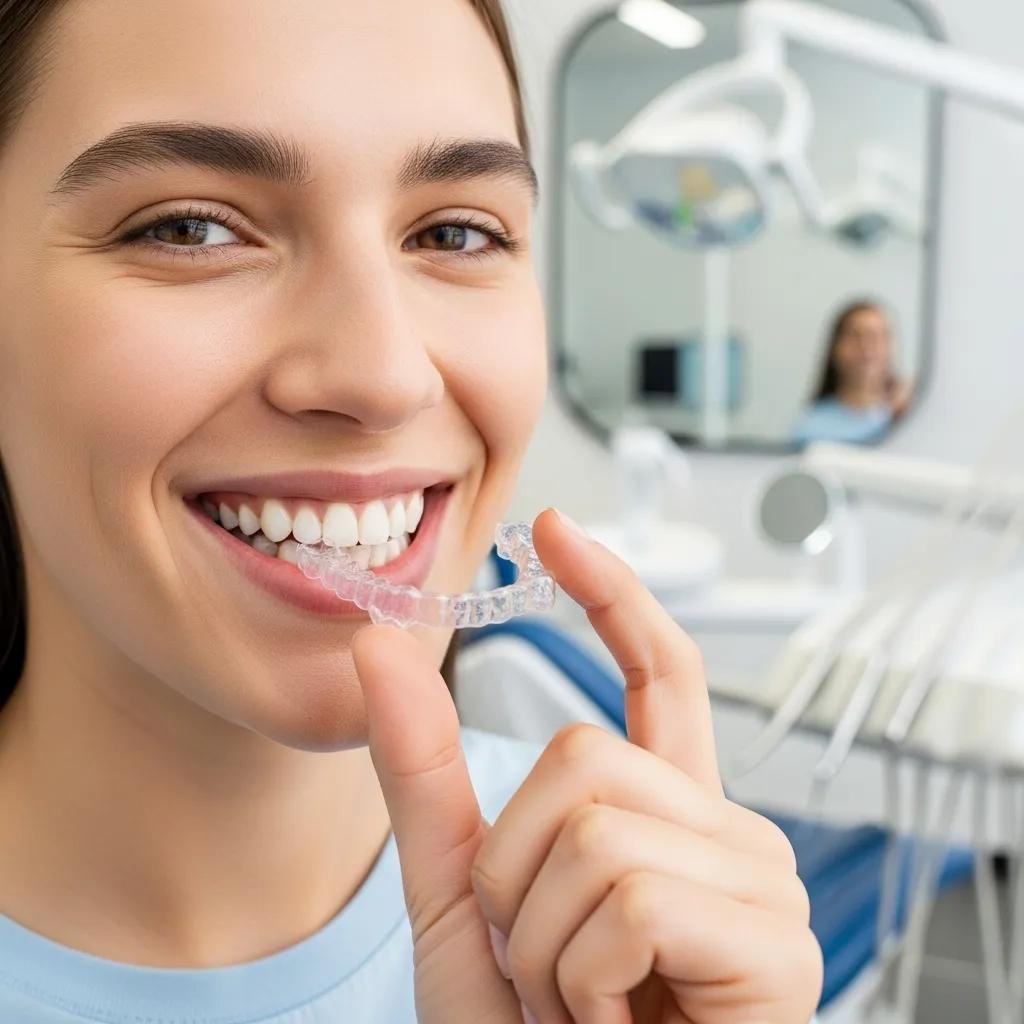
Elevate Your Smile with Invisalign
Invisalign clear aligners are a discreet, comfortable alternative to metal braces. Below we cover core benefits, daily impacts, costs, and why choosing Dr. Rudy Aldaragi in Plano, TX can improve outcomes.
What Are the Key Benefits of Invisalign Clear Aligners?
Invisalign offers adults and teens a less visible way to straighten teeth.
- Discreet Appearance: Nearly invisible aligners let patients straighten teeth without metal brackets and wires.
- Enhanced Comfort: Smooth, medical‑grade plastic reduces gum and cheek irritation common with braces.
- Improved Oral Hygiene: Removability makes brushing and flossing easier, reducing plaque during treatment.
At Rudy Aldaragi DDS, we focus on patient comfort and personalized care.
Research shows Invisalign often leads to better oral health and higher patient satisfaction than fixed appliances.
Invisalign: Better Periodontal Health & Patient Satisfaction
Patients treated with Invisalign® have a better periodontal health and greater satisfaction during orthodontic treatment than patients treated with FOA.
Braces versus Invisalign®: gingival parameters and patients’ satisfaction during treatment: a cross-sectional study, A Azaripour, 2015
How Does Invisalign Provide a Discreet and Comfortable Teeth Straightening Solution?
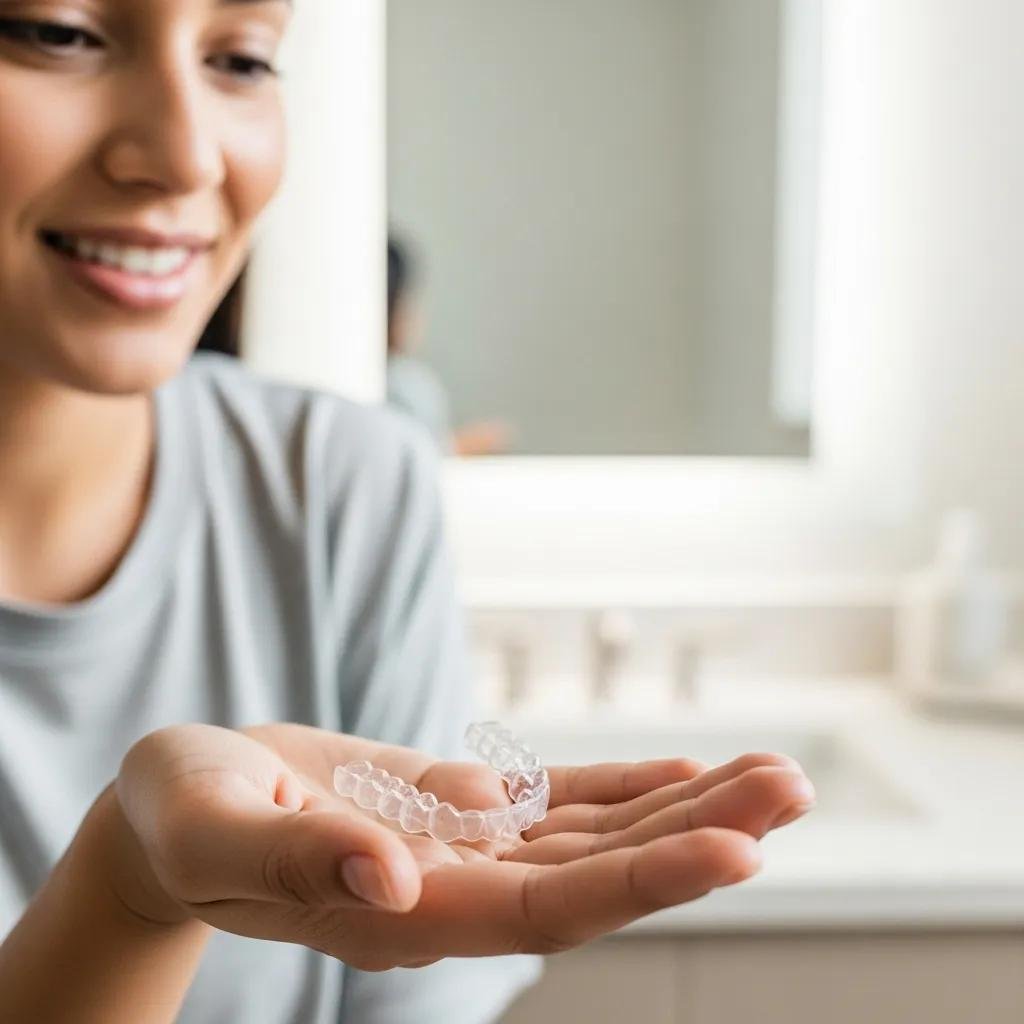
Made from clear thermoplastic, Invisalign aligners fit snugly and are less likely to irritate gums and cheeks. They’re removable, so you can feel confident during daily activities and events.
In What Ways Do Removability and Oral Hygiene Improve with Invisalign?
Removing aligners lets you brush and floss normally, lowering your risk of cavities and gum disease. Clean aligners separately to keep them clear and hygienic throughout treatment.
How Does Invisalign Enhance Lifestyle Compared to Traditional Braces?
Invisalign eases daily life during treatment by reducing diet restrictions and office visits.
- Dietary Freedoms: Remove aligners to eat freely — no special food limitations required.
- Fewer Office Visits: Treatment plans and pre-made aligner sets usually mean fewer in-office adjustments.
What Dietary Freedoms Does Invisalign Offer Over Braces?

Since aligners are removable, you can enjoy popcorn and sticky treats — remove them for meals and clean your teeth before reinserting.
How Does Invisalign Reduce Office Visits and Treatment Time?
Treatment typically takes 12–18 months depending on complexity. You change aligners at home and need fewer office visits than with braces.
What Are the Cost Considerations and Financing Options for Invisalign in Plano, TX?
Costs vary with case complexity, treatment length, and provider. Typical ranges in Plano are shown below; insurance or financing can help offset costs.
- Factors Influencing Cost: Complexity, treatment duration, and the aligner system affect price. Typical local ranges reflect these variables.
- Insurance and Payment Plans: Many PPO plans cover part of orthodontic care. Rudy Aldaragi DDS offers financing to help manage payments.
Which Factors Influence Invisalign Treatment Cost in Plano?
Common cost drivers are case complexity, treatment length, and provider experience. The table shows how each factor typically affects price.
| Factor | Description | Impact on Cost |
|---|---|---|
| Complexity of Case | More complex cases may require additional aligners and longer treatment times. | Higher |
| Length of Treatment | Longer treatment durations typically increase costs. | Higher |
| Provider Experience | Experienced providers may charge more for their expertise. | Higher |
Compare costs with conventional braces when evaluating options.
Invisalign Cost Comparison vs. Traditional Braces
The treatment with the conventional fixed appliance (FA) was R$ 2,214.60, and for the Invisalign System (IS) the treatment cost was R$ 5.934,52, for the treatment of Class I and II of Angle with low crowding. Conclusion: In terms of cost, the Invisalign System is a more expensive.
Cost-minimization analysis of conventional fixed appliances in comparison with Invisalign System, ACS Raimundo, 2024
What Insurance and Payment Plans Are Available for Invisalign Patients?
Many insurance plans cover part of Invisalign treatment. Rudy Aldaragi DDS accepts most PPO plans and offers monthly financing to lower upfront costs.
How Does Invisalign Compare to Traditional Braces in Effectiveness and Patient Experience?
Invisalign treats many orthodontic needs and offers comfort and aesthetic benefits. Some complex cases may be better served by fixed appliances.
- Pros and Cons of Invisalign Versus Traditional Braces: Invisalign is discreet and removable; braces can be more effective for complex or severe bite issues.
- Suitability for Complex Orthodontic Cases: Invisalign treats mild to moderate crowding and spacing well; severe malocclusions may still need braces.
What Are the Pros and Cons of Invisalign Versus Traditional Braces?
Each option has trade-offs; an experienced orthodontist will recommend the best approach for your case.
| Treatment Option | Pros | Cons |
|---|---|---|
| Invisalign | Discreet, removable, comfortable | May not be suitable for complex cases or severe bite issues |
| Traditional Braces | Effective for all cases, no compliance needed | Noticeable, can cause discomfort |
Consult a qualified provider to match treatment to your goals and needs.
Is Invisalign Suitable for Complex Orthodontic Cases?
Many alignment issues respond well to Invisalign, though severe malocclusions may still require braces. A consultation with Dr. Aldaragi will determine the best plan.
Clinical reviews support Invisalign for mild to moderate malocclusions in non-growing patients who don’t require extractions.
Invisalign Effectiveness for Mild to Moderate Malocclusions
However, there was substantial consistency among studies that the Invisalign® system is a viable alternative to conventional orthodontic therapy in the correction of mild to moderate malocclusions in non-growing patients that do not require extraction.
Clinical effectiveness of Invisalign® orthodontic treatment: a systematic review, N Gkantidis, 2018
Why Choose Dr. Rudy Aldaragi and Rudy Aldaragi DDS for Invisalign Treatment in Plano?
An experienced provider increases the chance of smooth, predictable treatment.
- Expertise and Credentials: Dr. Aldaragi maintains professional memberships and continuing education to stay current with orthodontic advances.
- Patient Care Philosophy: The practice emphasizes individualized treatment plans and patient comfort throughout care.
What Expertise and Credentials Does Dr. Rudy Aldaragi Bring to Invisalign Care?
Dr. Aldaragi’s training in cosmetic dentistry and orthodontics supports careful case evaluation and customized Invisalign plans.
How Do Patient Testimonials Reflect Invisalign Success at Rudy Aldaragi DDS?
Patients report improved smiles and greater confidence after Invisalign at Rudy Aldaragi DDS, reflecting both clinical results and quality of care.
Frequently Asked Questions
1. Can I use Invisalign if I have dental work like crowns or bridges?
Yes. Invisalign can work with crowns or bridges; your orthodontist will assess restorations and tailor the plan.
2. How often do I need to change my Invisalign aligners?
You typically change aligners every one to two weeks per your plan. Your orthodontist will provide a schedule. Regular changes are crucial to achieve intended tooth movement.
3. What should I do if my aligners feel tight or uncomfortable?
Feeling tight with a new set is common and usually fades in a few days. If discomfort persists or is severe, contact your orthodontist. They may check the fit or adjust your plan.
4. Are there any specific foods I should avoid while using Invisalign?
Invisalign gives dietary freedom, but avoid sticky or very hard foods that could damage aligners. Always remove aligners before eating or drinking anything but water and clean your teeth before reinserting.
5. How does Invisalign affect speech during treatment?
You may notice a slight lisp when you first wear aligners. It’s usually temporary and clears in a few days. Practicing speaking can help speed the adjustment.
6. Can I wear my aligners while playing sports?
You can wear aligners during sports, but remove them for contact sports. If you use a mouthguard, check with your orthodontist on combining it with aligners.
7. How do I know if Invisalign is the right choice for me?
Schedule a consultation. An experienced orthodontist will assess your dental health, goals, and case complexity to recommend the most effective option.
Conclusion
Invisalign offers a discreet, comfortable, and effective way to straighten many smiles. Partnering with a skilled provider like Dr. Rudy Aldaragi ensures a personalized plan that fits your needs. You can enjoy improved oral hygiene and fewer dietary restrictions during treatment. Contact us to schedule a consultation and see how Invisalign can transform your smile.