
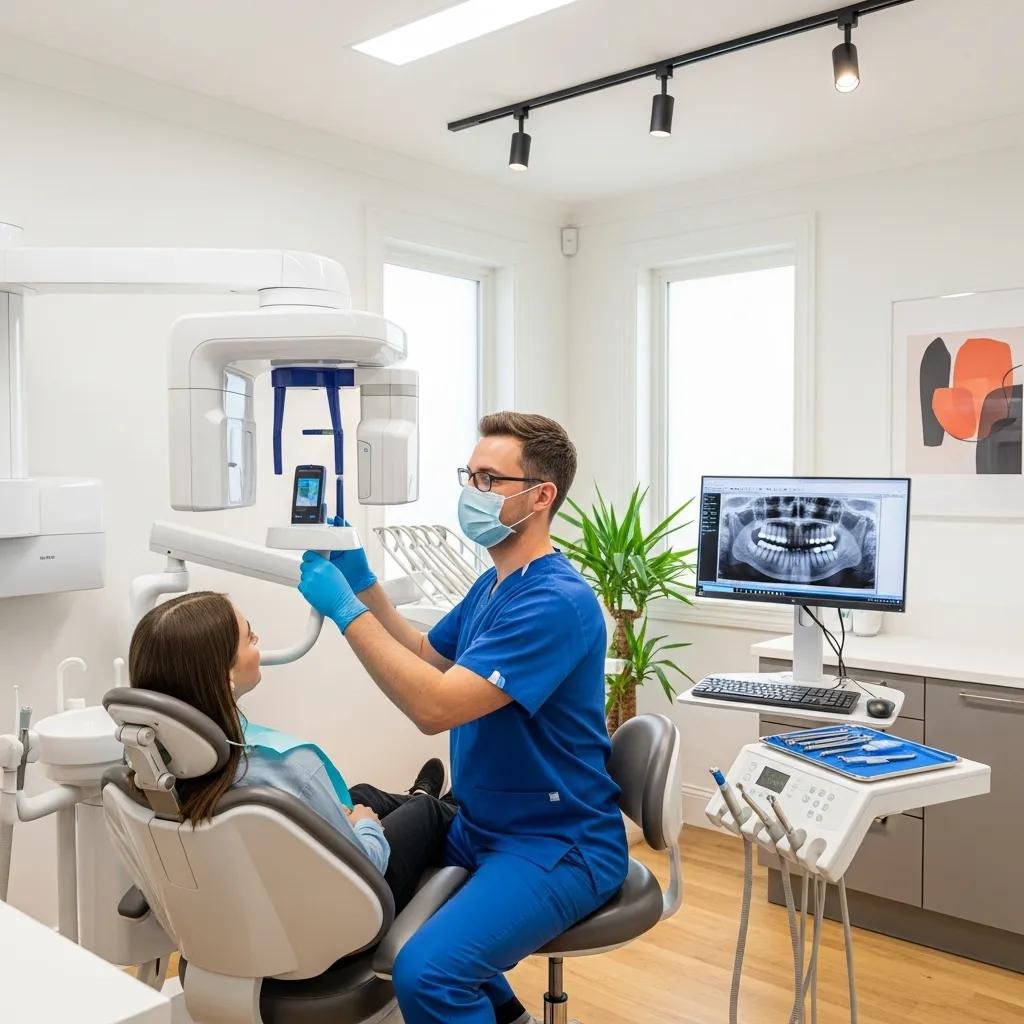
Advanced Digital X-Rays for Safe Dentistry
Digital X-rays and modern dental technology deliver clearer diagnoses with less fuss, improving accuracy while keeping safety and comfort central. This article explains how digital X-rays work, their benefits, and how they pair with other tools to improve care in Plano, including how Rudy Aldaragi DDS uses them.
What Are Digital Dental X-rays and How Do They Improve Diagnosis?
Digital dental X-rays use electronic sensors instead of film to capture detailed images at much lower radiation. They produce high-resolution images instantly, supporting faster, more accurate diagnoses and treatment planning.
How Do Digital X-rays Work Compared to Traditional Film X-rays?
Digital sensors capture images in real time, removing film processing and enabling lower radiation doses—important for children and repeat imaging. Digital files can be enhanced for clarity, aiding precise diagnosis.
What Types of Digital Dental Imaging Are Available in Plano?
Plano practices commonly offer intraoral X-rays for single-tooth detail, panoramic X-rays for a full-mouth view, and CBCT for 3D imaging useful in implant planning and jaw assessment. Digital and 3D diagnostics make imaging faster and more informative.
Recent Advances in Dental Imaging: Digital X-rays & 3D Diagnostics
Dentistry has witnessed tremendous advances in all its branches over the past three decades. With these advances, the need for more precise diagnostic tools, specially imaging methods, have become mandatory. From the simple intra-oral periapical X-rays, advanced imaging techniques like computed tomography, cone beam computed tomography, magnetic resonance imaging and ultrasound have also found place in modern dentistry. Changing from analogue to digital radiography has not only made the process simpler and faster but also made image storage, manipulation (brightness/contrast, image cropping,etc.) and retrieval easier. The three-dimensional imaging has made the complex cranio-facial structures more accessible for examination and early and accurate diagnosis of deep seated lesions.
Digital dental radiography, 2007
What Are the Key Benefits of Modern Dental Technology for Plano Patients?
Modern dental technology yields clearer diagnostics, less discomfort, shorter visits, and safer procedures, letting teams deliver tailored treatments more efficiently.
How Does Low Radiation Dental Imaging Enhance Patient Safety?
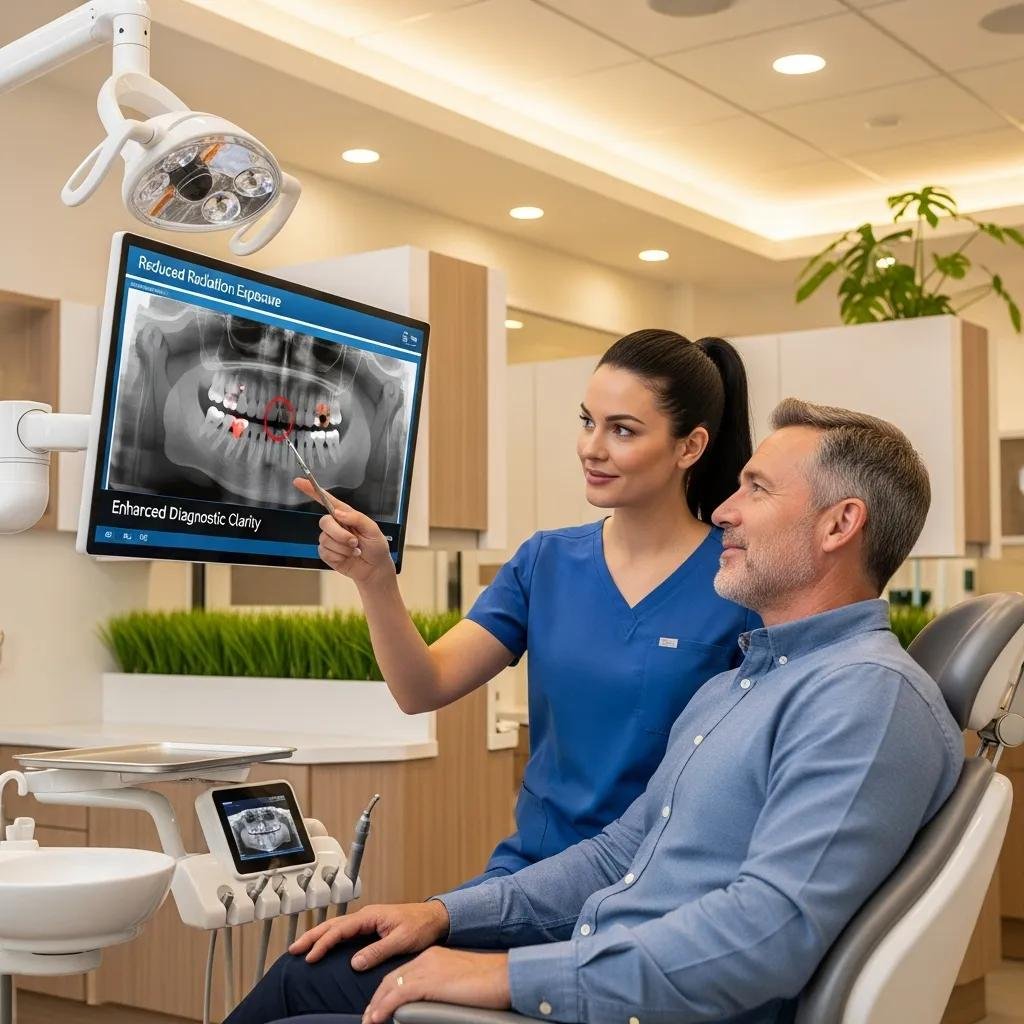
Digital X-rays typically reduce radiation significantly versus film, making them safer for children and those needing frequent imaging. Dental teams also follow strict safety protocols such as lead protection when appropriate.
In What Ways Does Technology Improve Comfort and Treatment Accuracy?
Lasers and digital impressions increase comfort and precision. Lasers can limit anesthesia and speed healing; digital scans replace messy putty with accurate, repeatable impressions.
How Does Rudy Aldaragi DDS Use Advanced Technology for Better Dental Care?
Rudy Aldaragi DDS uses modern equipment to improve diagnosis, streamline care, and keep patients informed and comfortable.
What Role Do Intraoral Cameras Play in Patient Education?
Intraoral cameras show real-time close-up images on a monitor, helping patients see issues and make informed treatment decisions.
How Is 3D Dental Imaging Used for Implant Planning and Complex Diagnoses?
CBCT and 3D scans reveal jawbone and anatomy in detail, enabling precise implant planning and better assessment of complex cases for improved outcomes.
What Modern Technologies Support Specific Dental Treatments at Rudy Aldaragi DDS?
The office uses digital tools that streamline appointments, reduce uncertainty, and enhance the patient experience.
How Do Digital Impressions and CAD/CAM Enable Same-Day Crowns?
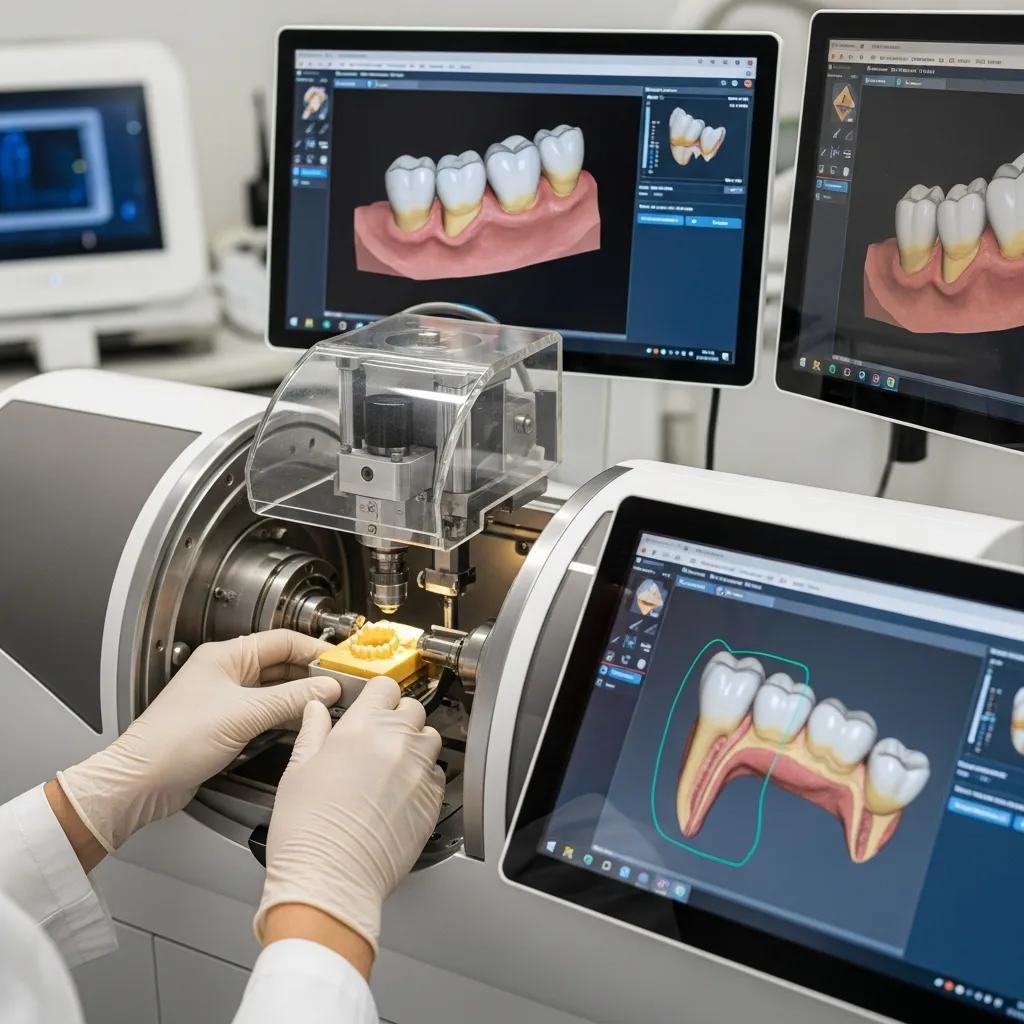
Digital impressions with CAD/CAM let the office design and mill crowns on site, often completing restorations in a single visit. Chairside digital workflows improve comfort and efficiency.
CAD/CAM & Digital Impressions: Enhancing Patient Comfort & Efficiency
Digital imprint and computer-aided design/computer-aided manufacture (CAD/CAM) systems offer several benefits compared to traditional techniques. The use of a CAD/CAM system to scan preparations and generate restorations in-office, removes a second appointment for the patient. The existence of precision benefits in using complete systems and chairside scanning systems, has been proven. CAD/CAM restorations have a good longevity and meet the accepted clinical parameters. New digital impression methods are presently accessible, and before long, the long-awaited goal of sparing patients of one the most unpleasant practices in clinical dentistry, acquiring dental impressions, will be exchanged by intraoral digital scanning.
Digital dentistry—digital impression and CAD/CAM system applications, 2017
What Are the Advantages of Laser Dentistry for Gum and Cavity Treatments?
Lasers target treatment areas precisely to reduce pain and speed recovery, limiting damage to surrounding tissue and improving outcomes for many gum and cavity procedures.
How Safe and Environmentally Friendly Are Digital X-rays and Other Technologies?
Digital X-rays and related tools are designed with safety and sustainability in mind. Replacing film reduces radiation and eliminates chemical processing waste, lowering environmental impact.
What Measures Ensure Minimal Radiation Exposure During Digital Imaging?
Dental teams use proven steps like lead aprons and thyroid collars when appropriate, and the lower doses required by digital sensors further reduce exposure.
How Do Modern Technologies Reduce Environmental Impact Compared to Traditional Methods?
Digital systems remove the need for film chemicals and their disposal, cutting hazardous waste and energy use. Choosing digital imaging helps offices lower their environmental footprint.
How Can Plano Residents Schedule Advanced Dental Technology Services?
Booking tech-led care at Rudy Aldaragi DDS is simple; the practice prioritizes accessibility and patient-centered service so you can benefit from modern advances.
What Should Patients Expect During a Digital X-ray Appointment?
A digital X-ray visit is quick and comfortable: a small sensor is placed in the mouth and a short exposure creates an image the dentist can review immediately. The process typically takes only a few minutes.
How to Contact Rudy Aldaragi DDS for Technology-Enhanced Dental Care?
To schedule or ask about tech-enhanced care, contact Rudy Aldaragi DDS at 2109 W Spring Creek Pkwy Suite 100, Plano, TX 75023 or call (972) 208-2457. The team offers personalized care and can answer questions.
Frequently Asked Questions
What should patients know about the preparation for a digital X-ray appointment?
Tell your dentist about medical conditions, medications, or allergies. Wear comfortable clothing and remove jewelry or dental appliances if asked. The process is quick and straightforward.
How do digital X-rays contribute to early detection of dental issues?
Digital X-rays produce high-resolution images that let dentists detect cavities, bone loss, and other issues earlier. Image enhancement tools can reveal problems not visible on an exam, improving treatment outcomes.
Can digital X-rays be used for children, and what precautions are taken?
Yes. Digital X-rays use less radiation and are suitable for children. Dental teams add protections like lead aprons and thyroid collars and limit exposures to what is necessary.
What is the environmental impact of switching to digital dental imaging?
Switching to digital eliminates film and chemical processing, reducing hazardous waste and energy use. This makes dental practices more sustainable while maintaining image quality.
How do patients benefit from the integration of digital technology in their treatment plans?
Digital technology improves diagnosis and treatment planning, enabling more personalized care. CAD/CAM and digital impressions shorten timelines and may reduce visits by allowing same-day restorations.
What should patients do if they have concerns about the safety of digital X-rays?
If you have safety concerns, talk with your dentist. They can explain how low the radiation levels are with digital imaging and the safety protocols used to protect patients.
Are there any specific aftercare instructions following a digital X-ray?
There are generally no aftercare instructions after a digital X-ray because it is non-invasive. You can resume normal activities immediately unless other treatments were performed; then follow your dentist’s guidance.
Conclusion
Advanced digital X-rays and modern dental technologies improve safety, comfort, and diagnostic precision. Choosing Rudy Aldaragi DDS lets you experience these tools firsthand. Schedule an appointment to see how technology can improve your dental care.