

Plano's Premier Gum Care Solutions
Gum disease is common and can cause serious problems if untreated. This guide outlines stages and symptoms, non-surgical and surgical treatments, and long-term care to protect your gums. It also explains why Rudy Aldaragi DDS in Plano, TX may be a good choice for periodontal care.
What Are the Stages and Symptoms of Gum Disease?
Gum disease progresses through stages. Early detection makes treatment more effective and helps prevent complications. Gingivitis may advance to periodontitis and, if untreated, tooth loss.
What Is Gingivitis and How Can It Be Identified?
Gingivitis is early gum inflammation. You may notice redness, swelling, or bleeding when brushing or flossing. With good home care and professional treatment it is often reversible. Regular check-ups help catch it early.
What Are the Signs of Advanced Periodontitis?
Advanced periodontitis damages the tissues that support your teeth. Signs include persistent bad breath, gum recession, and loose teeth. If untreated, it can lead to tooth loss and systemic issues. Early recognition lets you get timely care.
Which Gum Disease Treatment Options Are Available in Plano TX?
Treatment ranges from non-surgical to surgical procedures. All approaches aim to restore gum health and stop further damage.
How Does Scaling and Root Planing Help Restore Gum Health?
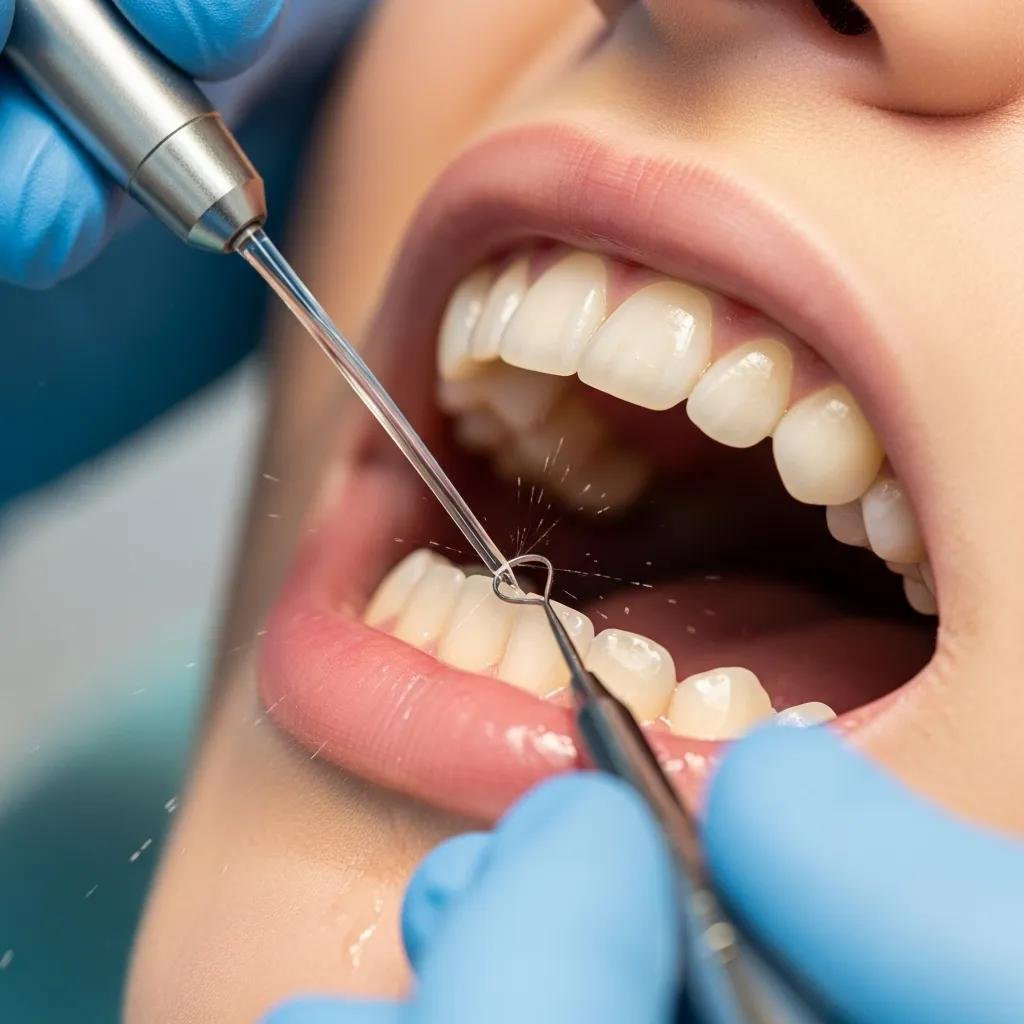
Scaling and root planing is a non-surgical deep cleaning that removes plaque and tartar below the gum line. This reduces inflammation and allows tissues to heal. Many patients notice improved gum health and symptom relief after this foundational treatment.
Scaling & Root Planing: Gold Standard for Periodontitis
The traditional treatment modality of scaling and root planing (SRP) remains the “gold standard” for the non-surgical management of chronic periodontitis.
Microbes, inflammation, scaling and root planing, and the periodontal condition, 2008
What Are the Benefits of Laser Gum Therapy for Periodontal Care?
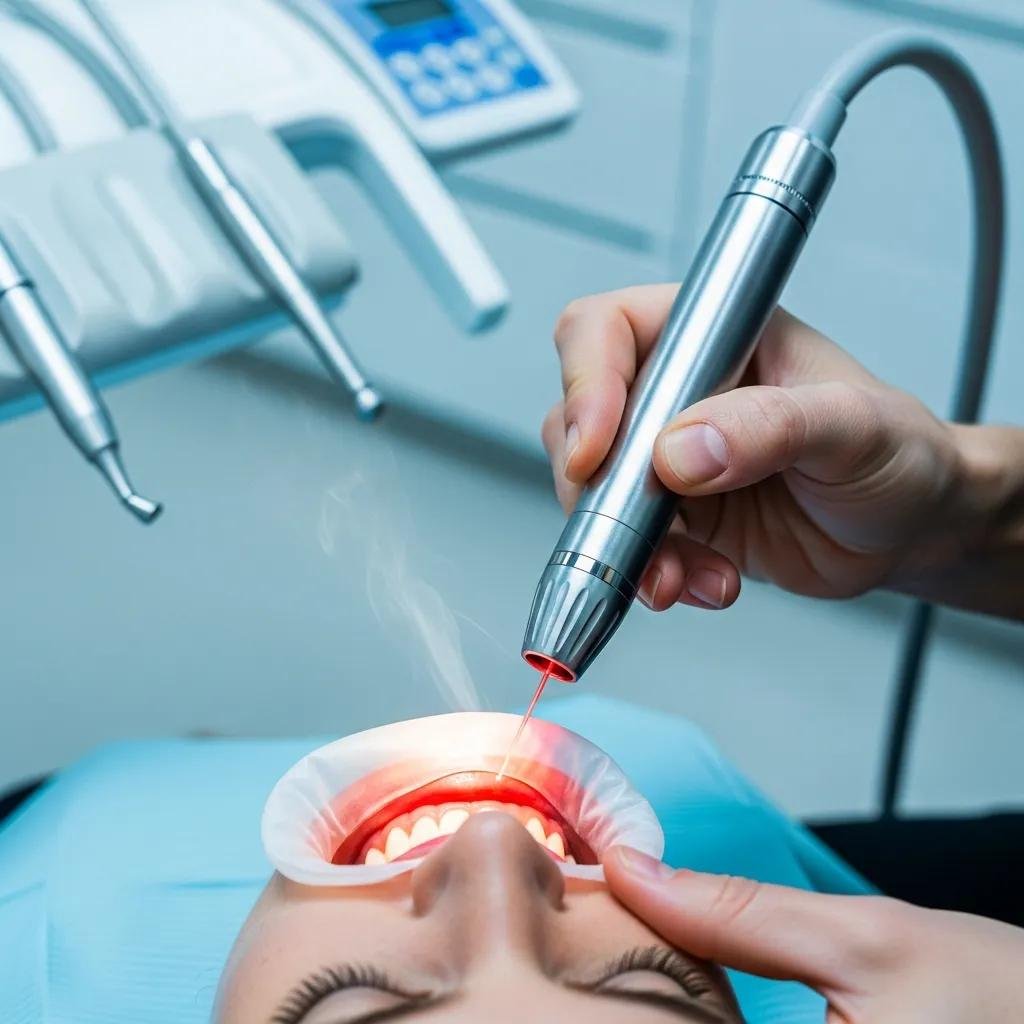
Laser gum therapy uses focused light to remove infected tissue and bacteria. It is minimally invasive and often causes less discomfort and bleeding, which can speed healing and encourage tissue regeneration.
When Is Surgical Periodontal Treatment Recommended?
Surgery is recommended when non-surgical care cannot restore gum health or when damage is extensive. Surgical procedures aim to repair and regenerate the supporting structures.
What Is Gum Grafting and How Does It Repair Receding Gums?
Gum grafting transfers tissue to areas of recession to restore the gum line and protect exposed roots. It also improves appearance and helps prevent further root exposure.
Free Gingival Grafts for Gum Recession & Mucogingival Therapy
The insufficient or absent attached gingiva increases the risk of development of gingival recessions. The treatment of the mucogingival problems is one of the main objectives of the periodontal therapy. Mucogingival therapy is a broader term describing non-surgical and surgical treatment procedures for the correction of defects in morphology, position, and/or amount of soft tissue and underlying bone. Though there are many surgical techniques advocated for augmentation of width of attached gingiva, the free gingival autograft is a reliable mucogingival surgical procedure for increasing the zone of attached gingiva at the buccal or lingual aspect of a single tooth, or groups of teeth, or for covering areas of gingival recession.
The use of free gingival grafts for aesthetic purposes., 2000
How Does Bone Regeneration Support Advanced Gum Disease Treatment?
Bone regeneration uses graft materials to stimulate new bone growth. This restores oral structure and helps stabilize teeth—important in advanced cases.
How Can Patients Maintain Long-Term Gum Health After Treatment?
Long-term gum health requires solid home care and regular dental visits to prevent recurrence.
What Are Effective Periodontal Maintenance Practices?
Maintenance includes regular check-ups and professional cleanings, plus daily brushing, flossing, and using an antimicrobial mouthwash when needed to reduce plaque.
How Does Oral Hygiene Prevent Gum Disease Recurrence?
Brushing and flossing daily remove plaque and food that irritate gums. Watch for warning signs and seek prompt care to lower the chance of recurrence.
Why Choose Rudy Aldaragi DDS for Periodontal Therapy in Plano TX?
Rudy Aldaragi DDS provides comprehensive periodontal care, combining clinical experience with modern technology to treat gum disease.
What Advanced Technologies Does Rudy Aldaragi DDS Use for Gum Disease Treatment?
The practice uses tools like laser therapy and digital imaging to improve precision, reduce invasiveness, and speed recovery.
How Does the Experienced Team Enhance Patient Care and Comfort?
The team focuses on comfort and patient education so you feel informed and at ease. That support helps long-term oral health.
What Are Common Questions About Gum Disease Treatment?
Patients often ask how effective treatments are and what to expect. Clear answers help you make informed decisions.
Can Gum Disease Be Cured and How Effective Are Treatments?
Gum disease can be managed but is not always cured. Treatments reduce symptoms and restore gum health, but ongoing maintenance is required. Success depends on severity and your oral hygiene.
Research highlights the importance of consistent periodontal maintenance to prevent recurrence.
Periodontal Maintenance Therapy: Preventing Periodontitis Recurrence
Prospective studies that investigated the influence of surgical and nonsurgical procedures in the recurrence of periodontitis and tooth loss in periodontal maintenance therapy (PMT) programs have not been previously reported. The objective of this study was to evaluate longitudinally the recurrence of periodontitis in regular compliers (RC) and irregular compliers (IC) individuals undergoing surgical and non-surgical procedures over 5 years in a program of PMT.
Surgical and non-surgical procedures associated with recurrence of periodontitis in periodontal maintenance therapy: 5-year prospective study, FO Costa, 2015
What Should Patients Expect During and After Periodontal Therapy?
Expect a thorough evaluation and a personalized treatment plan. Some short-term discomfort is normal. Follow aftercare instructions for the best recovery.
| Treatment Option | Description | Benefits |
|---|---|---|
| Scaling and Root Planing | Deep cleaning of teeth and gums | Reduces inflammation, promotes healing |
| Laser Gum Therapy | Minimally invasive treatment using lasers | Less discomfort, faster healing |
| Gum Grafting | Surgical procedure to restore receding gums | Protects tooth roots, improves aesthetics |
| Bone Regeneration | Grafting materials to stimulate bone growth | Restores bone structure, stabilizes teeth |
Frequently Asked Questions
What are the early warning signs of gum disease?
Early signs include swollen or red gums, bleeding when you brush or floss, and persistent bad breath. If you notice any of these symptoms, see a dental professional promptly. Early care can prevent progression to periodontitis, which may lead to tooth loss and other health issues.
How does diet impact gum health?
A balanced diet rich in vitamins and minerals, especially vitamin C, supports healthy gums. Sugary foods promote plaque buildup and increase risk. Eat fruits, vegetables, whole grains, and lean proteins, and stay hydrated to help saliva wash away food particles.
What is the role of professional cleanings in gum disease treatment?
Professional cleanings are essential in treating and preventing gum disease. Hygienists remove plaque and tartar that brushing and flossing miss. This deep cleaning reduces inflammation and bacteria. Regular visits, typically every six months, help maintain gum health and prevent recurrence.
Are there any risks associated with untreated gum disease?
Untreated gum disease can cause serious problems: tooth loss, bone loss, and links to systemic conditions like heart disease and diabetes. Bacteria can enter the bloodstream and affect other organs. Address gum disease early to avoid these risks.
What should I expect during a periodontal evaluation?
During a periodontal evaluation your dentist will check your gums and the supporting structures of your teeth. They will measure pocket depths, check for recession and inflammation, and may take X-rays to assess bone. Based on findings, a personalized treatment plan will be developed.
How can I improve my oral hygiene routine to support gum health?
Brush at least twice a day with fluoride toothpaste and floss daily to remove plaque between teeth. Consider an antimicrobial mouthwash to reduce bacteria. Replace your toothbrush every three to four months and after illness. Keep regular dental check-ups to ensure your routine is effective and to catch issues early.
Conclusion
Recognizing and treating gum disease is essential to protect your oral health and avoid serious complications. Treatments such as scaling and root planing, laser therapy, and gum grafting can restore gum health and improve quality of life. Maintaining results requires regular dental visits and diligent home care. Take the first step toward healthier gums by scheduling an appointment with Rudy Aldaragi DDS today.