
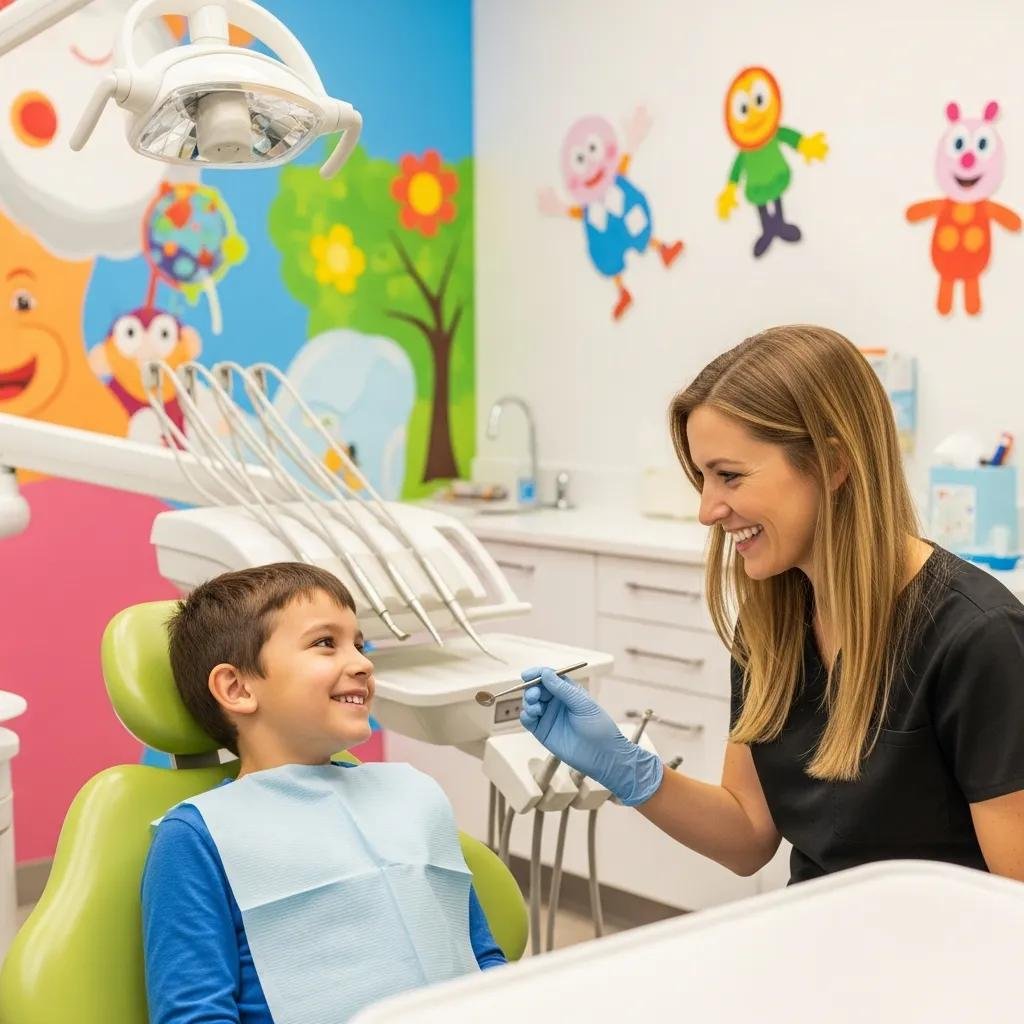
Expert Pediatric Dentistry in Plano
Choosing the right dentist for your child shapes long-term oral health. Pediatric dentists specialise in children’s needs and provide care in a calm, child-centred setting that emphasises prevention and positive visits. Families in Downtown Plano can access age-appropriate services for early intervention and routine care. This article explains why pediatric care matters, what services are available, and how to prepare for appointments.
Why Choose a Pediatric Dentist in Downtown Plano for Your Child's Dental Health?
Pediatric dentists are trained to treat children, reduce anxiety and build preventive habits. They identify developmental issues early and adapt care as your child grows to protect teeth and gums.
What Makes Rudy Aldaragi DDS the Trusted Kids Dentist in Plano?
Rudy Aldaragi DDS is an experienced pediatric dentist in Plano with a patient-focused approach. A member of the American Academy of Pediatric Dentistry and the Texas Dental Association, Dr. Aldaragi uses child-centred communication and care techniques to make visits safe and positive for families.
How Does Specialized Pediatric Dentistry Benefit Children’s Oral Health?
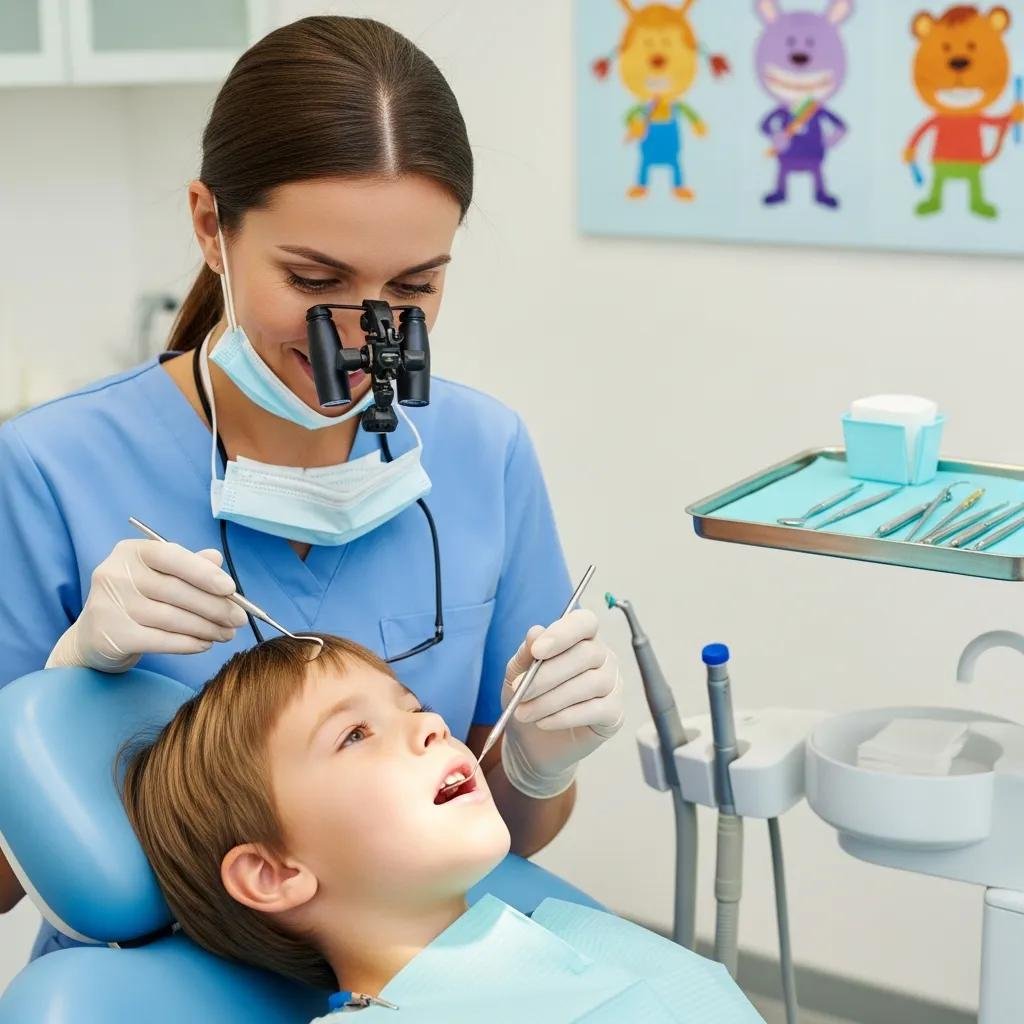
Specialised pediatric dentistry focuses on early detection and prevention. Dentists set age-appropriate plans to address concerns and support long-term oral health, helping children form healthy habits and strong smiles.
What Comprehensive Kids Dental Services Are Offered in Downtown Plano?
Downtown Plano offers routine exams, cleanings, preventive treatments and restorative care. Regular visits let dentists monitor growth and treat problems early to avoid more complex procedures.
| Service | Description | Benefits |
|---|---|---|
| Routine Checkups | Regular examinations to assess oral health | Early detection of issues, preventive care |
| Preventive Treatments | Services like fluoride treatments and dental sealants | Protection against cavities and decay |
| Restorative Procedures | Treatments for cavities and other dental issues | Restores function and health of teeth |
Together, these services guide children through dental development with targeted prevention and care.
How Are First Dental Visits for Infants and Toddlers Conducted?
First visits are gentle and educational—typically by the first birthday or within six months of the first tooth. The dentist performs a brief exam, reviews home care and offers practical guidance on teething and nutrition. Bring questions so you leave with clear next steps.
Research shows early dental visits improve long-term oral health.
Importance of Early Preventive Dental Visits for Children
The aim of this comprehensive review was to critically review and summarize available evidence regarding the effectiveness of EPDVs in improving children’s oral health outcomes.
The importance of preventive dental visits from a young age: systematic review and current perspectives, V Bhaskar, 2014
What Preventive Treatments Like Fluoride and Sealants Protect Children’s Teeth?
Fluoride strengthens enamel and helps resist decay, while sealants protect molar chewing surfaces from cavities. Both are simple, effective measures that lower the risk of future dental problems.
How Does Routine Pediatric Dental Care Support Children’s Healthy Smiles?
Routine care—exams, cleanings and guidance—helps dentists monitor growth and provide timely prevention. Emphasising prevention early builds a strong foundation for lifelong oral health and reduces the need for extensive treatment later.
Pediatric Dental Prevention: Early Care & Caries Management
Recent increases in caries prevalence in young children throughout the world highlight the need for a simple but effective infant oral care programme. This programme needs to include a medical disease prevention management model with an early establishment of a dental home and a treatment approach based on individual patient risk. It promotes prevention rather than intervention, and this may be the best way to achieve long-lasting oral health for young patients. General dental practice can adopt easy protocols that will promote early preventive visits and anticipatory guidance/counselling rather than waiting for the need for restorative treatment.
Minimal intervention dentistry: part 3. Paediatric dental care–prevention and management protocols using caries risk assessment for infants and young children, FJ Ramos-Gomez, 2012
What Happens During Children’s Dental Checkups and Cleanings?
At checkups the dentist examines teeth and gums, looks for cavities or bite concerns, and removes plaque and tartar. Parents and children receive practical home-care tips to keep mouths healthy between visits.
How Are Cavity Treatments and Restorative Procedures Managed for Kids?
Restorative care prioritises comfort. Pediatric dentists use child-friendly techniques and materials—fillings, crowns and other treatments—tailored to each child to preserve function and reduce stress.
How Is Dental Anxiety Managed for Children at Our Downtown Plano Clinic?
The clinic provides a calm, reassuring environment. Staff are trained in child communication and behaviour techniques to make visits less stressful for children and parents.
What Techniques Help Create a Positive Dental Experience for Kids?
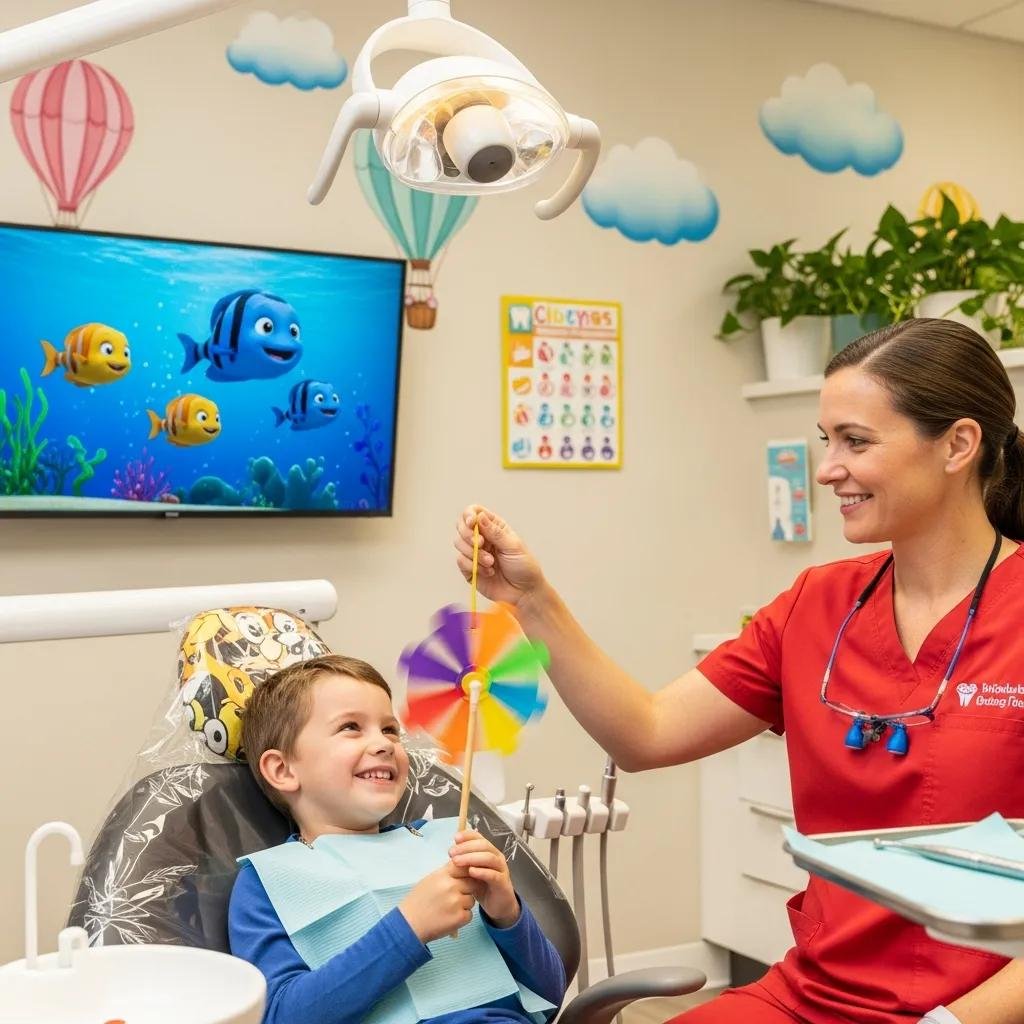
We use simple language, distraction and a child-friendly room to ease fear. Visual aids and comfort items help children know what to expect and feel more relaxed during appointments.
Studies suggest distraction techniques can reduce children’s anxiety during dental care.
Managing Kids’ Dental Anxiety with Distraction Techniques
The studies included in this systematic review suggest that distraction techniques might be useful to control children’s anxiety and fear during dental appointments, however, the certainty of evidence is very low. There are no contraindications for the use of distraction techniques during children’s and adolescents’ dental appointments.
Anxiety and fear management in paediatric dentistry using distraction techniques, M Robertson, 2019
Are Sedation Dentistry Options Available for Anxious Pediatric Patients?
Yes. For children with strong anxiety or complex needs, sedation can make procedures safe and comfortable. The dentist will recommend the safest option based on the child’s health and the required treatment.
When Should Children Receive Orthodontic Evaluations and Adolescent Dental Care?
Orthodontic evaluations are recommended around age seven to assess jaw and tooth development. Early assessment helps identify problems that respond better to timely intervention.
What Are the Signs That Indicate the Need for Early Orthodontic Assessment?
Signs include difficulty chewing, crowding, large gaps or prolonged thumb-sucking and pacifier use. If you notice these, ask your dentist about an early orthodontic check.
How Does Adolescent Dental Care Differentiate from Younger Children’s Treatments?
Adolescent care shifts toward orthodontics and managing the transition to adult teeth, including monitoring wisdom teeth and alignment. Regular checkups remain important as needs change.
How Can Parents Schedule and Prepare for Their Child’s Dental Appointment in Downtown Plano?
Booking is simple: call the office or use the practice website. Have insurance and medical history details ready for the appointment to speed check-in.
What Are the Steps to Book an Appointment with Rudy Aldaragi DDS?
Call the office or book online through the practice website, and have your child’s insurance details and any relevant medical history available when booking.
What Tips Help Prepare Children for Their Dental Visits?
Talk about the visit positively, role-play at home and bring a favourite toy or comfort item. Simple preparation reduces anxiety and helps visits go smoothly.
Frequently Asked Questions
What Should I Do If My Child Is Afraid of the Dentist?
Address their concerns calmly and use positive language. Role-play the visit at home and let the dentist use child-friendly techniques and distraction methods during the appointment.
How Can I Maintain My Child's Oral Health Between Dental Visits?
Encourage regular brushing with fluoride toothpaste and daily flossing, limit sugary snacks and drinks, and promote a balanced diet rich in fruit and vegetables. Contact your pediatric dentist about any concerns.
What Are the Common Dental Issues in Children?
Common issues include cavities, misalignment and gum problems. Early detection prevents more complex issues and supports overall health and development.
How Do Pediatric Dentists Handle Special Needs Children?
Pediatric dentists tailor communication and the pace of care for children with special needs and create a calm environment. Discuss specific requirements with the dental team beforehand.
What Should I Look for in a Pediatric Dentist?
Look for qualifications, experience and a child-focused approach. Membership in professional organisations, a child-friendly environment and positive parent feedback are useful indicators.
Are Dental X-rays Safe for Children?
Yes. Performed by qualified professionals, dental X-rays use lead aprons and digital technology to minimise exposure and help detect issues not visible in a routine exam.
What Is the Role of Nutrition in My Child's Dental Health?
A balanced diet with vitamins and minerals supports strong teeth and gums. Calcium-rich and vitamin C foods are helpful, and limiting sugary snacks and drinks reduces cavity risk.
Conclusion
Choosing a pediatric dentist in Downtown Plano gives your child specialised, preventive care tailored to their needs. With welcoming staff and routine treatments, families can build healthy dental habits and protect their children’s smiles. Schedule an appointment with Rudy Aldaragi DDS to start your child’s path to lasting oral health.