
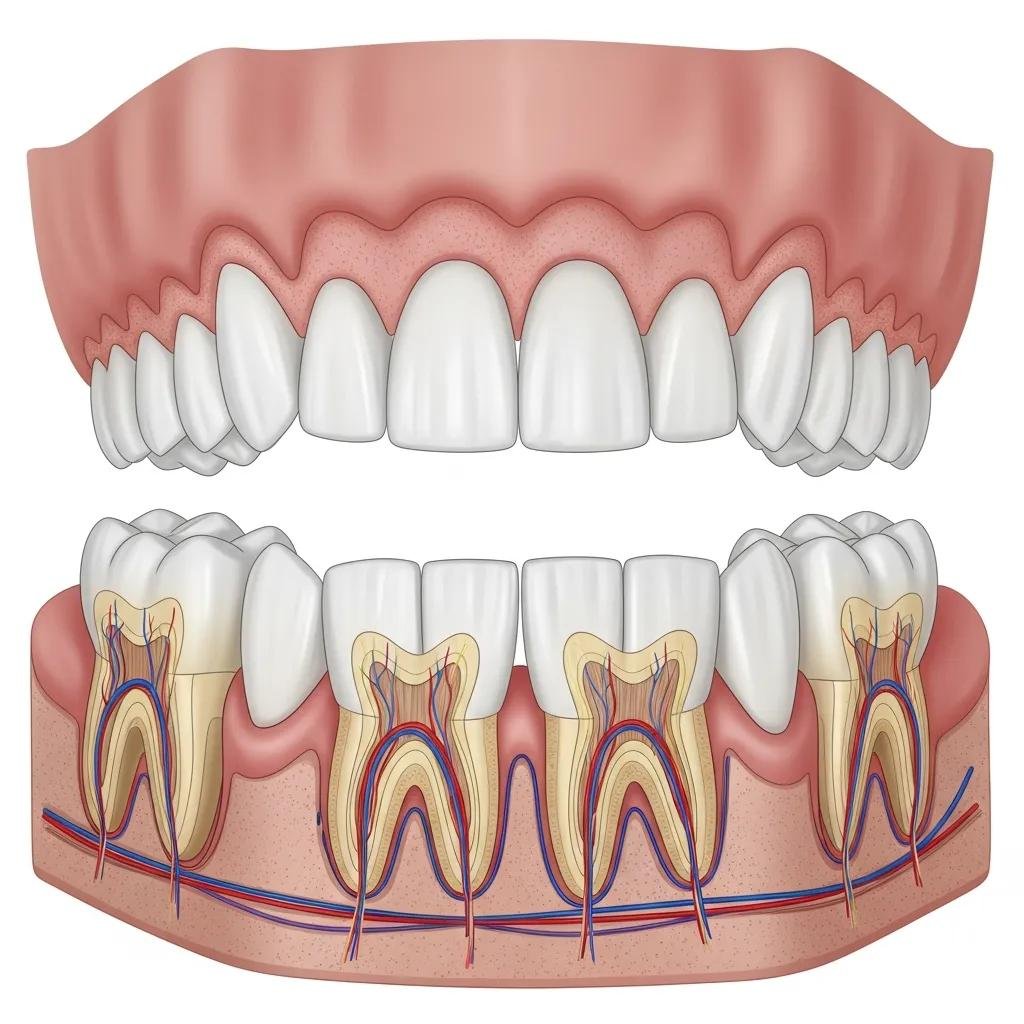
Interactive Visual Guide to Dental Anatomy: Understanding Tooth Structure and Oral Health
Dental anatomy is a crucial aspect of oral health that encompasses the structure and function of teeth and their surrounding tissues. Understanding dental anatomy helps individuals appreciate the complexity of their oral health and the importance of maintaining it. This guide will provide an interactive visual overview of dental anatomy, focusing on tooth structure and its relevance to overall oral health. Many people face challenges related to dental issues, such as cavities and gum disease, which can be mitigated through a better understanding of dental anatomy. In this article, we will explore the main parts of a tooth, the different types of teeth and their functions, the structure of the oral cavity, the relationship between dental anatomy and common dental conditions, and how this knowledge enhances dental treatments.
For those seeking a foundational understanding of dental structures and related conditions, a comprehensive reference like Woelfel’s Dental Anatomy is often recommended.
Woelfel’s Dental Anatomy: A Core Reference
This textbook is cited in the American Society of Forensic Odontology Manual as the prime dental anatomy reference. It also discusses dental conditions.
Woelfel’s dental anatomy, 2012
What Are the Main Parts of a Tooth?
A tooth is a complex structure composed of several key parts, each playing a vital role in its function. The main parts of a tooth include the crown, neck (also called the cervical area), and root, which together form the overall structure. Understanding these components is essential for recognizing how teeth function and how to care for them effectively.
How Do the Crown, Neck, and Root Form the Tooth's Structure?
The crown is the visible part of the tooth above the gum line, primarily responsible for chewing and grinding food. The neck is the narrow area between the crown and the root, serving as a transition zone. The root anchors the tooth into the jawbone, providing stability and support. Together, these parts create a functional unit that allows for effective mastication and contributes to overall oral health.
What Roles Do Enamel, Dentin, Pulp, and Cementum Play Inside a Tooth?
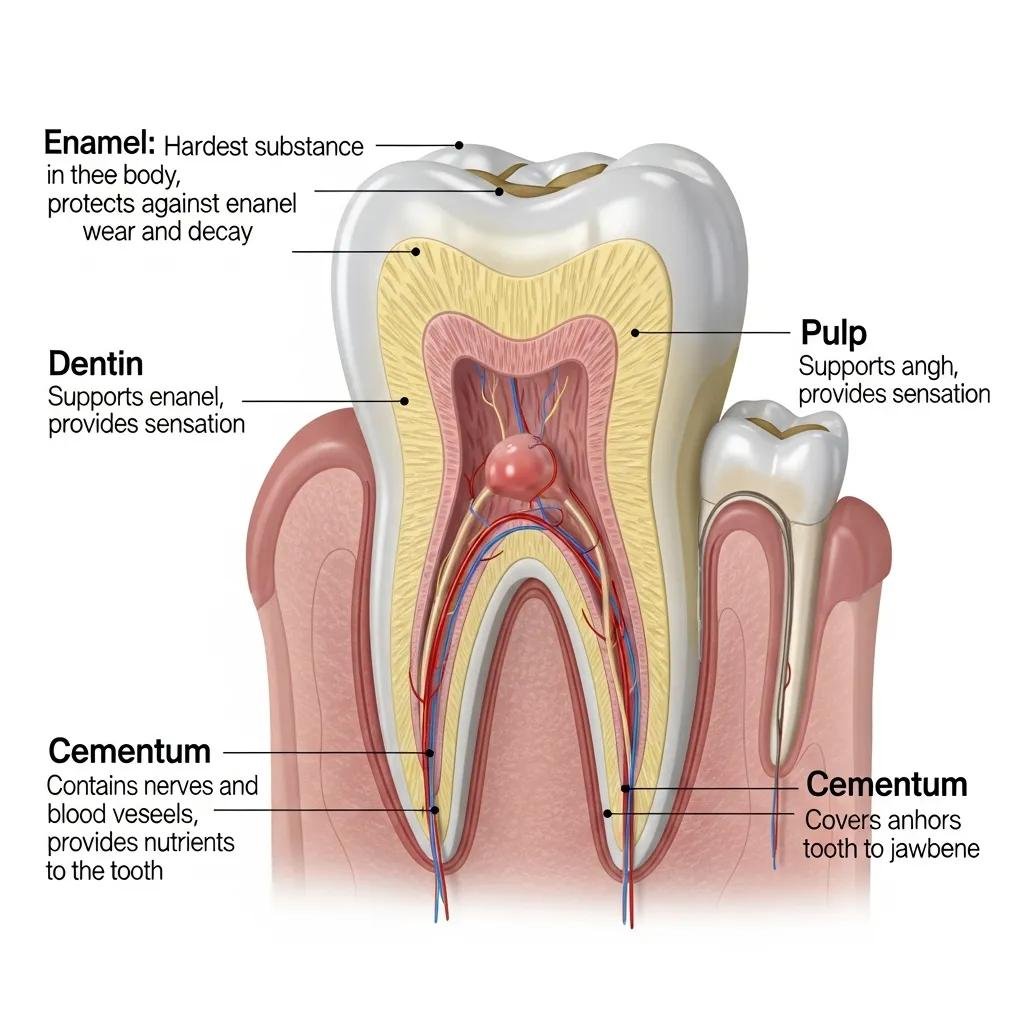
Inside a tooth, several components work together to maintain its health and function. Enamel is the hard, outer layer that protects the tooth from decay and damage. Beneath the enamel lies dentin, a softer tissue that supports the enamel and contains microscopic tubules but does not contain nerve endings; the nerves are located in the pulp. The pulp is the innermost part of the tooth, housing nerves and blood vessels that nourish the tooth. Cementum covers the root and helps anchor the tooth to the jawbone via the periodontal ligament. Each of these components plays a critical role in maintaining dental health and preventing issues such as cavities and infections.
What Are the Different Types of Teeth and Their Functions?
Teeth are categorized into different types, each serving specific functions in the process of chewing and digestion. Understanding the various types of teeth is essential for recognizing their roles in oral health.
How Do Incisors, Canines, Premolars, and Molars Differ in Purpose?
Incisors are the front teeth, designed for cutting food. Canines, located next to the incisors, are pointed and used for tearing food. Premolars, situated behind the canines, have a flat surface for crushing and grinding food. Molars, the largest teeth at the back of the mouth, are also designed for grinding and chewing. Each type of tooth contributes to the overall efficiency of the digestive process.
What Is the Difference Between Primary and Permanent Teeth?
Primary teeth, also known as baby teeth or deciduous teeth, are the first set of teeth that develop in children. They typically begin to emerge around six months of age and are eventually replaced by permanent teeth, which usually start to appear around age six. Primary teeth are smaller and fewer in number (20 total), while permanent teeth are larger and more durable, designed to last a lifetime (usually 32 total, including wisdom teeth). Understanding the transition from primary to permanent teeth is crucial for maintaining oral health throughout different life stages.
How Is the Oral Cavity Structured Beyond the Teeth?
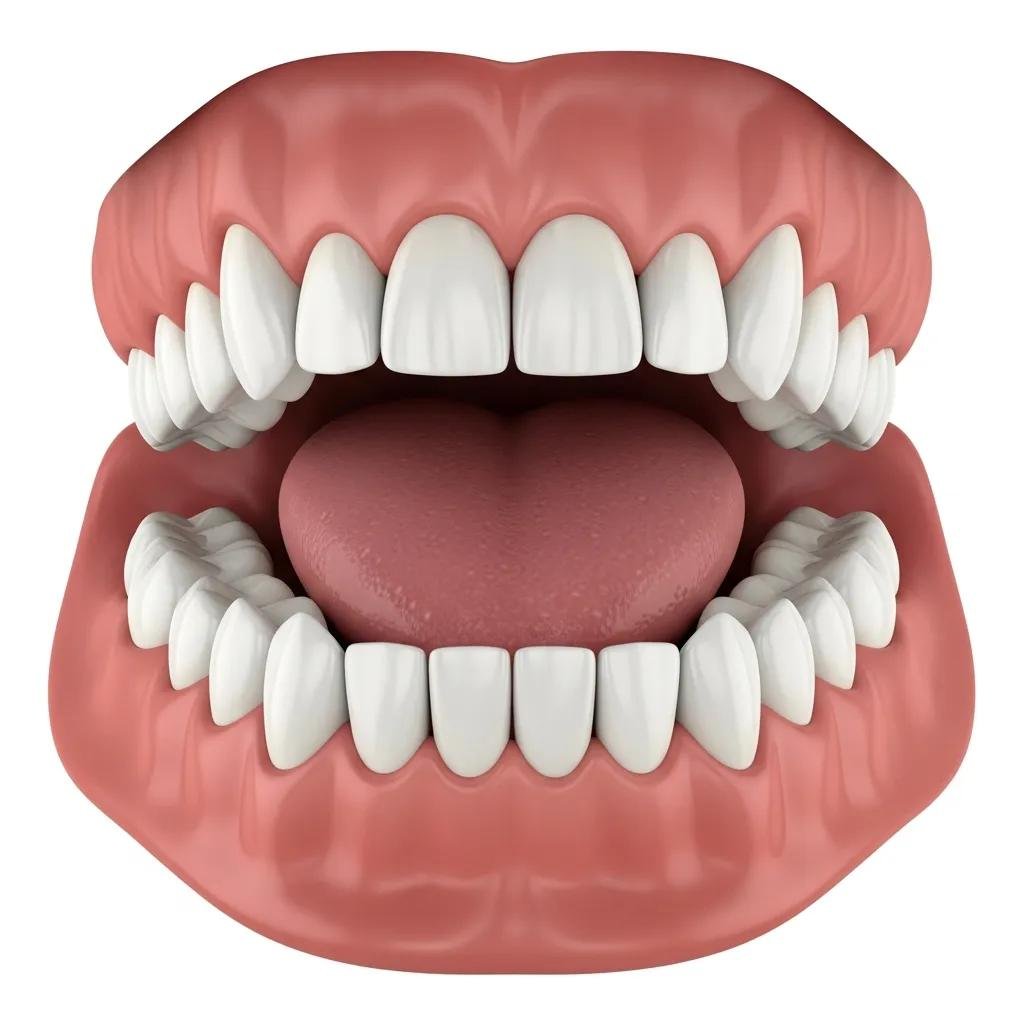
The oral cavity is a complex structure that includes not only the teeth but also various other components that contribute to overall oral health. Understanding the structure of the oral cavity is essential for recognizing its role in digestion and communication.
What Are the Functions of Gums, Tongue, Palate, and Cheeks?
Gums, or gingiva, surround and support the teeth, providing a protective barrier against bacteria. The tongue is a muscular organ that aids in tasting, swallowing, and speaking. The palate forms the roof of the mouth, separating the oral cavity from the nasal cavity, while the cheeks help in the manipulation of food during chewing. Each of these structures plays a vital role in the overall function of the oral cavity.
How Do Salivary Glands Support Oral Health?
Salivary glands produce saliva, which is essential for digestion and oral health. Saliva helps to break down food, neutralizes acids produced by bacteria, and provides lubrication for swallowing. Additionally, saliva contains enzymes and antibodies that help protect against infections and maintain a healthy oral environment. Understanding the role of salivary glands highlights their importance in preventing dental issues.
How Does Dental Anatomy Relate to Common Dental Conditions?
A solid understanding of dental anatomy is crucial for recognizing and addressing common dental conditions. Many dental issues arise from a lack of knowledge about how teeth and gums function.
The critical role of dental anatomy in understanding and treating oral health issues is further emphasized by the fact that even medical professionals often lack sufficient training in this area.
Understanding Dental Anatomy & Pathology
Dental anatomy and pathology are poorly understood by physicians and are not routinely taught in medical school. This article reviews normal dental anatomy and heightens awareness about dental pathology. Odontogenic diseases and diseases of the jaw are common and can have serious consequences.
Dental anatomy and pathology encountered on routine CT of the head and neck, 2013
What Causes Cavities and How Does Enamel Protect Teeth?
Cavities are primarily caused by the buildup of plaque, a sticky film of bacteria that forms on teeth. When sugars from food are consumed, bacteria produce acids that can erode enamel, leading to decay. Enamel acts as a protective barrier, shielding the underlying dentin and pulp from harmful bacteria. Maintaining good oral hygiene practices, such as regular brushing and flossing, is essential for preserving enamel and preventing cavities.
How Do Gum Disease and Root Canal Issues Affect Oral Structures?
Gum disease, or periodontal disease, occurs when bacteria infect the gums, leading to inflammation and potential tooth loss. Root canal issues arise when the pulp becomes infected or inflamed, necessitating treatment to save the tooth. Both conditions highlight the importance of dental anatomy, as they can significantly impact the health of surrounding structures. Understanding these relationships can aid in prevention and treatment strategies.
How Does Understanding Dental Anatomy Enhance Dental Treatments?
Knowledge of dental anatomy is vital for improving treatment outcomes in various dental procedures. Understanding the structure and function of teeth allows dental professionals to provide more effective care.
What Is the Role of Jawbone and Tooth Anatomy in Dental Implants?
The role of jawbone and tooth anatomy in dental implants is crucial as dental implants are surgically placed into the jawbone to replace missing teeth. The jawbone provides a stable foundation for the implants, which are designed to mimic the function and appearance of natural teeth. Proper jawbone structure is necessary for successful implant placement, as it supports the artificial tooth roots made of biocompatible materials like titanium or zirconia. Additionally, maintaining jawbone health is important to prevent bone loss, which can compromise the stability and longevity of the implants.
How Do Enamel and Tooth Structure Influence Veneers and Orthodontics?
The structure of teeth, particularly the enamel, plays a significant role in cosmetic procedures such as veneers and orthodontics. Enamel thickness and health can affect the placement and longevity of veneers, which are thin shells designed to improve the appearance of teeth. In orthodontics, understanding tooth structure is essential for effective alignment and movement of teeth. Knowledge of dental anatomy ensures that treatments are tailored to individual needs, enhancing both function and aesthetics.
What Are Key Dental Terms Patients Should Know?
Familiarity with key dental terms can significantly enhance patient understanding and communication with dental professionals. Here are some essential terms related to dental anatomy and care:
- Dental implants: Artificial tooth roots placed in the jawbone to support replacement teeth.
- Orthodontics: A branch of dentistry focused on correcting misaligned teeth and jaws.
- Cosmetic dentistry: Dental work aimed at improving the appearance of teeth, gums, and smiles.
- Endodontics: The study and treatment of the dental pulp and tissues surrounding the roots of a tooth.
- Periodontics: The branch of dentistry that deals with the supporting structures of teeth, including gums and bone.
Which Dental Terminology Helps Explain Tooth and Oral Anatomy?
The dental terminology that helps explain tooth and oral anatomy includes:
- Endodontics: Focuses on the inner structures of teeth, particularly the pulp.
- Periodontics: Deals with the supporting structures of teeth, including gums and bone.
- Restorative dentistry: Involves restoring the function and integrity of missing or damaged teeth.
- Orthodontics: Addresses the alignment of teeth and jaws for improved function and aesthetics.
- Cosmetic dentistry: Enhances the appearance of teeth and smiles through various procedures.
These terms relate to various aspects of dental care and the structure of teeth and gums.
How Can Visual Glossaries Improve Patient Understanding?
Visual glossaries can significantly enhance patient understanding of dental anatomy and procedures. By providing clear images and definitions, patients can better grasp complex concepts and terminology. This visual aid can facilitate communication between patients and dental professionals, ensuring that patients are well-informed about their treatment options and oral health. Incorporating visual elements into patient education can lead to improved compliance and satisfaction with dental care.
| Component | Function | Importance |
|---|---|---|
| Enamel | Protects tooth from decay | First line of defense against cavities |
| Dentin | Supports enamel, transmits sensations | Provides sensitivity and structural support |
| Pulp | Houses nerves and blood vessels | Vital for tooth nourishment and health |
| Cementum | Anchors tooth to jawbone | Essential for tooth stability |
| Type of Tooth | Function | Location |
|---|---|---|
| Incisors | Cutting food | Front of the mouth |
| Canines | Tearing food | Next to incisors |
| Premolars | Crushing and grinding food | Behind canines |
| Molars | Grinding food | Back of the mouth |
| Dental Term | Definition | Relevance |
|---|---|---|
| Dental implants | Artificial roots for replacement teeth | Essential for restoring missing teeth |
| Orthodontics | Correcting misaligned teeth | Important for improving bite and aesthetics |
| Cosmetic dentistry | Enhancing appearance of teeth | Vital for patient satisfaction and confidence |
Understanding dental anatomy is essential for maintaining oral health and preventing dental issues. By familiarizing oneself with the structure and function of teeth, individuals can make informed decisions about their dental care and enhance their overall well-being.