
Detect Oral Cancer Early in Plano
Oral cancer screenings find potential cancers early, improving treatment options and outcomes. This article covers why screenings matter, the early signs to watch for, what the exam involves, who should be screened, and practical prevention steps. As oral cancer rises, these facts help protect your mouth. We also explain what to expect during a screening at Rudy Aldaragi DDS in Plano, TX.
What is Oral Cancer Screening and Why is it Important?
An oral cancer screening is a preventive exam that checks the mouth, throat, and nearby tissues for early signs of cancer. Early detection greatly boosts the chance of successful treatment and recovery; when found early, the five‑year survival rate can be around 84%. Regular screenings can reveal abnormalities not obvious to the eye, so they’re a key part of preventive dental care.
Oral Cancer: Risk Factors & Prevention Strategies
Oral cancer is a serious public health problem. Unfortunately, most cases are diagnosed in advanced stages and consequently have a poor prognosis, similar to that observed 50 years ago. In fact, nowadays, the five-year survival related to oral cancer has been estimated around 50%. The aim of the present chapter was to present the main risk factors related to oral cancer as well as the identification of these factors and the different prevention strategies currently available.
Risk factors of oral cancer: identification and mechanism of prevention, A Pérez Jardón, 2025
How Does an Oral Cancer Screening Detect Early Signs?
During a screening, the dental team inspects the oral cavity for lesions, lumps, or discoloration. The exam usually includes a visual check and may involve feeling the neck and jaw for swollen lymph nodes. Spotting early signs lets providers order follow‑up tests quickly when needed.
What Areas of the Mouth Are Examined During Screening?
Screenings check the lips, gums, tongue, cheeks, and the roof and floor of the mouth for sores, patches, or growths. Each area is reviewed so providers can catch problems early and act fast.
What Are the Early Signs and Symptoms of Oral Cancer?
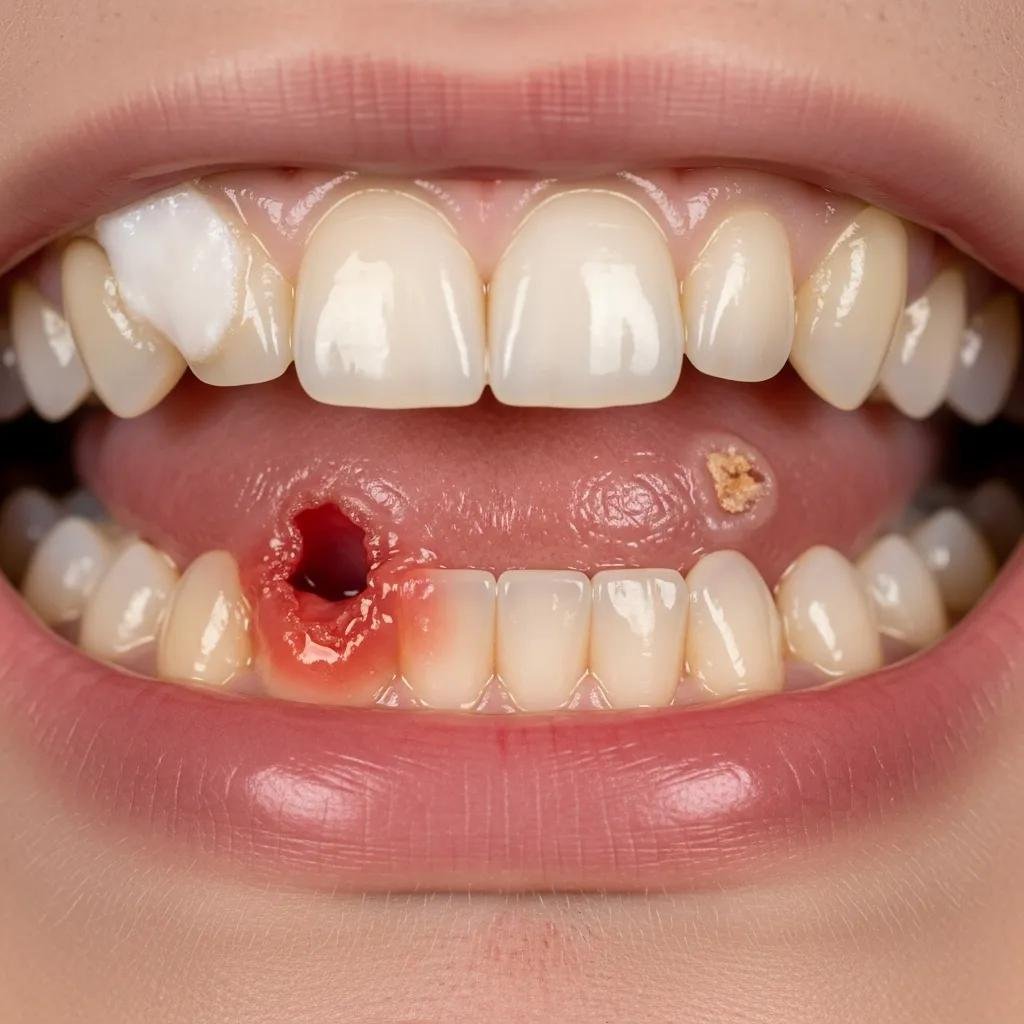
Recognizing early signs speeds diagnosis and treatment. Common indicators include persistent mouth sores, trouble swallowing, and unexplained lumps or tissue thickening. Knowing these symptoms increases the chance of getting care sooner and improving outcomes.
Which Mouth Sores and Patches Indicate Possible Cancer?
Some mouth lesions can signal risk. Leukoplakia (white patches) and erythroplakia (red patches) are often linked to precancerous conditions. Any such lesion should be checked by a dental professional and may need further testing to rule out malignancy.
Research supports the value of diagnosing precancerous lesions early.
Early Diagnosis of Oral Precancerous Lesions
Precancerous lesions of oral mucosa, known as potentially malignant disorders in recent years, are consists of a group of diseases, which should be diagnosed in the early stage. Oral leukoplakia, oral submucous fibrosis, and oral erythroplakia are the most common oral mucosal diseases that have a very high malignant transformation rate. Oral lichen planus is one of the potentially malignant disorders that may be seen in six different subtypes including papular, reticular, plaque-like, atrophic, erosive, and bullous type, clinically. Atrophic and erosive subtypes have the greater increased malignant transformation risk compared to another subtypes. Although there are various etiological studies, the etiology of almost all these diseases is not fully understood. Geographically, etiologic factors may vary. The most frequently reported possible factors are tobacco use, alcohol drinking, chewing of betel quid containing areca nut, and solar rays. Early diagnosis is very important an
Precancerous lesions of oral mucosa, Z Kutlubay, 2014
How to Recognize Lumps, Red or White Patches, and Other Warning Signs?
Look for lumps or tissue thickening and red or white patches that don’t heal. These signs may need prompt attention. Regular self‑checks and noting any changes in your mouth help you seek care sooner.
Who Should Get an Oral Cancer Screening? Understanding Risk Factors
Some people face higher risk and should get regular screenings. Tobacco use, heavy alcohol use, and HPV infection raise the chance of oral cancer and warrant closer monitoring.
How Do Tobacco, Alcohol, and HPV Increase Oral Cancer Risk?
Tobacco and alcohol are established risk factors and can amplify each other’s effects. The human papillomavirus (HPV), especially type 16, is linked to a growing share of oropharyngeal cancers, notably in younger adults.
Why Are Younger Non-Smokers Also at Risk?
With HPV‑related oropharyngeal cancers rising, younger non‑smokers are now being diagnosed more often. This trend shows the need for awareness and screening regardless of smoking history.
What to Expect During the Oral Cancer Screening Procedure at Rudy Aldaragi DDS
At Rudy Aldaragi DDS you’ll receive a comprehensive, efficient screening focused on comfort. The exam is thorough but designed to be quick.
How Does Dr. Rudy Aldaragi Perform the Screening?
Dr. Aldaragi follows a systematic routine: a detailed history, visual inspection, and careful evaluation of the oral cavity and surrounding tissues. He uses advanced techniques to spot potential issues and will discuss findings with clear follow‑up recommendations.
What Advanced Technologies Are Used for Early Detection?
The practice uses adjunctive diagnostic tools to improve screening accuracy. Devices that use fluorescence or tissue reflectance can help visualize suspicious lesions and support more precise assessments. Integrating these tools helps ensure high‑quality early detection.
How Can You Prevent Oral Cancer? Effective Strategies and Lifestyle Tips

Preventing oral cancer combines healthy lifestyle choices with routine dental care. Adopting good habits and keeping regular checkups can meaningfully lower your risk.
What Lifestyle Changes Reduce Oral Cancer Risk?
To lower your risk, consider the following:
- Quit Smoking: Eliminating tobacco use is one of the most effective ways to reduce cancer risk.
- Limit Alcohol Consumption: Reducing alcohol intake can also lower the risk of oral cancer.
- Maintain a Healthy Diet: A diet rich in fruits and vegetables provides essential nutrients that support oral health.
Why Are Regular Dental Checkups Essential for Prevention?
Routine dental visits let professionals detect issues early, often before they become serious. Schedule regular screenings as part of your overall health plan to catch problems sooner.
Frequently Asked Questions
What are the common risk factors for oral cancer?
Common risk factors include tobacco use, heavy alcohol consumption, and infection with the human papillomavirus (HPV). Prolonged sun exposure can raise the risk of lip cancer. A personal history of oral lesions or a family history of cancer may also increase risk. Knowing these factors helps you take preventive steps and seek regular screenings.
How can I perform a self-examination for oral cancer?
To perform a self‑examination, use a mirror to check your lips, gums, tongue, and the inside of your cheeks for any persistent sores, lumps, or discoloration. Use your fingers to feel for lumps in your neck and jaw. If you notice persistent changes, consult a dental professional for further evaluation.
What are the potential side effects of oral cancer treatments?
Oral cancer treatment can cause pain, difficulty swallowing, taste changes, and dry mouth. Radiation therapy may cause skin irritation and fatigue, while chemotherapy can lead to nausea and weakened immune function. Discuss potential side effects with your healthcare team so you can manage them effectively during treatment.
Is there a link between diet and oral cancer risk?
Yes. A diet low in fruits and vegetables may increase risk, while a balanced diet rich in antioxidants, vitamins, and minerals can help protect oral health. Nutrients like vitamin C and beta‑carotene are particularly beneficial. Maintaining a healthy diet along with regular screenings can lower your risk.
What should I expect after an oral cancer screening?
After a screening, your dentist will discuss the findings with you. If no abnormalities are found, you may be advised to return for routine follow‑ups. If suspicious lesions are detected, further tests such as biopsies or imaging may be recommended. Follow your dentist’s advice for ongoing monitoring and care.
Can oral cancer be prevented entirely?
You can’t guarantee complete prevention, but adopting a healthy lifestyle can significantly reduce your risk. Quit smoking, limit alcohol, eat a balanced diet, and practise good oral hygiene. Regular dental checkups and screenings are also vital for early detection and prevention.
How Long Does an Oral Cancer Screening Take?
An oral cancer screening usually takes about 10 to 20 minutes, depending on the exam’s thoroughness and any extra assessments. That short time can deliver meaningful health benefits.
Can Oral Cancer Screening Improve Survival Rates?
Yes. Early detection through regular screenings has been shown to improve survival rates. Finding cancer early expands treatment options and leads to better outcomes.
Conclusion
Regular oral cancer screenings are essential for early detection and significantly improve treatment success and survival rates. By understanding risk factors and recognizing early signs, you can take proactive steps to protect your oral health. Schedule your screening at Rudy Aldaragi DDS to prioritise your well‑being. Take the first step toward a healthier future by booking your appointment today.