
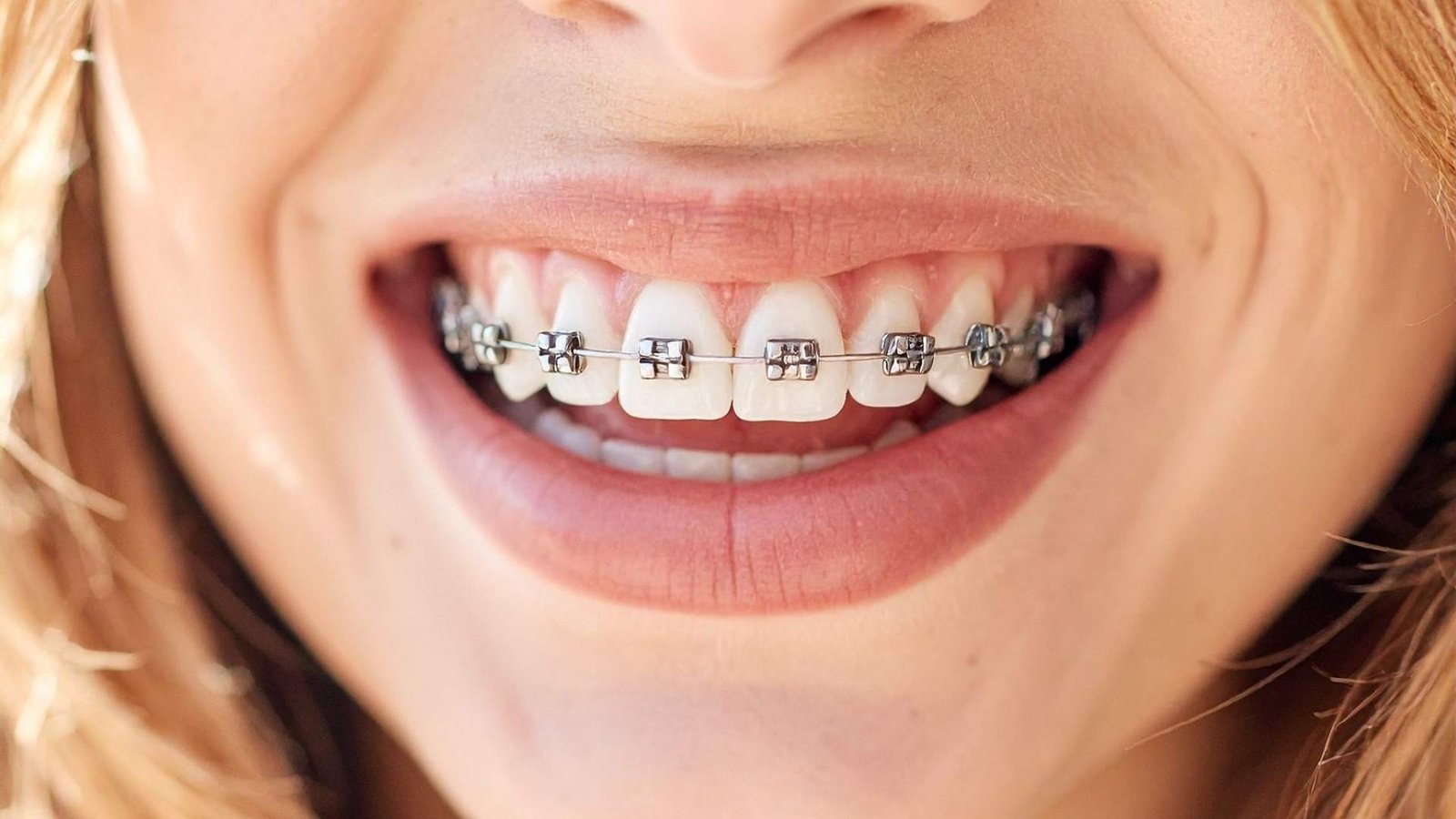
Finishing orthodontic treatment is an exciting moment. You finally see your teeth straight and your smile transformed. But sometimes, once the braces or aligners come off, an unexpected detail appears: small white spots on the teeth.
So it’s normal to ask: can you get white spots after using braces?
The short answer is yes, it can happen. The good news is that these spots are preventable in most cases and, when they appear, there are effective ways to treat them.
What are white spots after braces?
White spots are areas of enamel demineralization. This means that the enamel has lost minerals in certain zones, making those areas look whiter and more opaque than the rest of the tooth.
They don’t usually hurt, but they can affect the final aesthetic result after orthodontic treatment, especially when you were expecting a perfectly even smile.
Why do white spots appear after braces?
White spots after braces don’t happen overnight. They develop gradually, usually due to a combination of factors during orthodontic treatment.
Plaque buildup around brackets
Traditional braces create small spaces where plaque can accumulate more easily. If plaque stays on the tooth surface for too long, it starts to weaken the enamel underneath.
Inadequate oral hygiene during treatment
Brushing and flossing are more challenging with braces. If cleaning is not thorough and consistent, the enamel is more exposed to acid attacks from bacteria.
Sugary or acidic foods and drinks
Frequent consumption of soda, sports drinks, candy, or acidic foods increases the risk of enamel demineralization, especially when combined with braces.
Long orthodontic treatments without proper monitoring
When hygiene issues go unnoticed for too long, white spots may appear by the time braces are removed.
Do white spots happen with clear aligners?
White spots are much less common with clear aligners. Because aligners are removable, patients can brush and floss more effectively, reducing plaque accumulation.
This is one of the reasons why many patients choose clear aligners as a more hygiene-friendly option for orthodontic treatment, when their case allows it.
Can white spots be treated?
Yes. Treatment depends on how advanced the white spots are, but there are several effective options:
Remineralization treatments
In mild cases, professional products can help restore minerals to the enamel and soften the appearance of white spots over time.
Professional teeth whitening
Whitening doesn’t remove white spots, but it can help blend them with the surrounding enamel, making them less noticeable.
Icon resin infiltration
A minimally invasive technique that penetrates the porous enamel and significantly improves the appearance of white spots.
Veneers or bonding (in more severe cases)
If the spots are deep or very visible, cosmetic solutions can restore a uniform, natural-looking smile.
How to prevent white spots during orthodontic treatment
Prevention is always easier than correction. If you are currently in treatment, these habits make a real difference:
- Brush after every meal with fluoride toothpaste.
- Use interdental brushes or water flossers.
- Avoid frequent sugary or acidic drinks.
- Attend regular check-ups and cleanings.
- Follow professional hygiene recommendations closely.
Working with the best orthodontist in Plano TX means not only aligning teeth, but protecting enamel and smile aesthetics throughout the entire process.
If you have concerns about white spots after orthodontics, we’re here to help you protect and perfect your results with confidence. Contact us!