
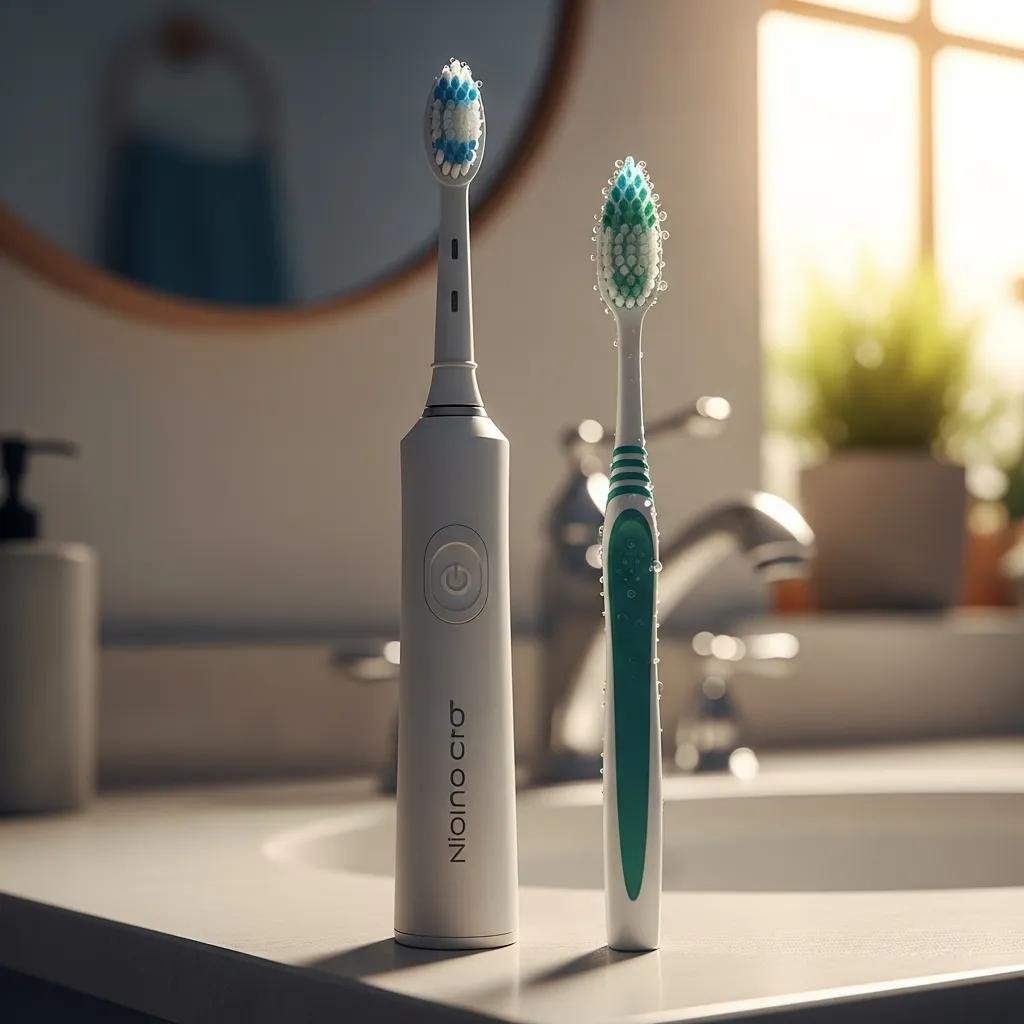
Which Toothbrush is Best: Electric or Manual? A Dentist-Recommended Guide for Effective Oral Hygiene
Choosing the right toothbrush is essential for maintaining optimal oral hygiene. With the ongoing debate between electric and manual toothbrushes, many individuals find themselves uncertain about which option is best for their needs. This guide will explore the key benefits of both types of toothbrushes, helping you make an informed decision. Understanding the differences can significantly impact your oral health, as effective brushing techniques are crucial for preventing plaque buildup and gum disease. In this article, we will cover the advantages of electric toothbrushes, the pros and cons of manual toothbrushes, recommendations from dental professionals, factors to consider when selecting a toothbrush, and maintenance tips for both types.
What Are the Key Benefits of Electric Toothbrushes?
Electric toothbrushes have gained popularity due to their numerous advantages over manual options. They are designed to provide a more effective cleaning experience, often leading to better oral health outcomes.
How Do Electric Toothbrushes Improve Plaque Removal and Gum Health?
Electric toothbrushes utilize oscillating-rotating or sonic technology to enhance plaque removal. Studies indicate that these devices can remove significantly more plaque than manual toothbrushes, particularly in hard-to-reach areas. This increased effectiveness is crucial for preventing gum disease and maintaining overall oral health. Additionally, electric toothbrushes often come with built-in timers, ensuring users brush for the recommended two minutes, which further contributes to improved gum health.
Further research delves into the ongoing discussion about the effectiveness of powered toothbrushes compared to manual ones in managing plaque and improving gum health.
Powered vs. Manual Toothbrush: Plaque, Gingivitis & Oral Health Review
The superiority of powered tooth brush over manual brush in terms of plaque control and improving periodontal health is a topic of constant debate. Hence, the aim of this comprehensive review is to present an update about the current status of powered tooth brush in terms of its application in oral health and to compare with a manual tooth brush.
Powered toothbrush-A review, KR Sowmya, 2018
What Features Make Electric Toothbrushes Suitable for Different Users?
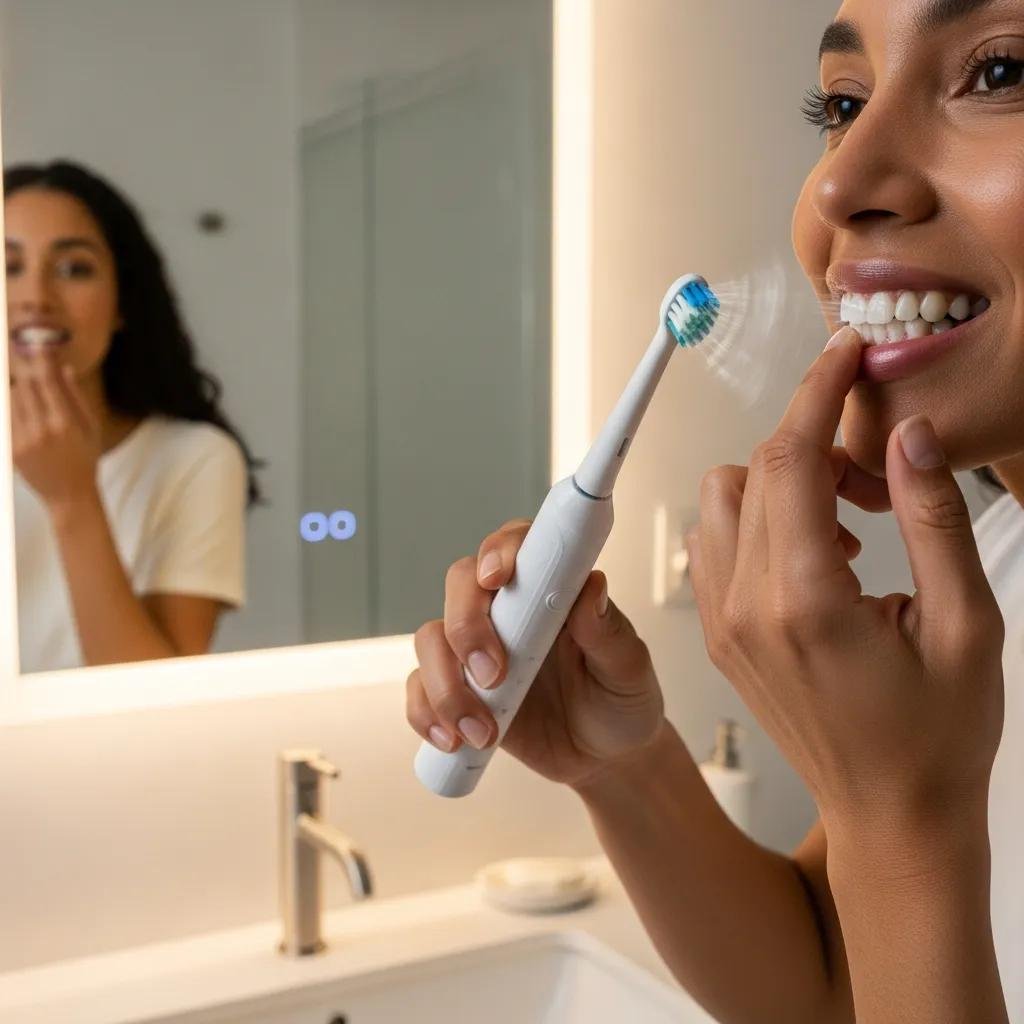
Electric toothbrushes offer various features tailored to different user needs. Many models include pressure sensors to prevent excessive brushing force, which can damage gums. Others have multiple brushing modes, catering to sensitive teeth or specific dental conditions. These user-friendly features make electric toothbrushes suitable for a wide range of individuals, from children to seniors, ensuring everyone can maintain effective oral hygiene.
For those considering an electric toothbrush, consulting with a dental professional like Dr. Rudy Aldaragi can provide personalized recommendations based on individual oral health needs.
What Are the Advantages and Disadvantages of Manual Toothbrushes?
Manual toothbrushes remain a popular choice due to their simplicity and cost-effectiveness. Understanding their advantages and disadvantages can help users make informed decisions.
Why Are Manual Toothbrushes Cost-Effective and Portable?
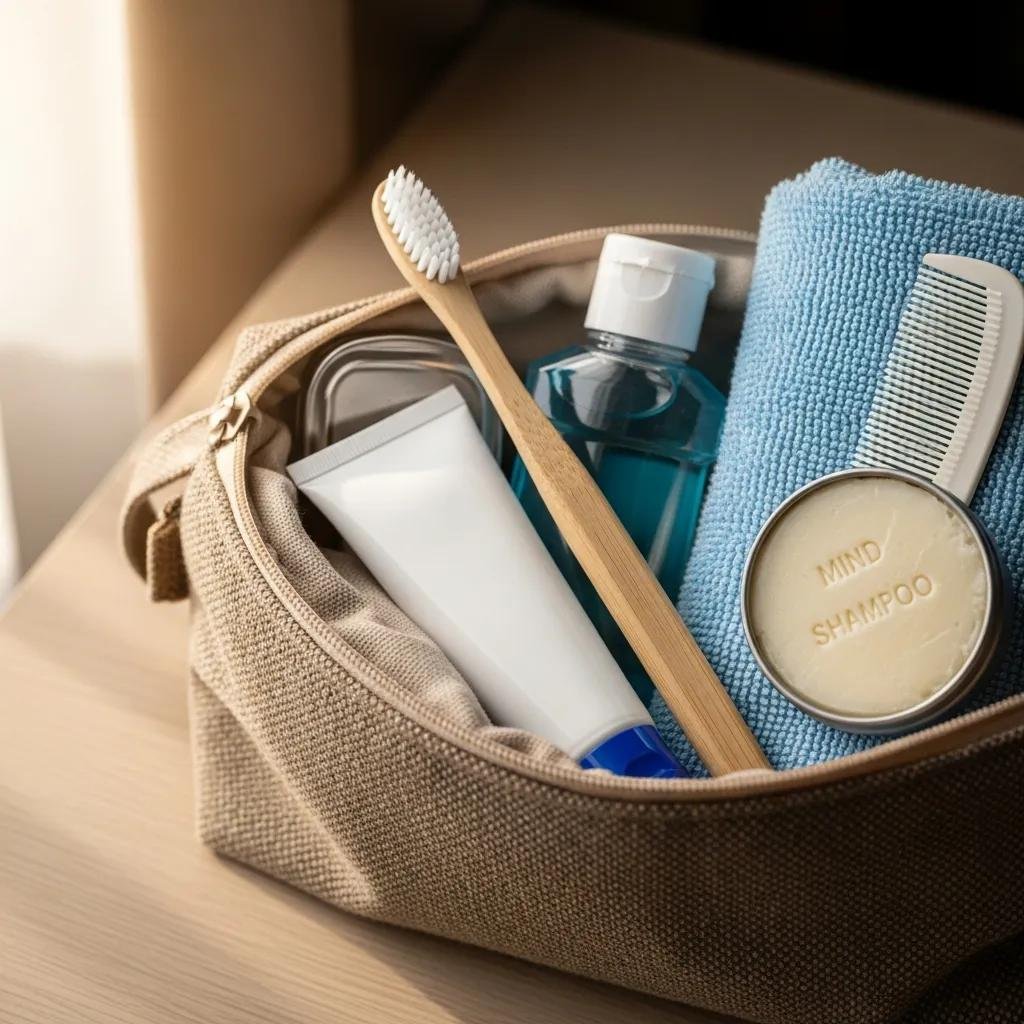
One of the primary benefits of manual toothbrushes is their affordability. They are significantly less expensive than electric toothbrushes, making them accessible to a broader audience. Additionally, manual toothbrushes are lightweight and portable, making them ideal for travel. Users can easily carry them without worrying about battery life or charging.
What Are the Limitations of Manual Toothbrushes in Plaque Removal?
While manual toothbrushes can be effective, they often require proper technique to achieve optimal results. Many users may not apply the correct amount of pressure or brush for the recommended duration, leading to inadequate plaque removal. Research suggests that electric toothbrushes are generally more effective than manual ones in reducing plaque and preventing gum disease, particularly for individuals with limited dexterity.
Clinical trials have further investigated the comparative effectiveness of sonic toothbrushes against manual ones in reducing plaque and gingivitis.
Sonic vs. Manual Toothbrush: Plaque & Gingivitis Reduction
The purpose of this 12-week, singleblind clinical trial was to compare the ability of the Sonicare® toothbrush and a manual toothbrush to remove supragingival plaque and reduce gingivitis.
Comparison of a sonic and a manual toothbrush for efficacy in supragingival plaque removal and reduction of gingivitis, GC Armitage, 1996
This effectiveness is particularly relevant when considering factors like manual dexterity, which can influence plaque removal.
Electric Toothbrush Plaque Removal & Manual Dexterity
toothbrush regarding plaque removing effectiveness could be studied without being biased or influenced for example by manual dexterity and/or brushing experience of the subject.
The plaque‐removing efficacy of an oscillating/rotating toothbrush: a short‐term study, MM Danser, 1993
The importance of proper toothbrush selection cannot be overstated, as it directly relates to effective dental care. Scheduling an appointment with a dental professional can help individuals determine the best toothbrush for their needs.
How Do Dentists Recommend Choosing Between Electric and Manual Toothbrushes?
Dentists often provide guidance on selecting the right toothbrush based on individual needs and preferences.
Which Toothbrush Types Are Best for Sensitive Gums and Specific Needs?
For individuals with sensitive gums or specific dental conditions, electric toothbrushes with gentle modes may be recommended. These options can provide a thorough clean without causing discomfort. Conversely, manual toothbrushes with soft bristles can also be effective for those who prefer a more traditional approach. Consulting with a dentist can help identify the best choice based on personal oral health.
How Does Proper Brushing Technique Influence Toothbrush Effectiveness?
Regardless of the toothbrush type, proper brushing technique is crucial for effectiveness. Dentists emphasize the importance of brushing at a 45-degree angle to the gums and using gentle, circular motions. This technique helps remove plaque effectively and reduces the risk of gum irritation. Understanding the correct technique can enhance the benefits of both electric and manual toothbrushes.
What Factors Should You Consider When Selecting Your Toothbrush?
When choosing a toothbrush, several factors should be taken into account to ensure optimal oral hygiene.
How Do Budget, Lifestyle, and Oral Health Needs Affect Toothbrush Choice?
Budget considerations play a significant role in toothbrush selection. While electric toothbrushes offer advanced features, they come at a higher price point. Manual toothbrushes, on the other hand, are budget-friendly and can still provide effective cleaning when used correctly. Lifestyle factors, such as travel habits and personal preferences, also influence the choice. Individuals who travel frequently may prefer the portability of manual toothbrushes, while those seeking advanced cleaning may opt for electric models.
What Role Does Personal Comfort and Preference Play in Toothbrush Selection?
Personal comfort and preference are essential in toothbrush selection. Some individuals may find electric toothbrushes easier to use, while others may prefer the familiarity of manual options. Trying different types can help users determine which toothbrush feels most comfortable and effective for their needs.
How Can You Maintain and Replace Your Toothbrush for Optimal Oral Care?
Proper maintenance and timely replacement of toothbrushes are vital for effective oral care.
When Should You Replace Electric and Manual Toothbrushes?
It is generally recommended to replace toothbrushes every three to four months, or sooner if the bristles become frayed. For electric toothbrushes, users should also replace the brush head according to the manufacturer’s guidelines. Regular replacement ensures optimal cleaning performance and reduces the risk of bacterial buildup.
What Are Best Practices for Toothbrush Hygiene and Care?
Maintaining toothbrush hygiene is crucial for preventing bacterial growth. Users should rinse their toothbrushes thoroughly after each use and store them in an upright position to allow for air drying. Avoiding the sharing of toothbrushes is also essential to prevent cross-contamination. Following these best practices can enhance the effectiveness of both electric and manual toothbrushes.
| Toothbrush Type | Key Features | Advantages | Disadvantages |
|---|---|---|---|
| Electric | Oscillating-rotating or sonic technology, timers, pressure sensors | Effective plaque removal, user-friendly | Higher cost, requires charging |
| Manual | Simple design, affordable | Cost-effective, portable | Technique-dependent, less effective for some |
This comparison highlights the distinct features and benefits of electric and manual toothbrushes, aiding users in making informed choices based on their preferences and needs.