
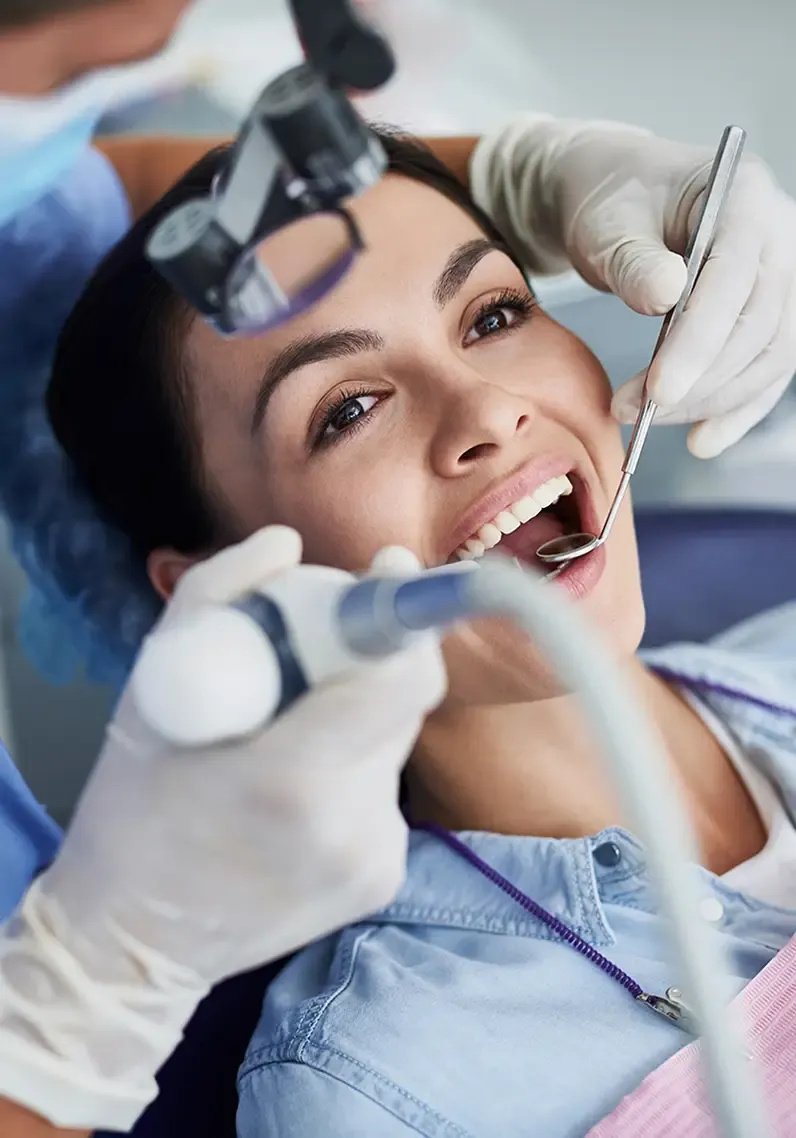
Ease Your Jaw Pain Today
TMJ (temporomandibular joint) disorders cause jaw pain and can make eating, speaking, and everyday life uncomfortable. This article outlines common symptoms, causes, and treatment options in Plano, TX — from conservative care to advanced interventions — and explains why Dr. Rudy Aldaragi DDS is a local TMJ provider.
What Are the Common TMJ Symptoms and How Do They Affect You?
TMJ problems appear in various ways; spotting them early helps you get appropriate care.
Which Jaw Pain and Discomfort Signs Indicate TMJ Disorder?

Common signs include:
- Jaw Clicking or Popping: Sounds when opening or closing the mouth.
- Pain During Chewing: Discomfort that can indicate joint or muscle issues.
- Frequent Headaches: Jaw tension often contributes to tension-type headaches.
- Ear Pain or Fullness: Ear-related sensations due to the joint’s proximity to the ear canal.
How Do TMJ Symptoms Like Headaches and Ear Pain Impact Daily Life?
These symptoms can reduce work performance, make eating or speaking in public uncomfortable, and lower quality of life. Effective treatment often restores function and comfort.
What Causes TMJ Disorders and How Can You Identify Them?
What Are the Main Factors Leading to TMJ Pain in Plano Residents?
Risk factors include high stress and bruxism, eating hard or chewy foods, and posture or habits that increase jaw muscle tension.
How Is TMJ Diagnosed by a Plano TMJ Specialist?
Diagnosis combines a focused history and exam with imaging when needed to clarify joint structures and guide treatment.
- Initial Consultation: Review symptoms and medical history.
- Physical Examination: Palpation and functional assessment of the jaw.
- Diagnostic Imaging: X-rays, CT, or MRI when indicated.
- Patient History: Lifestyle and habit review to identify contributing factors.
A precise diagnosis leads to a tailored treatment plan.
TMJ Symptoms, Diagnosis & Imaging Needs
Temporomandibular joint dysfunction (TMD) can affect a significant portion of the population.1 Clinical symptoms may include one or more of the following: pain in the region of the temporomandibular joint (TMJ), headaches, earaches, muscle tenderness, joint noises such as clicking, popping or grating, limited opening or deviation of the mandible on opening/closing, locking, and occlusal changes due to alteration in mandibular positioning. Evaluation of TMD begins with a thorough patient history and clinical examination. In some cases, the clinical examination findings are sufficient to allow the dentist to arrive at a preliminary diagnosis and begin conservative treatment. However, other patients will require diagnostic imaging of the TMJs in order to provide information, which is not available from the clinical examination.
Diagnostic imaging of the temporomandibular joint, 2005
What Non-Surgical TMJ Treatment Options Are Available in Plano?

How Do Custom Oral Appliances and Nightguards Relieve TMJ Symptoms?
Custom oral appliances are a common first-line option. They protect teeth, reduce grinding, and ease joint strain.
- Reduce Teeth Grinding: A protective cushion for bruxism.
- Align the Jaw: May reposition the jaw to reduce strain.
- Enhance Comfort: Often lowers pain and protects dental structures.
Clinicians assess appliance use on a case-by-case basis and monitor symptom response.
Oral Appliances for TMD Management
These findings obviously have required clinicians to rethink the mechanisms of appliance efficacy, and to re-evaluate what the role of OAs might be in treating TMD patients.
Oral appliances in the management of temporomandibular disorders, 2009
What Role Do Physical Therapy and Jaw Exercises Play in TMJ Relief?
Physical therapy and guided exercises strengthen jaw muscles, increase range of motion, and ease muscle tension. Techniques include stretching, massage, and heat.
When Are Advanced TMJ Solutions Like Orthodontics or Surgery Recommended?
How Can Orthodontic Treatment Correct Bite Issues Causing TMJ?
Orthodontics (braces or aligners) can correct bite and alignment problems that strain the joint, improving function and, when appropriate, appearance.
What Surgical Procedures Are Available for Severe TMJ Cases in Plano?
Surgery is reserved for persistent or severe structural problems after conservative care. Options include:
- Arthrocentesis: Joint lavage to reduce inflammation.
- Arthroscopy: Minimally invasive diagnosis and treatment.
- Open Joint Surgery: For more significant structural repair.
- Joint Replacement: Considered in extreme, function-limiting cases.
Why Choose Dr. Rudy Aldaragi DDS for Your TMJ Treatment in Plano?
What Expertise and Technology Does Dr. Aldaragi Offer for TMJ Care?
Dr. Aldaragi uses modern diagnostic tools and creates individualized treatment plans focused on accurate diagnosis, clear goals, and patient comfort.
- State-of-the-Art Diagnostic Tools: For precise assessment and planning.
- Comprehensive Treatment Plans: Tailored to each patient’s needs.
- Patient-Centered Care: Emphasizes comfort and clear communication.
How Do Flexible Financing and 24/7 Emergency Appointments Benefit Patients?
Practical supports — flexible payment plans and prompt appointments for urgent issues — help patients access timely care.
- Flexible Financing Options: To fit different budgets.
- Emergency Appointments: Prompt care for urgent TMJ problems.
- Comprehensive Support: From consultation through follow-up.
What Are the Costs and Insurance Options for TMJ Treatment in Plano?
How Much Does TMJ Treatment Typically Cost at Rudy Aldaragi DDS?
Costs depend on treatment type and complexity. Non-surgical care is generally less expensive than surgery. Insurance coverage varies by plan.
- Type of Treatment: Non-surgical usually costs less than surgical.
- Complexity of the Case: More complex cases may need more services.
- Insurance Coverage: Many plans cover part of TMJ care, but benefits differ.
Discuss costs and payment options during your consultation.
Which Insurance Plans and Payment Options Are Accepted for TMJ Care?
Rudy Aldaragi DDS accepts many insurance plans and offers payment options, including eligible HSA use.
- Major Dental Insurance Providers: Many plans reduce out-of-pocket cost.
- Flexible Payment Plans: Help spread treatment costs.
- Health Savings Accounts (HSAs): May be used where eligible.
Frequently Asked Questions
What lifestyle changes can help alleviate TMJ symptoms?
Small lifestyle changes can ease TMJ. Reduce stress with relaxation (yoga or meditation). Choose softer foods to cut jaw strain. Maintain good posture when sitting or using devices. Use warm or cold packs for relief. Pair these habits with professional care for the best results.
Are there any home remedies for managing TMJ pain?
Yes. Home remedies include warm compresses to relax muscles, gentle jaw stretches, and relaxation techniques. Over-the-counter pain relievers like ibuprofen or acetaminophen can help short-term. If pain persists or worsens, consult a healthcare professional.
How long does it typically take to see improvement with TMJ treatment?
Improvement varies by person and severity. Many patients notice relief within a few weeks of non-surgical treatments, such as physical therapy or oral appliances. More complex or surgical cases can take longer. Keep regular follow-ups to track progress and adjust treatment.
Can TMJ disorders lead to other health issues?
Yes. Untreated TMJ can disrupt sleep, cause fatigue, and reduce quality of life. Eating and speaking difficulties may affect nutrition and social interactions. Ongoing pain can contribute to anxiety or depression. Early intervention helps prevent these complications.
What should I expect during my first TMJ consultation?
Expect a full evaluation. Your provider will review your medical history and symptoms, examine jaw movement and discomfort, and may order imaging (X-rays or MRI) if needed. This information helps form an effective treatment plan.
Are there any specific exercises recommended for TMJ relief?
Yes. Gentle opening and closing exercises improve flexibility, while side-to-side stretches increase range of motion. Clinician-guided strengthening can stabilize the jaw and reduce pain. Perform exercises under professional supervision to avoid worsening symptoms.
Conclusion
Effective TMJ treatment in Plano can reduce your discomfort and improve your quality of life. By treating root causes with tailored solutions, you can regain normal jaw function and lessen pain. Don’t let jaw issues hold you back — contact Dr. Rudy Aldaragi DDS for a personalized consultation today and start the path to relief and improved well-being with our expert care.