
Fluoride vs. Fluoride-Free Toothpaste: Expert Guide to Benefits, Safety, and Best Choices for Cavity Prevention
The debate surrounding fluoride versus fluoride-free toothpaste is a significant topic in dental health, impacting choices for millions. This comprehensive guide will explore the benefits and safety of both types of toothpaste, helping you make informed decisions for optimal oral care. Understanding the differences between fluoride and fluoride-free options is crucial for effective cavity prevention and overall dental health. Many individuals are concerned about the potential risks associated with fluoride, while others seek the proven benefits it offers. This article will delve into the advantages of fluoride toothpaste, the pros and cons of fluoride-free alternatives, safety concerns, and how to choose the best toothpaste for your needs.
What Are the Benefits of Fluoride Toothpaste for Dental Health?
Fluoride toothpaste is widely recognized for its ability to enhance dental health by preventing cavities and strengthening enamel. Fluoride works by remineralizing tooth enamel, making it more resistant to acid attacks from bacteria and sugars. This mechanism is crucial in reducing the incidence of cavities, especially in children and individuals at higher risk for dental decay. The American Dental Association (ADA) endorses fluoride use, highlighting its effectiveness in promoting oral health.
How Does Fluoride Strengthen Enamel and Prevent Cavities?
Fluoride strengthens enamel through a biochemical process known as remineralization. When fluoride is present in the mouth, it interacts with the minerals in saliva, such as calcium and phosphate, to form fluorapatite, a more resilient mineral than hydroxyapatite, which is the primary component of tooth enamel. This process not only repairs early signs of decay but also enhances the enamel’s resistance to future acid attacks, significantly reducing the risk of cavities.
What Do Dental Experts and the ADA Recommend About Fluoride Use?
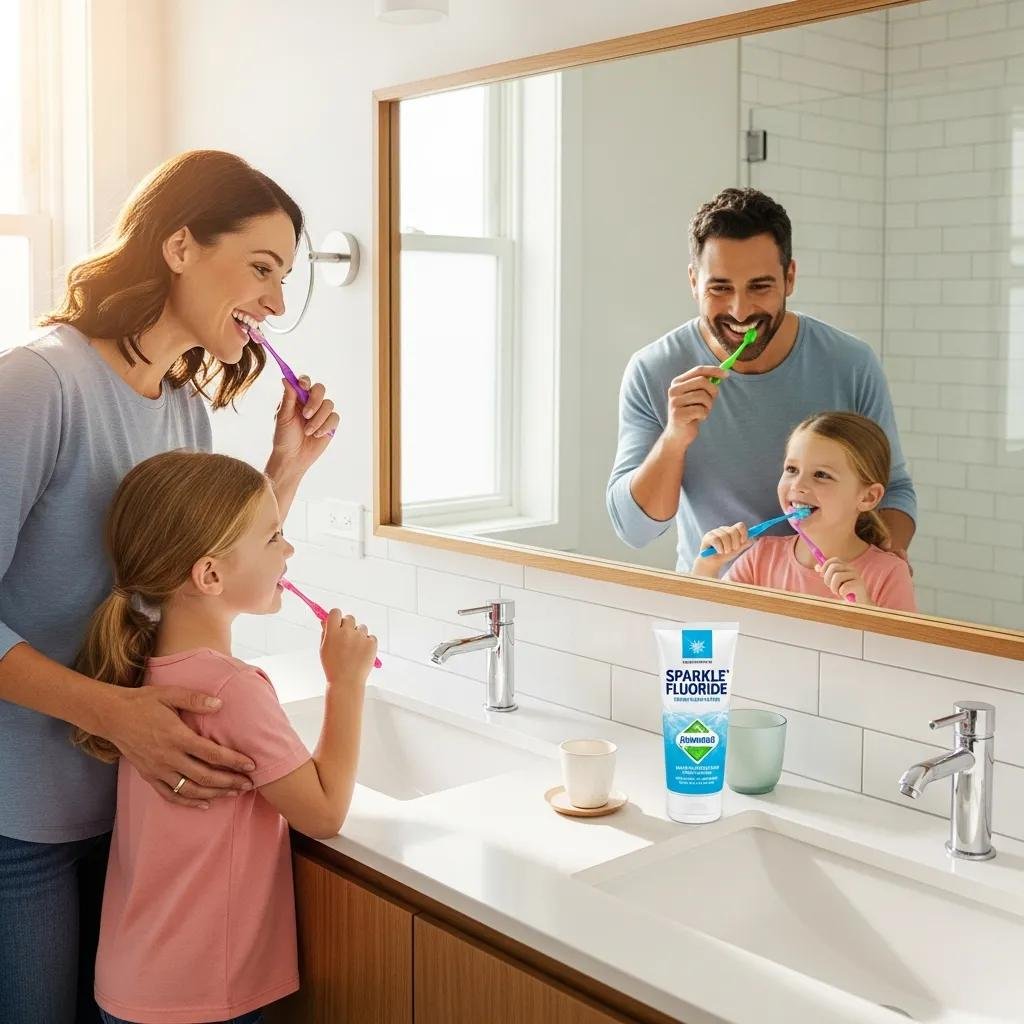
Dental experts and organizations like the ADA recommend the use of fluoride toothpaste for individuals of all ages. The ADA emphasizes that fluoride is safe and effective when used as directed. They suggest that children should use fluoride toothpaste as soon as they can brush their teeth, with adult supervision to ensure they do not swallow excessive amounts. Regular use of fluoride toothpaste is associated with lower rates of dental caries, making it a vital component of daily oral hygiene.
What Are the Pros and Cons of Fluoride-Free Toothpaste Alternatives?

Fluoride-free toothpaste has gained popularity among consumers seeking natural alternatives. While these products may appeal to those concerned about fluoride’s potential risks, they also come with their own set of advantages and disadvantages. Understanding these factors is essential for making an informed choice.
How Effective Is Hydroxyapatite Toothpaste Compared to Fluoride?
Hydroxyapatite toothpaste is a fluoride-free alternative that has shown promise in preventing cavities. Hydroxyapatite is a naturally occurring mineral that makes up a significant portion of tooth enamel. Studies suggest that hydroxyapatite can effectively remineralize enamel and reduce sensitivity, similar to fluoride. However, while some research indicates that hydroxyapatite may be effective, fluoride remains the gold standard for cavity prevention due to its extensive clinical backing and proven efficacy.
Further research highlights the ongoing discussion around fluoride’s role in cavity prevention and the potential of fluoride-free alternatives like hydroxyapatite, especially concerning children.
Fluoride vs. HAP: Caries Prevention & Fluoride-Free Alternatives
Research has shown that fluoride has a role in caries prevention. For many reasons there are concerns about young children using fluoride-containing oral care products. Consequently, there is a need to identify effective fluoride-free products. A large body of literature now exists on the use of biomimetic hydroxyapatite (HAP) as an active ingredient in oral care products to combat caries.
Biomimetic hydroxyapatite and caries prevention: a systematic review and meta-analysis, F Meyer, 2021
What Natural Ingredients Support Oral Health in Fluoride-Free Toothpastes?
Fluoride-free toothpastes often contain natural ingredients that promote oral health. Common components include:
- Baking Soda: Helps neutralize acids and whiten teeth.
- Activated Charcoal: Known for its ability to absorb toxins and stains, though evidence for its safety and effectiveness in toothpaste is limited.
- Essential Oils: Such as tea tree oil and peppermint, which can provide antibacterial properties.
These ingredients can contribute to oral hygiene, but their effectiveness in cavity prevention compared to fluoride is still under investigation.
Is Fluoride Toothpaste Safe? Addressing Common Safety Concerns
Concerns about fluoride safety often arise, particularly regarding dental fluorosis and fluoride overexposure. Understanding these risks is crucial for informed decision-making about toothpaste choices.
What Are the Risks of Dental Fluorosis and Fluoride Overexposure?
Dental fluorosis is a condition that results from excessive fluoride exposure during tooth development in childhood, leading to discoloration and mottling of the teeth. While mild cases are primarily cosmetic, severe cases can affect tooth structure. To minimize the risk of fluorosis, it is essential to supervise young children while brushing and ensure they use only a pea-sized amount of fluoride toothpaste. The ADA recommends that parents consult with their dentist about fluoride use for their children to balance the benefits and risks effectively.
Studies have further investigated the increasing prevalence of dental fluorosis and the various pathways of fluoride exposure in children.
Dental Fluorosis: Fluoride Exposure Risks in Children
The prevalence of dental fluorosis in the United States has increased during the last 30 years. In this study, we used a mathematical model commonly employed by the U.S. Environmental Protection Agency to estimate average daily intake of fluoride via all applicable exposure pathways contributing to fluorosis risk for infants and children living in hypothetical fluoridated and non-fluoridated communities.
A quantitative look at fluorosis, fluoride exposure, and intake in children using a health risk assessment approach, 2004
Who Should Consider Using Fluoride-Free Toothpaste?
Certain populations may benefit from fluoride-free toothpaste, particularly those with specific health concerns or sensitivities. For example, individuals with a history of dental fluorosis or those who prefer natural products may opt for fluoride-free alternatives. Additionally, parents of young children who are concerned about fluoride ingestion may choose fluoride-free options until their children are old enough to use fluoride toothpaste safely.
The ongoing search for effective fluoride-free options is driven by concerns over fluoride acceptance and the potential for fluorosis in children.
Hydroxyapatite Toothpaste: Fluoride-Free Caries Prevention & Fluorosis Risk
While fluoride has been a cornerstone in the prevention of dental caries, there is need for effective alternatives due to the decreased acceptance among the public and the risk of fluorosis in children [2]. Hydroxyapatite (HAP; Ca5(PO4)3(OH)) containing toothpastes are fluoride-free alternatives which have been recently shown to be effective as anti-caries agents [3,4,5].
The use of hydroxyapatite toothpaste to prevent dental caries, F Meyer, 2022
How to Choose the Best Toothpaste for Cavity Prevention and Oral Care
Selecting the right toothpaste is essential for maintaining optimal oral health. Several factors should influence your choice, including personal preferences, dental health needs, and ingredient awareness.
What Factors Should Influence Your Toothpaste Selection?
When choosing toothpaste, consider the following factors:
- Cavity Risk: If you are at higher risk for cavities, fluoride toothpaste is recommended.
- Sensitivity Issues: If you experience tooth sensitivity, look for toothpaste specifically designed to address this concern.
- Ingredient Preferences: If you prefer natural products, explore fluoride-free options with beneficial ingredients.
These considerations will help you select a toothpaste that aligns with your oral health goals.
When Should You Consult a Dentist Like Dr. Rudy Aldaragi for Personalized Advice?
Consulting a dentist is crucial for personalized recommendations regarding toothpaste and overall oral care. Signs that you should seek professional advice include:
- Persistent tooth sensitivity or pain.
- Frequent cavities or dental issues.
- Questions about the best oral hygiene practices for your specific needs.
Dr. Rudy Aldaragi, a dentist in Plano, Texas, can provide tailored advice based on your dental history and current health status, ensuring you make the best choices for your oral care.
What Comprehensive Oral Hygiene Practices Complement Toothpaste Use?
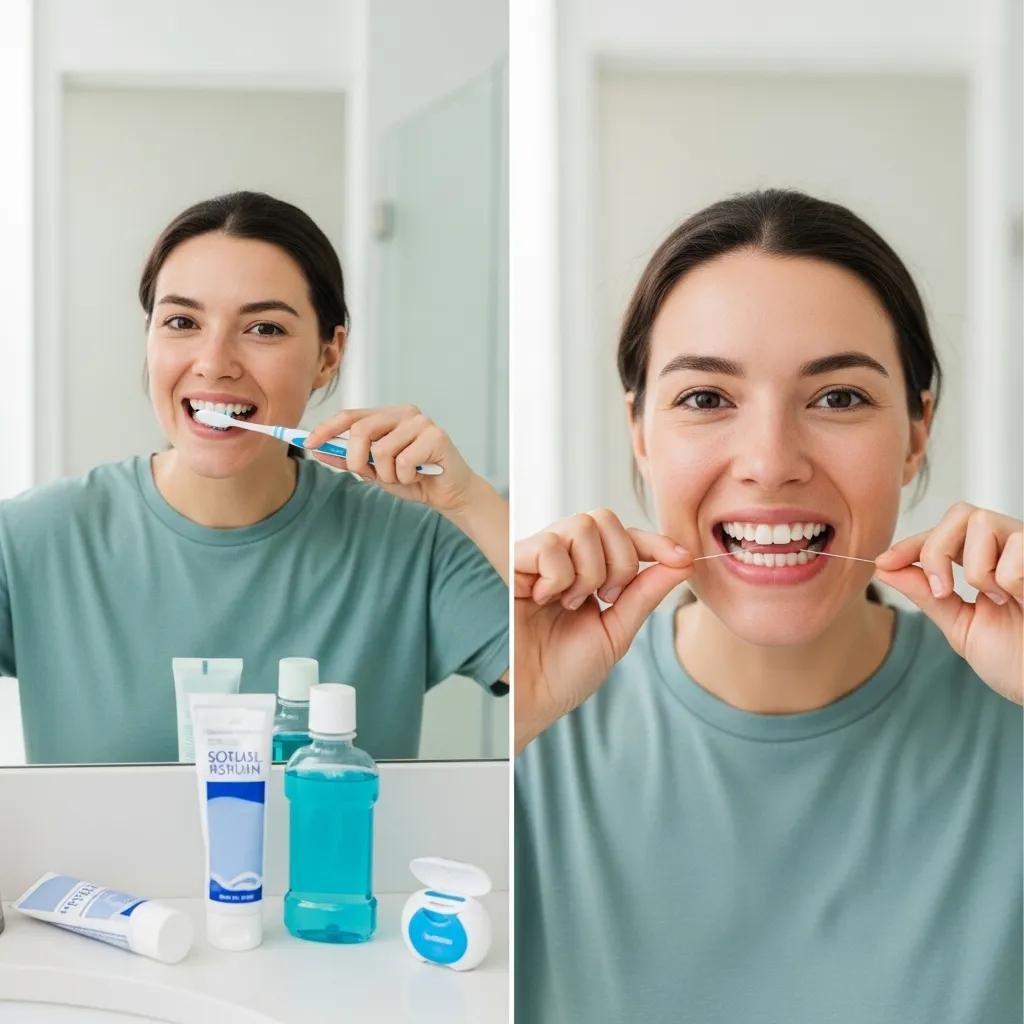
Toothpaste is just one component of a comprehensive oral hygiene routine. Other practices play a vital role in maintaining dental health.
How Do Brushing Techniques, Flossing, and Diet Impact Oral Health?
Effective oral hygiene involves proper brushing techniques, regular flossing, and a balanced diet. Key practices include:
- Brushing: Use a soft-bristled toothbrush and fluoride toothpaste, brushing for at least two minutes twice daily.
- Flossing: Daily flossing helps remove plaque and food particles from between teeth, areas that toothbrushes cannot reach.
- Diet: A diet low in sugars and high in fruits, vegetables, and dairy can support oral health.
These practices work together to enhance the effectiveness of your toothpaste and promote overall dental health.
Why Are Regular Dental Check-Ups Essential for Preventive Care?
Regular dental check-ups are crucial for preventive care, allowing for early detection of dental issues and professional cleaning. Benefits of routine visits include:
- Early Detection: Identifying cavities or gum disease before they progress.
- Professional Cleaning: Removing tartar buildup that regular brushing cannot eliminate.
- Patient Education: Learning about the best practices for maintaining oral health.
Incorporating regular dental visits into your routine ensures that you maintain optimal oral health and address any concerns promptly.
| Toothpaste Type | Key Ingredients | Benefits | Considerations |
|---|---|---|---|
| Fluoride Toothpaste | Fluoride | Prevents cavities, strengthens enamel | Risk of fluorosis if overused in children |
| Hydroxyapatite Toothpaste | Hydroxyapatite | Remineralizes enamel, reduces sensitivity | Less clinical evidence than fluoride |
| Natural Toothpaste | Baking soda, essential oils | Natural ingredients, freshens breath | May not prevent cavities as effectively |
This table summarizes the key differences between fluoride, hydroxyapatite, and natural toothpaste options, helping consumers make informed choices based on their needs.
Fluoride toothpaste remains a cornerstone of effective cavity prevention, while fluoride-free alternatives offer options for those seeking natural products. Understanding the benefits, safety concerns, and best practices for oral hygiene will empower you to make informed decisions for your dental health.