
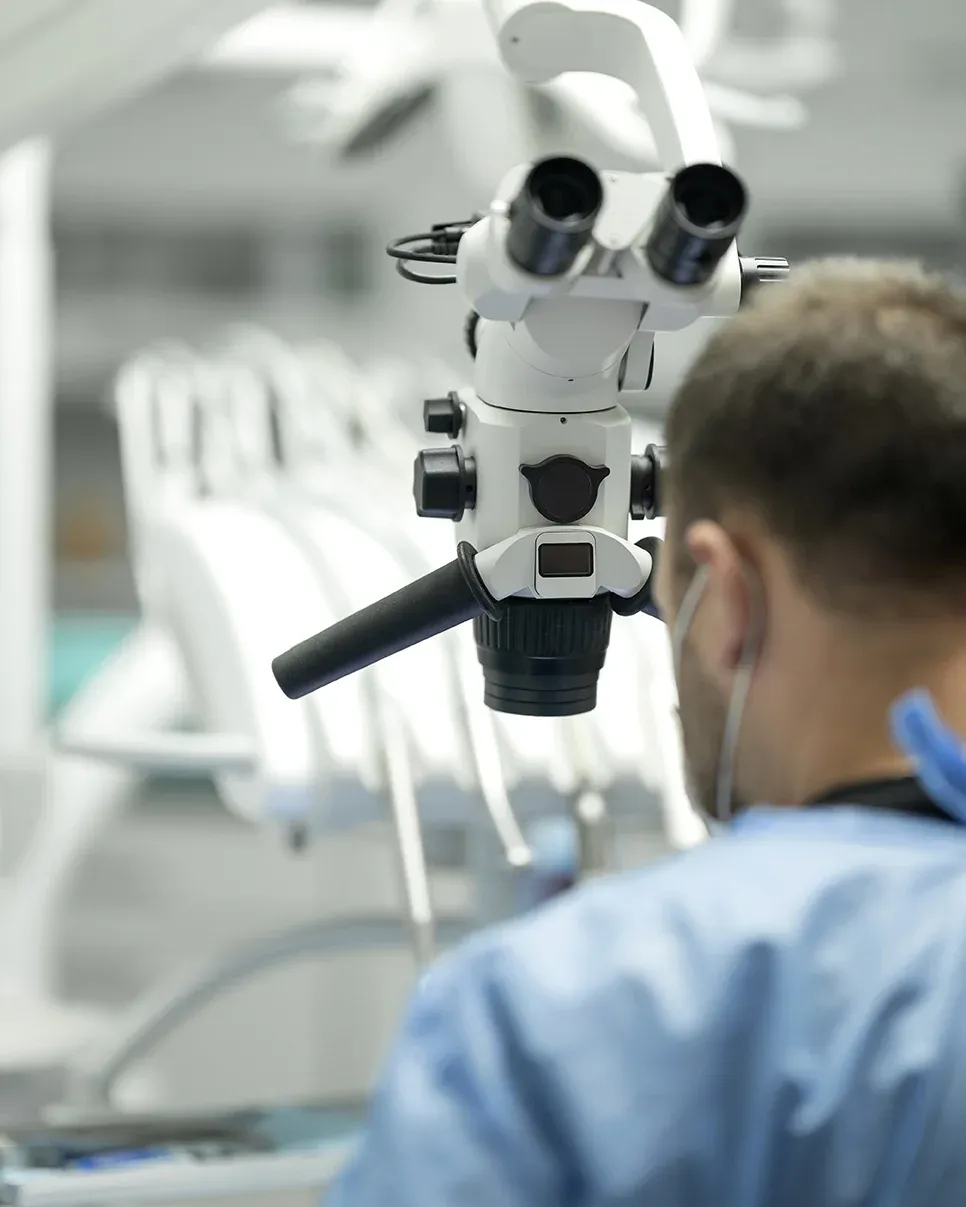
Premier Root Canal Services in Plano
Root canal treatment saves infected teeth and eases pain, often preventing extraction. This guide explains how root canal therapy works, its benefits, recovery expectations, warning signs, typical costs, and the services offered at Rudy Aldaragi DDS in Plano, TX.
What is a Root Canal and How Does It Save Your Tooth?
A root canal removes infected or damaged pulp from inside a tooth to stop pain and prevent infection from spreading. The resulting space is cleaned, disinfected and sealed so the tooth can return to function and strength.
Understanding the main steps of traditional root canal treatment clarifies how the procedure addresses deep decay and irreversible pulpitis.
Traditional Root Canal Treatment Overview
This review is devoted to the traditional Root Canal Treatment (RCT). In the past, treatments of teeth affected by deep caries preserve in the pulp vitality, but in the case of irreversible pulpitis, the pulp is removed and the root canal is filled.
Root canal treatment (RCT): from traditional endodontic therapies to innovating pulp regeneration, 2016
What is the anatomy of a tooth relevant to root canals?

A tooth has three layers: enamel, dentin and pulp. The pulp contains nerves and blood vessels; when infected it causes pain and other problems. Root canal therapy removes the infected pulp to save the tooth.
How does root canal therapy treat infected teeth?
X-rays determine the extent of infection, local anaesthesia numbs the area, and the dentist opens the tooth to reach the pulp chamber. The infected pulp is removed, canals are cleaned and disinfected, then filled with gutta-percha and sealed to reduce reinfection risk.
What Are the Common Signs and Symptoms Indicating You Need a Root Canal?
Early detection enables timely treatment. Common signs include persistent tooth pain, sensitivity to hot or cold, gum swelling, discoloration, or visible abscesses. See a dental professional promptly if you notice these symptoms.
Which symptoms like pain and sensitivity suggest infection?
Sharp or throbbing pain—especially when biting—and marked sensitivity to temperature changes often indicate an inflamed or infected pulp.
How do swelling, discoloration, and abscesses signal root canal necessity?
Swelling near the gum may show the infection has spread. A darkened tooth can indicate pulp damage. Abscesses form when infection is untreated and require prompt care.
How is the Root Canal Procedure Performed at Rudy Aldaragi DDS?
At Rudy Aldaragi DDS, root canals are performed with careful technique to keep patients comfortable and to deliver consistent results. Treatment proceeds from diagnosis through cleaning and filling to final restoration in planned steps.
What diagnostic tools and anesthesia options are used?
X-rays evaluate the tooth and surrounding bone. Local anaesthesia is standard; anxious patients may be offered nitrous oxide or oral sedation. Effective anaesthesia supports comfort and a successful outcome.
Local Anesthesia Efficacy for Root Canal Pain
The management of pain during root canal treatment is important. The aim of this systematic review was to evaluate the efficacy of local anaesthetic solutions on the success of inferior alveolar nerve block in patients with irreversible pulpitis, a condition that often requires root canal treatment.
Efficacy of local anaesthetic solutions on the success of inferior alveolar nerve block in patients with irreversible pulpitis: a systematic review and network meta …, V Nagendrababu, 2019
What are the key steps: pulp removal, cleaning, filling, and restoration?
After pulp removal, the canals are cleaned, disinfected and filled with biocompatible gutta-percha, then sealed. A crown or other restoration is commonly placed to restore strength and appearance.
What Are the Benefits of Root Canal Therapy Compared to Tooth Extraction?

Root canal therapy preserves your natural tooth, helping maintain chewing, speech and the alignment of adjacent teeth. Preserving the tooth often avoids more complex and costly replacements.
How does root canal therapy preserve natural teeth and oral health?
Keeping the natural tooth maintains alignment and bite. Extraction can allow neighboring teeth to shift and lead to jawbone loss; root canal therapy prevents these issues by retaining the tooth in the arch.
The goal is long-term preservation of the treated tooth beyond immediate pain relief.
Long-Term Root Canal Success & Tooth Preservation
The long-term outcome of root canal treatment, as well as the preservation of treated teeth in the arch, is a dynamic process in which the probability of treatment success and tooth preservation progressively decreases over time.
What ultimately matters in root canal treatment success and tooth preservation: a 25‐year cohort study, JP Van Nieuwenhuysen, 2023
What pain relief and infection prevention benefits does it offer?
Removing the source of infection typically delivers significant pain relief and prevents spread to adjacent teeth and tissues, lowering the risk of more serious complications.
How Much Does a Root Canal Cost in Plano TX and What Financing Options Are Available?
Costs vary by tooth location and case complexity. In Plano, expect roughly $700–$1,500 for a front tooth and $900–$2,000 for a molar, depending on specifics.
What factors influence root canal pricing and insurance coverage?
Price depends on tooth location (front vs molar), complexity and whether a crown or other restorations are required. Many dental plans cover part of the cost—check your policy for details.
Which flexible financing plans and payment options does Rudy Aldaragi DDS provide?
Rudy Aldaragi DDS offers financing to manage treatment costs. Our team will review options to find a plan that fits your budget so you can proceed with care.
What Should You Expect During Recovery and Aftercare Following a Root Canal?
Recovery is generally straightforward. Knowing what to expect reduces worry and supports healing.
How long is the healing process and what discomfort is normal?
Healing typically takes a few days to a week. Mild soreness or sensitivity is common and can be managed with over-the-counter pain relievers. Follow your dentist’s aftercare instructions to support recovery.
What oral hygiene and follow-up care are recommended?
Maintain brushing and flossing, and avoid hard or sticky foods that could damage the treated tooth. Attend follow-up visits so your dentist can check healing and determine if a crown or further work is needed.
| Factor | Description | Estimated Cost |
|---|---|---|
| Tooth Location | Front teeth vs. molars | $700 – $2,000 |
| Complexity | Simple vs. complex cases | Varies |
| Additional Treatments | Crowns or other restorations | $500 – $2,500 |
This table summarises the main factors that influence root canal cost so you can anticipate potential expenses.
Root canal therapy preserves infected teeth and relieves pain. Recognising signs early and understanding the benefits will help you choose the right treatment. At Rudy Aldaragi DDS we provide expert care and support throughout the process to ensure a positive experience.
Frequently Asked Questions
What can I expect during the initial consultation for a root canal?
The dentist will examine your mouth, take X‑rays, review symptoms and medical history, and answer questions about the procedure, recovery and costs so you feel informed before treatment.
How does sedation dentistry work for root canal procedures?
Sedation uses medication to help you relax. Options may include nitrous oxide or oral sedatives; your dentist will recommend the best choice based on anxiety and medical history.
What are the signs that my root canal recovery is not going well?
Normal recovery may include mild soreness; contact your dentist if you experience worsening or severe pain, persistent swelling, fever or gum discharge.
Can I drive myself home after a root canal treatment?
If you received sedation, arrange a ride home. If only local anaesthesia was used you will usually be able to drive, but follow your dentist’s guidance.
What should I do if I experience pain after my root canal?
Mild discomfort is common; if pain is severe or persists beyond a few days contact your dentist. They may recommend OTC pain relief or prescribe medication and check for complications.
How can I maintain my oral health after a root canal?
Brush twice daily, floss once daily, avoid hard or sticky foods that could damage the treated tooth, and keep follow-up appointments to monitor healing and overall oral health.
Conclusion
Root canal therapy preserves infected teeth, eases pain and supports long-term oral health. Knowing the signs and benefits helps you make informed decisions. At Rudy Aldaragi DDS we prioritise expert treatment and patient support—contact us to schedule a consultation and take the first step toward a healthier smile.