
Preventing Childhood Cavities: Essential Child Dental Health Tips for Parents
As a parent, ensuring your child’s dental health is crucial for their overall well-being. Childhood cavities are a common issue that can lead to pain, infection, and even difficulties in eating and speaking. This article provides essential tips for preventing childhood cavities, focusing on effective oral hygiene practices, dietary choices, and the importance of regular dental checkups. By understanding how to establish a solid dental care routine, you can help your child maintain a healthy smile and avoid the discomfort associated with tooth decay. We will explore daily oral hygiene practices, the role of fluoride, the benefits of dental sealants, the impact of sugar consumption, and the necessity of regular pediatric dental visits.
How Can Parents Establish Effective Daily Oral Hygiene for Children?
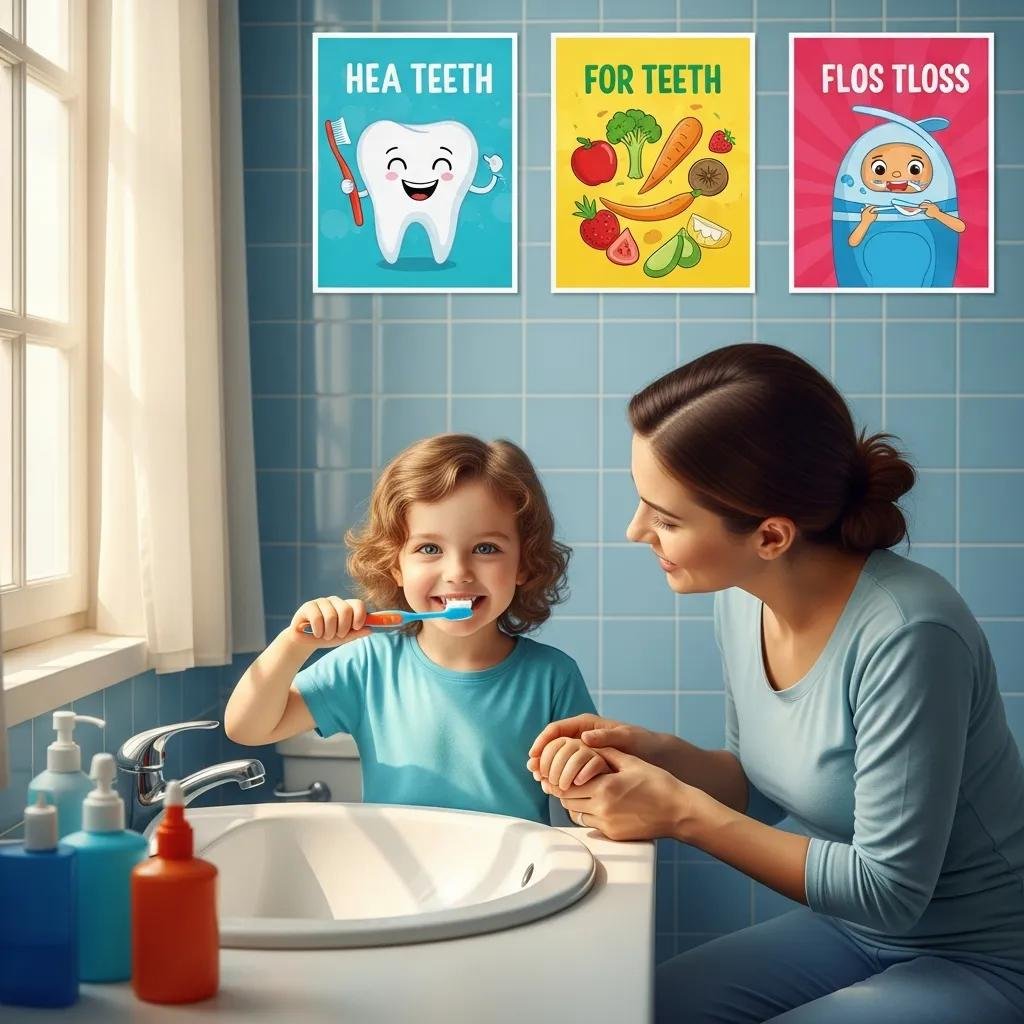
Establishing effective daily oral hygiene is vital for preventing cavities in children. This involves regular brushing and flossing, which help remove food particles and plaque that can lead to tooth decay. Parents should encourage their children to brush at least twice a day with fluoride toothpaste and to floss once daily when appropriate. Creating a routine not only instills good habits but also makes dental care a fun and engaging part of their day.
What Are the Best Brushing and Flossing Practices for Kids?
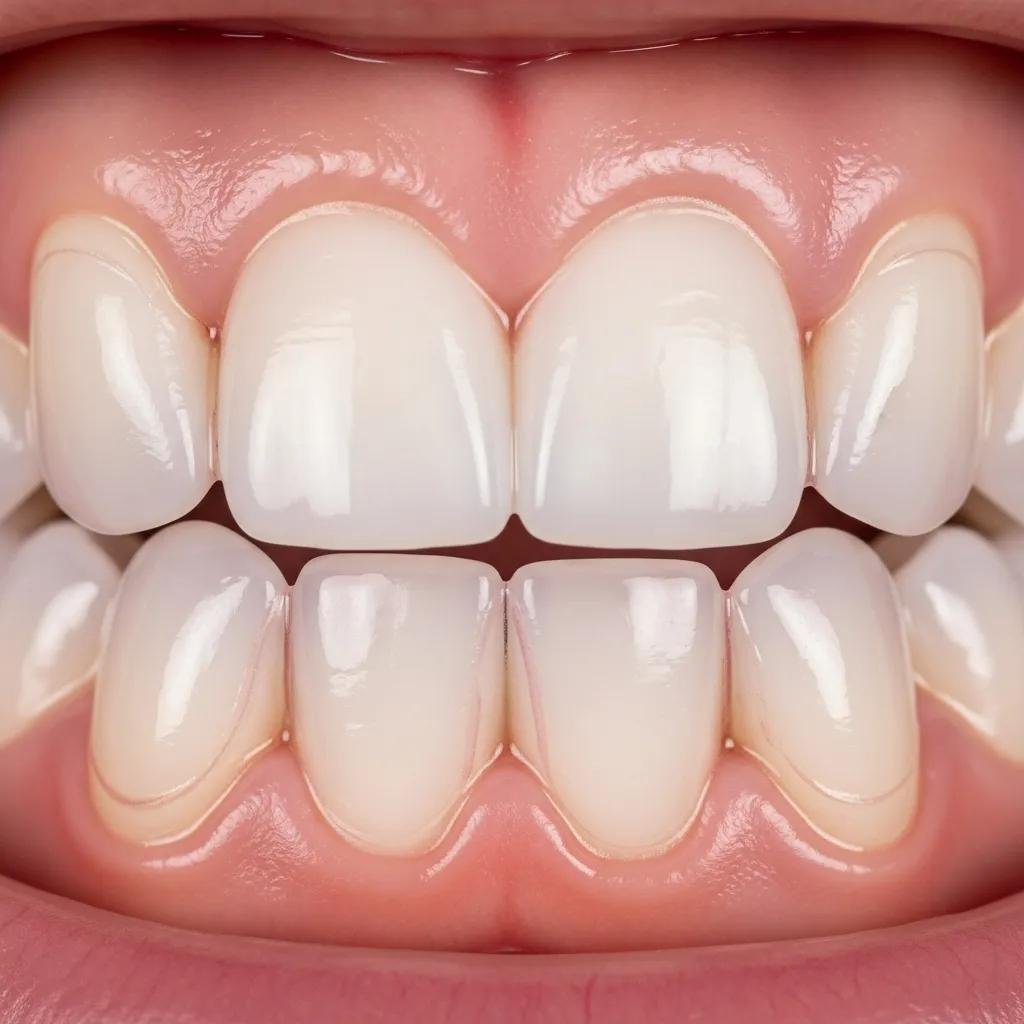
When it comes to brushing, children should use a smear of fluoride toothpaste (about the size of a grain of rice) from the eruption of the first tooth until age 3, then a pea-sized amount from ages 3 to 6. Parents can assist younger children by holding the toothbrush and guiding their hand. It’s essential to teach kids to brush for at least two minutes, covering all surfaces of the teeth. Flossing should begin as soon as two teeth touch, using a gentle sawing motion to avoid hurting the gums. Regular practice of these techniques will help children develop a strong foundation for lifelong oral hygiene.
How Does Diet Impact Children's Oral Hygiene?
Diet plays a significant role in children’s oral health. Foods high in sugar can contribute to the development of cavities, as sugar feeds the bacteria that produce acid and erode tooth enamel. Parents should encourage a balanced diet rich in fruits, vegetables, whole grains, and dairy products, which promote healthy teeth. Additionally, limiting sugary snacks and drinks can significantly reduce the risk of cavities, making it easier for children to maintain good oral hygiene.
Why Is Fluoride Important for Kids' Teeth and How Should It Be Used?
Fluoride is a mineral that helps strengthen tooth enamel and prevent decay. It works by remineralizing areas of the teeth that have begun to decay and making them more resistant to acid attacks from plaque bacteria. Incorporating fluoride into your child’s dental care routine is essential for cavity prevention.
What Are Safe Fluoride Sources and Dosages for Children?
Safe sources of fluoride include fluoridated toothpaste and community water supplies. The American Dental Association recommends that children use fluoride toothpaste as soon as their first tooth appears. Parents should supervise brushing to ensure that children do not swallow toothpaste. The recommended dosage of fluoride toothpaste is a smear (about the size of a grain of rice) for children under 3 years, and a pea-sized amount for children aged 3 to 6 years.
Despite clear guidelines, studies indicate that parents often struggle with correct fluoride toothpaste application, highlighting the need for careful attention to dosage.
Correct Fluoride Toothpaste Dosing for Toddlers
In this study, parents significantly overdosed the toothpaste for their children. To avoid fluoride intake from toothpaste, parents can choose fluoride-free alternatives for the oral care of their infants and toddlers. Daily use of toothpaste and toothbrush is crucial to prevent early childhood caries (ECC) [1,2,3].
Doses of fluoride toothpaste for children up to 24 months, 2024
How Does Fluoride Prevent Tooth Decay in Children?
Fluoride prevents tooth decay by enhancing the remineralization process of enamel. When fluoride is present, it helps to rebuild weakened enamel and can reverse early signs of decay. Studies have shown that children who use fluoride toothpaste regularly have a significantly lower incidence of cavities compared to those who do not. This protective effect makes fluoride an essential component of children’s dental care.
What Role Do Dental Sealants Play in Protecting Children's Teeth?

Dental sealants are a preventive measure that can protect children’s teeth from cavities. These thin, plastic coatings are applied to the chewing surfaces of the back teeth, where decay often starts. Sealants act as a barrier, preventing food and bacteria from getting trapped in the grooves of the teeth.
When Should Children Receive Dental Sealants?
Children should receive dental sealants as soon as their permanent molars erupt, typically around ages 6 and 12. The application process is quick and painless, making it an excellent preventive measure. Regular dental visits can help determine the appropriate timing for sealant application based on your child’s dental development.
How Effective Are Sealants in Preventing Cavities?
Research indicates that dental sealants can reduce the risk of cavities by up to 80% in the first two years after application and continue to be effective for several years. They are particularly effective in preventing decay in the molars, which are more prone to cavities due to their complex surfaces. Regular checkups will ensure that sealants remain intact and effective over time.
How Does Sugar Consumption Affect Kids' Teeth and Cavity Risk?
Sugar consumption is a significant factor in the development of cavities among children. When children consume sugary foods and drinks, the bacteria in their mouths produce acid that attacks tooth enamel, leading to decay. Understanding the impact of sugar on dental health is crucial for parents aiming to prevent cavities.
Which Sugary Foods and Drinks Are Most Harmful?
Some of the most harmful sugary foods and drinks include:
- Sodas and Sweetened Beverages: These drinks are high in sugar and acid, which can erode enamel.
- Candy and Sweets: Sticky candies can cling to teeth, providing a prolonged source of sugar for bacteria.
- Baked Goods: Cookies, cakes, and pastries often contain high levels of sugar and can contribute to tooth decay.
Limiting these items in your child’s diet can significantly reduce their cavity risk.
What Are Practical Tips to Reduce Sugar Intake in Children?
To help reduce sugar intake, parents can implement several strategies:
- Encourage Water: Offer water instead of sugary drinks to quench thirst.
- Healthy Snacks: Provide fruits, vegetables, and nuts as alternatives to sugary snacks.
- Read Labels: Check food labels for hidden sugars and choose products with lower sugar content.
By making these changes, parents can help their children develop healthier eating habits that support good dental health.
Why Are Regular Pediatric Dental Checkups Crucial for Cavity Prevention?
Regular pediatric dental checkups are essential for maintaining children’s oral health and preventing cavities. These visits allow dentists to monitor dental development, provide professional cleanings, and apply preventive treatments like fluoride and sealants.
How Often Should Children Visit the Dentist?
The American Academy of Pediatric Dentistry recommends that children visit the dentist every six months for routine checkups. However, children with a higher risk of cavities may require more frequent visits. Regular checkups help catch potential issues early, ensuring timely intervention and treatment.
Research further underscores the tangible benefits of consistent dental visits for children’s oral health.
Benefits of Regular Dental Checkups for Children
G1 presented significantly lower values regarding visible plaque index (VPI) (>20%) (p < 0.001) and cavitated lesions (p < 0.001). G1 members, who had attended two or more checkups, had 2.6 initial lesions on average, and G2 members, 4.5 (p < 0.001).
Impact of the number of periodic dental checkups on oral health at a university pediatric dentistry clinic, R Álvarez-Vaz, 2021
What Happens During a Pediatric Dental Checkup?
During a pediatric dental checkup, the dentist will perform a thorough examination of your child’s teeth and gums. This includes checking for cavities, assessing oral hygiene, and providing professional cleaning to remove plaque and tartar buildup. The dentist may also discuss your child’s diet and oral hygiene practices, offering personalized advice to help maintain their dental health.
This table highlights the essential practices for maintaining children’s dental health and their recommended frequencies. By adhering to these guidelines, parents can significantly reduce the risk of cavities and promote a lifetime of healthy smiles.
| Dental Care Practice | Importance | Recommended Frequency |
|---|---|---|
| Brushing | Removes plaque and food particles | Twice daily |
| Flossing | Prevents gum disease and cavities | Once daily when teeth touch |
| Dental Checkups | Monitors dental health and provides preventive care | Every 6 months |