
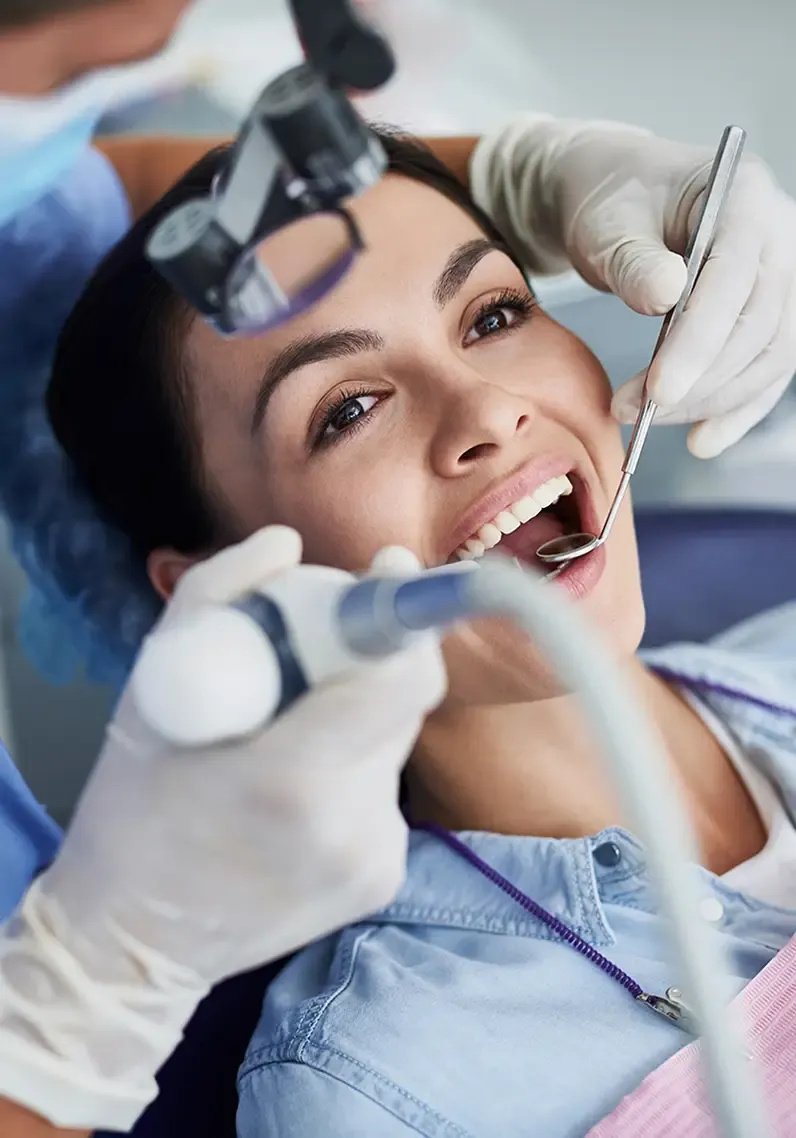
Immediate Dental Care in Willow Bend
Dental emergencies happen suddenly and often cause severe pain. This article explains why access to an emergency dentist in Willow Bend and Plano matters, what immediate care involves, and the urgent services offered by Dr Rudy Aldaragi DDS.
What Are Common Dental Emergencies in Willow Bend and Plano?
Emergencies result from accidents, infections or progressive dental disease. Common problems include severe toothache, knocked-out teeth, chipped or broken teeth, and dental abscesses — all require prompt care to control pain and prevent complications.
Recognising issues early speeds treatment and improves outcomes.
Common Dental Emergencies: Causes & Immediate Treatment
Dental caries, a bacterial disease of teeth characterized by destruction of enamel and dentine, is often the underlying cause of dental pain. When a carious lesion impinges on the dental pulp, pulpitis follows and, ultimately, necrosis of the pulp occurs. Untreated necrosis may lead to a localized abscess or a spreading infection into the surrounding soft tissue that results in cellulitis. Immediate treatment involves antibiotic therapy for cellulitis, perhaps with drainage of abscesses, while definitive treatment requires root canal therapy or extraction of the involved tooth. Pericoronitis is an inflammation of the soft tissue overlying a partially erupted tooth. Localized cases respond to irrigation. Secondary cellulitis can develop. Definitive treatment may require surgical extraction of the underlying tooth or excision of the gum flap. Avulsion of a permanent tooth secondary to trauma is a true dental emergency. The tooth should be reimplanted on the spot, and the patient should b
Common dental emergencies, 2003
Which Urgent Dental Conditions Require Immediate Attention?

Some urgent dental issues need quick care. These include:
- Severe Toothache: May indicate deep decay or infection requiring evaluation.
- Knocked-Out Tooth: Quick, correct handling can allow reimplantation.
- Chipped or Broken Tooth: See a dentist to prevent infection and restore structure.
- Dental Abscess: An infection that can spread and needs prompt treatment.
Recognising these signs helps you get timely care.
Dental abscesses are serious — early treatment reduces the risk of spread and severe complications.
Understanding Acute Dental Abscess & Treatment
Dental abscess is a frequently occurring infectious process known to the health practice. The fate of the infection depends on the virulence of the bacteria, host resistance factors, and regional anatomy. Serious consequences arising from the spread of a dental abscess lead to significant morbidity and mortality. Acute dental abscess is polymicrobial, comprising of strict anaerobes, such as anaerobic cocci,Prevotella,Fusobacteriumspecies, and facultative anaerobes, such as viridans groupstreptococciand theStreptococcus anginosusgroup. Numerous novel, uncultivable and fastidious organisms have been identified as potential pathogens with the use of non-culture techniques. The majority of localized dental abscesses respond to surgical treatment while the use of antimicrobials is limited to severe spreading infections.
Dental abscess: A microbiological review, 2013
How to Recognize Signs of Severe Toothache, Knocked-Out Teeth, and Other Emergencies
Watch for persistent severe pain, swelling, fever or temperature sensitivity. A knocked-out tooth is obvious from bleeding and a visible gap; chipped or broken teeth often cause sharp pain. If you notice these signs, contact an emergency dentist immediately.
What Should You Do During a Dental Emergency in Plano?
Knowing basic steps can reduce pain and limit damage and will help you reach care faster.
How to Provide First Aid for Severe Toothache and Dental Trauma

Rinse with warm salt water to ease inflammation and use OTC pain relief as directed. For a knocked-out tooth, hold it by the crown, rinse briefly and try to reinsert it; if that’s not possible, keep the tooth moist in milk or saline and see a dentist right away.
Public education on trauma first aid is important because prompt action improves outcomes.
Dental Trauma First Aid: The Need for Education
1. In view of the widespread lack of knowledge of first aid procedures in cases of dental trauma, this article describes the current state of knowledge and highlights the need for education of those likely to witness or be victims of dental trauma while practising sports. Dental and oral injuries, the commonest type of orofacial injuries, are often sustained by athletes playing contact sports; indeed, they represent the most frequent type of sporting injury. Studies of a large group of children and adults have shown that as many as 31% of all orofacial injuries are caused by sporting activities. Furthermore, current literature on the subject emphasizes that awareness of appropriate triage procedures following dental trauma is unsatisfactory. Delay in treatment is the single most influential factor affecting prognosis.
First aid for dental trauma caused by sports activities: state of knowledge, treatment and prevention, K Emerich, 2010
What Are Step-by-Step Actions for Knocked-Out, Chipped, or Broken Teeth?
If a tooth is knocked out, follow these steps:
- Retrieve the Tooth: Handle by the crown only.
- Rinse: Gently remove dirt; do not scrub the root.
- Reinsert: If possible, place the tooth back in the socket.
- Keep Moist: If you cannot reinsert, store the tooth in milk, saline, or saliva and see a dentist immediately.
For chipped or broken teeth, avoid chewing on that side and see a dentist so the tooth can be repaired and the infection risk reduced.
Following guideline steps for fractured and avulsed teeth improves the chance of saving them.
First Aid for Fractured & Knocked-Out Teeth
If teeth are fractured, seek immediate dental help and avoid hot or cold liquids and foods. If a permanent tooth is knocked out and found, immediate reimplantation can be attempted but the tooth should be held by the crown and contact with the root should be avoided and no attempt should be made to physically clean or disinfect the tooth. Reimplantation should not be attempted for primary teeth, or if there is any doubt concerning the medical history of the individual. Otherwise, the tooth should be placed in a container of saliva, cold milk or contact lens soaking solution or, if available, Hank’s balanced salt solution and taken to a dentist.
First Aid for Traumatised Front Teeth, 2018
Why Choose Dr. Rudy Aldaragi DDS for Emergency Dental Care in Willow Bend, Plano?
Choosing the right provider matters in an emergency. Dr Rudy Aldaragi DDS offers focused emergency care to address urgent problems quickly and reduce pain.
What Makes Our Emergency Dental Services Reliable and Accessible?
The practice keeps flexible hours and prioritises fast response times so patients receive prompt care when needed.
How Does Our Experienced Team and Advanced Technology Ensure Effective Care?
Dr Rudy Aldaragi and the team combine experience with modern technology to provide efficient, patient-centred care that reduces stress during urgent visits.
Which Emergency Dental Treatments Are Available at Dr. Rudy Aldaragi DDS?
The practice offers a range of emergency options so patients can get appropriate care during a crisis.
What Procedures Do We Offer for Urgent Dental Needs Like Root Canals and Crowns?
We provide root canal therapy for infected teeth and crowns to restore damaged teeth — both aim to preserve natural tooth structure when possible.
How Do We Handle Lost Fillings, Dental Abscesses, and Other Emergencies?
Lost fillings, abscesses and infections are treated promptly; options include re-cementing restorations, draining abscesses, antibiotics for spreading infection, or definitive care such as root canal or extraction when required.
How Can Patients Access Immediate Dental Help in Willow Bend and Plano?
Clear access options speed care when time matters. Contacting an emergency dental provider directly is usually the most effective route.
What Are Our Appointment Scheduling and On-Call Services?
We offer flexible scheduling and on-call availability during extended hours to accommodate urgent needs.
Which PPO Dental Insurance Plans and Flexible Financing Options Do We Accept?
The practice accepts many PPO plans and offers flexible financing to reduce financial barriers to emergency care.
Improving access increases timely use of emergency services.
Overcoming Barriers to Emergency Dental Care
Addressing the many confounding barriers to oral care is challenging and requires understanding of older adults lifelong health belief systems, economic status, physical changes, confounding health conditions, and ease of access to comprehensive and emergency oral health services. Reducing a single barrier can positively impact older adults’ utilization of care and improve the general and oral health of older adults.
Barriers to access to dental care, 2022
Frequently Asked Questions
1. What should I do if I have a dental emergency while traveling?
If you have a dental emergency while travelling, seek care from a local dentist or the emergency department if necessary. Use online listings or dental apps to find nearby services and, if possible, contact your regular dentist for interim advice.
2. How can I identify if my dental issue is an emergency?
Severe pain, swelling, bleeding or a knocked-out tooth indicate an emergency. If you have these signs, seek immediate dental care to avoid complications.
3. Are there any specific precautions to take after a dental emergency?
Follow your dentist’s post-treatment instructions — this may include prescribed medicines, dietary limits and focused oral hygiene. Book a follow-up to confirm healing.
4. What types of dental emergencies are more common in children?
Children commonly experience knocked-out teeth, fractures from falls or sports injuries. Teach safety and use mouthguards to reduce risk.
5. How can I prepare for a dental emergency in advance?
Keep emergency contacts (your dentist and local emergency dental services), learn basic dental first aid, and consider a kit with gauze, a cold pack and pain relief.
6. What are the costs associated with emergency dental care?
Costs vary by treatment, location and insurance. Many practices offer payment options or financing — ask about pricing and coverage before treatment when possible.
7. Can I prevent dental emergencies with regular dental visits?
Yes. Regular visits help detect and treat issues like cavities or gum disease early, reducing the risk of sudden problems.
What Is Considered a Dental Emergency and When Should You Seek Care?
A dental emergency needs immediate attention to ease severe pain, prevent further damage or treat infection. If you have intense pain, trauma or signs of infection, seek care promptly.
Can Emergency Rooms Treat Dental Emergencies or Should You See a Dentist?
Emergency departments can offer temporary relief but usually cannot provide definitive dental treatment. For best outcomes, see a dentist who handles emergency care.
Specialised dental services are better equipped to manage urgent oral health needs.
Dental Emergency Department Visits & Common Conditions
BACKGROUND: The number and cost of dental-related visits to Emergency Departments (ED) is a significant issue nationwide. A better understanding of the treatment provided to ED patients presenting with dental complaints and community dental resources is needed. METHODS: A three-tiered approach included: 1) a 12-month retrospective chart review for dental-related ICD-9 visit codes at an urban academic ED in Kansas City; 2) surveys of 30 providers at the same ED regarding the dental patient process and treatment; and 3) telephone surveys of 16 Kansas City area safety net clinics regarding service access. RESULTS: Out of 49,276 ED visits, 676 were related to dental conditions (70 were repeat dental ED visits). Most patients were female (54%), white (45%), age 20-39 (65%), and self-pay (56%). The most prevalent codes utilized were dental disorder not otherwise specified (NOS; 57%), periapical abscess (22%), and dental caries NOS (15%). Nearly all providers (97%) felt comfort
Dental-related emergency department visits and community dental care resources for emergency room patients, 2015
Conclusion
Knowing the signs of dental emergencies and how to respond improves your chances of a good outcome. Dr Rudy Aldaragi DDS provides swift, effective emergency dental care in Willow Bend and Plano to meet urgent needs. By learning common issues and acting quickly, you can protect your dental health. Contact our team today for immediate help and peace of mind during a dental crisis.