

Mastering Dental Implants Guide
Dental implants replace missing teeth so you can chew, speak and smile with confidence. This guide gives clear, practical information on preparation, implant stages, healing, aftercare and cost to help you plan treatment and reduce anxiety.
What is the Dental Implant Procedure and How Does It Work?
The procedure places a titanium post into the jawbone as an artificial root that supports a crown, bridge or denture and helps limit bone loss after extraction.
What Are Dental Implants and Their Benefits?
Dental implants are biocompatible artificial roots (usually titanium) that hold restorations. Key benefits include:
- Natural Appearance: Look and function like natural teeth.
- Durability: With good care, implants last many years.
- Bone Preservation: They stimulate the jawbone and reduce bone loss.
Together, these features make implants a dependable long-term tooth-replacement option.
Who is a Candidate for Dental Implant Surgery?
Typical candidates have:
- Good Oral Health: Healthy gums and adequate bone for stability.
- Non-Smoking Status or Willingness to Quit: Smoking impairs healing and raises risk.
- Commitment to Oral Hygiene: Ongoing care and follow-up are essential.
A consultation will confirm whether implants suit your health and goals.
How Should You Prepare for Dental Implant Surgery?
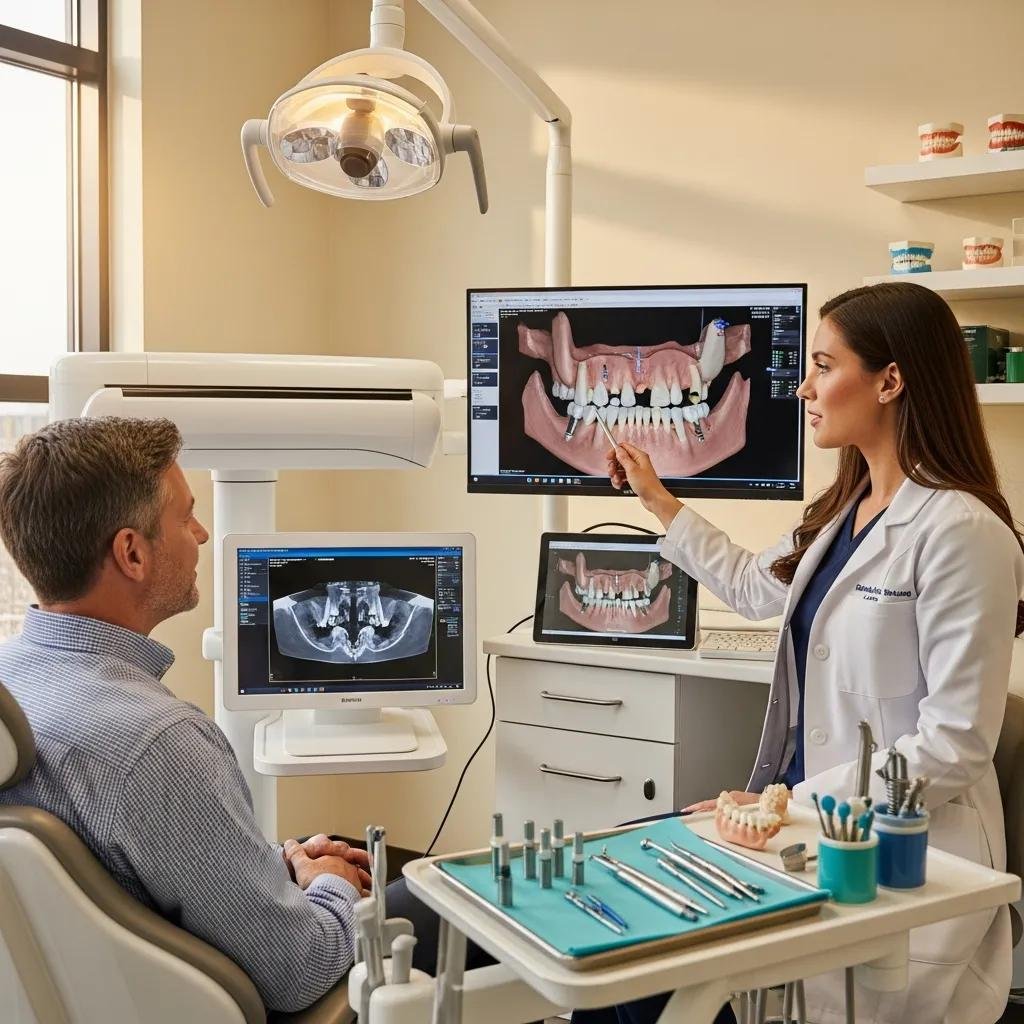
Prepare in advance to improve comfort and outcomes; follow your dentist’s instructions and arrange practical details.
What Pre-Operative Steps Are Required Before Implant Placement?
Before surgery you should:
- Schedule a Consultation: Review medical and dental history and goals.
- Undergo Imaging: X-rays or 3D scans assess bone and guide planning.
- Review Medications: Tell your dentist about all medications and follow their advice.
These steps let the team tailor the plan to your anatomy and health.
How to Plan for Implant Surgery in Plano Texas with Dr Rudy Aldaragi?
Planning includes:
- Scheduling Your Appointment: Contact the office to set a date.
- Transportation Arrangements: Arrange a ride if sedation is used.
- Pre-Surgery Instructions: Follow dietary and medication guidance.
Clear planning reduces stress and helps the visit run smoothly.
What Are the Step-by-Step Stages of the Implant Placement Process?
Placement follows stages designed to support healing and a stable result.
How is the Implant Surgery Performed?
The surgery typically includes:
- Anesthesia Administration: Local anesthesia is standard; sedation or general may be offered.
- Implant Placement: A titanium post is inserted into the jawbone at the planned position.
- Suturing: The gum is closed to promote healing around the implant.
Procedure time is commonly one to two hours, depending on complexity.
What Happens During Bone Grafting and Implant Placement?
Bone grafting rebuilds jaw volume when needed so an implant can integrate successfully later.
- Bone Graft Procedure: Bone material is added to create a secure base.
- Healing Period: The graft needs time (often several months) to integrate before implant placement.
Bone grafting is a common step to improve long-term success.
What is the Dental Implant Recovery Timeline and Healing Process?
Recovery varies but follows predictable phases.
What to Expect During the Healing and Osseointegration Phases?
After surgery, expect:
- Initial Healing: Swelling and some discomfort for a few days.
- Osseointegration: Bone bonds to the implant over roughly 3–6 months.
Follow your dentist’s aftercare instructions to support healing and osseointegration. Osseointegration describes the biological process by which bone bonds to the implant surface.
Dental Implant Osseointegration: Cellular Healing Process
is to visualise the molecular and cellular events during the healing of an osseous wound after installation of a dental implant with special emphasis on the process of osseointegration.
Osseointegration–communication of cells, 2012
The bone-to-implant connection is the foundation of implant success and provides a stable base for the replacement tooth.
Osseointegration: Key to Successful Dental Implant Therapy
Osseointegration has proven to be a biologically sound foundation for contemporary dental implant therapy. Its success is dependent on principle-driven clinical procedures. Important observations have been made at cellular and macroscopic levels regarding osseointegration at the earliest stages of bone healing to the later stages of bone formation and remodeling.
Osseointegration—the biological reality of successful dental implant therapy: a narrative review, LF Cooper, 2022
The term osseointegration, coined by Professor P.I. Brånemark, describes the direct structural link between living bone and the implant surface, restoring function and improving quality of life.
Osseointegration: Dental Implants for Function & Quality of Life
Osseointegrated implants are frequently used in reconstructive surgery, both in the dental and orthopedic field, restoring physical function and improving the quality of life for the patients. The term osseointegration, meaning a direct structural connection between living bone and an implant surface, was coined by Professor P.I. Brånemark.
A multiscale analytical approach to evaluate osseointegration, A Palmquist, 2018
How Long Does Recovery Take and What Are the Milestones?
The timeline typically includes:
- First Week: Major swelling and initial discomfort usually subside.
- 3–6 Months: Osseointegration occurs and the implant stabilizes.
- Follow-Up Appointments: Regular visits monitor healing and plan the final restoration.
These milestones help you plan activities and schedule follow-up care.
What Are Essential Dental Implant Aftercare Tips for Optimal Healing?
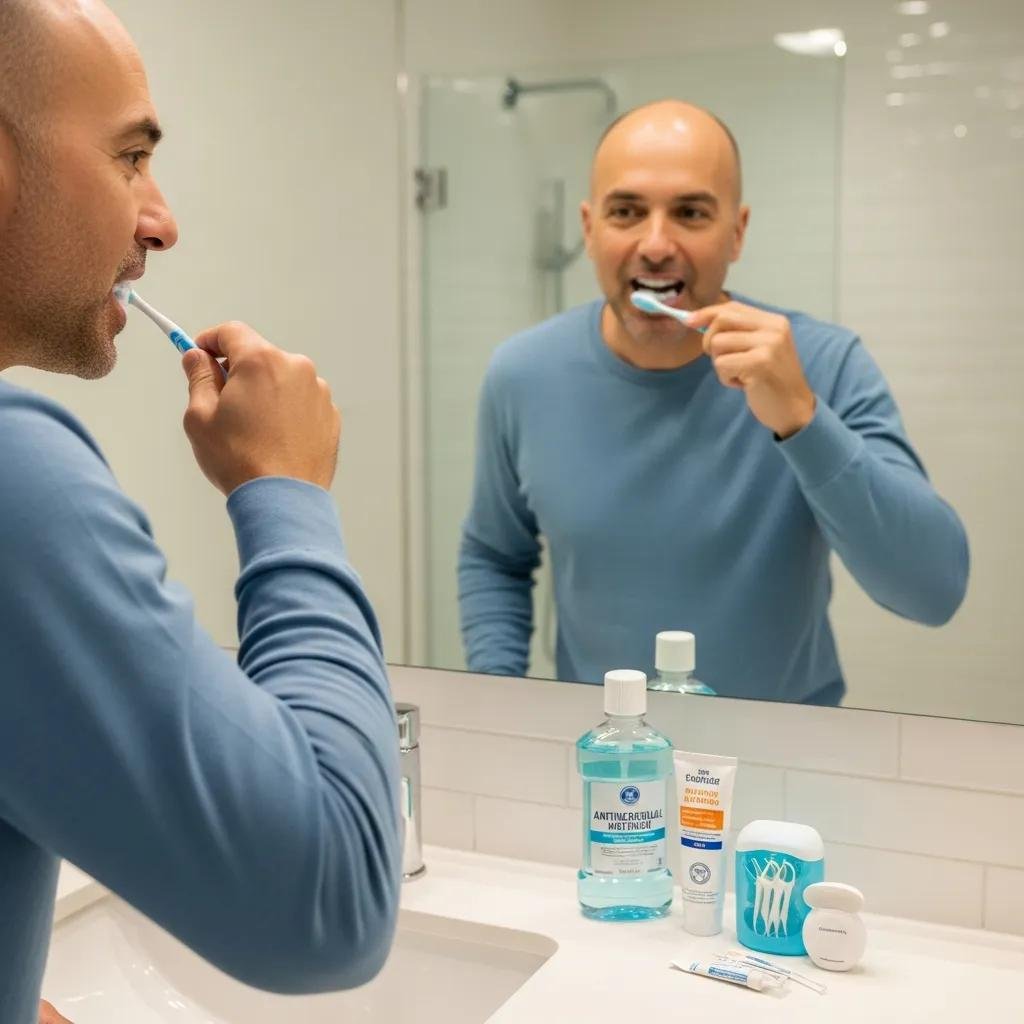
Good aftercare reduces complications and supports long-term implant health. Follow these proven steps.
How to Manage Pain and Prevent Complications After Surgery?
To manage pain and lower complication risk, patients should:
- Take Prescribed Medications: Use as directed.
- Apply Ice Packs: Reduce swelling in the first 24–48 hours.
- Avoid Strenuous Activities: Rest during early recovery.
These measures ease discomfort and support healing through careful wound care and pain control.
Managing Post-Operative Pain & Healing in Dental Implant Surgery
Although dental implant placements have high success rates and a low incidence of morbidity, post-operative pain and complications with the healing process have been reported. There is little guidance available regarding optimal pre- and post-operative management of dental implant placement. This first paper discusses the mechanisms of pain associated with dental implant placement and offers guidance to clinicians on optimal pre- and post-operative pain management regimes.
Pre-and post-operative management of dental implant placement. Part 1: management of post-operative pain, 2014
Careful planning and attentive post-operative care are the best ways to reduce complications and protect your implant investment.
Dental Implant Complications: Prevention & Post-Operative Care
However, the success of dental implant therapy is contingent upon the meticulous planning, precise execution, and comprehensive post-operative care. Despite advancements in implant technology and surgical techniques, complications can arise, jeopardizing the overall outcome of the treatment. Various complications associated with dental implants, encompassing both early and late post-operative issues have been reported.
COMPLICATIONS AND SOLUTION SUGGESTIONS BEFORE AND AFTER TREATMENT IN DENTAL IMPLANOLOGY, 2023
What Patient Instructions Support Successful Implant Recovery?
Patients should follow these concise instructions:
- Maintain Oral Hygiene: Gently brush and rinse as directed to keep the site clean.
- Follow Dietary Guidelines: Eat soft foods and avoid hard or crunchy items while healing.
- Attend Follow-Up Visits: Regular check-ups let the dentist monitor progress and address issues early.
These steps help prevent infection and support steady healing, reducing biological complications and supporting implant survival.
Essential Dental Implant Maintenance & Aftercare Protocols
As increasing number of dental implants are being placed in the general population, the need to develop a maintenance protocol that caters to the needs of the patients has become essential. Historically, dental implants were predominantly placed in the early edentulous population; however, the shift of placements to the wider population means that a patient-focused approach to peri-implant maintenance therapy (PIMT) and the effect this has on biological complications and implant survival need to be considered.
Implant Maintenance and Aftercare, 2024
What Are the Cost Considerations for Dental Implants in Plano Texas?
Costs vary by case; understanding common cost drivers helps you budget and compare options.
What Factors Influence the Price of Dental Implant Procedures?
Common factors include:
- Material Quality: Higher-quality materials can increase cost.
- Surgical Complexity: Bone grafts, sinus lifts or multiple implants raise the price.
- Geographic Location: Regional pricing differences affect total expense.
Consider these factors when estimating the total cost.
Are There Financing Options Available at Rudy Aldaragi DDS?
Rudy Aldaragi DDS offers ways to manage costs. Patients can explore:
- Payment Plans: Spread payments over time.
- Insurance Partnerships: Some insurance may cover portions of treatment.
- Financial Assistance: Ask the office about available programs.
These options can make implants more affordable and easier to plan for.
Frequently Asked Questions
What is the difference between dental implants and dentures?
Implants are permanent fixtures anchored in bone for crowns or bridges; dentures are removable and sit on the gums. Implants usually offer better function, comfort and preserve jawbone health.
How do I choose the right dentist for my dental implant procedure?
Choose a dentist with implant experience, appropriate qualifications and positive patient reviews; book a consultation to discuss approach and feel confident in communication and care.
What lifestyle changes should I consider after getting dental implants?
Maintain excellent oral hygiene, avoid smoking during healing, eat nutritious foods and attend regular check-ups to support recovery and long‑term success.
Can dental implants be used for people with diabetes?
People with diabetes may be candidates if their condition is well managed; good blood sugar control improves healing and reduces complications.
What should I expect during the follow-up appointments after implant surgery?
Follow-ups monitor healing, check for infection, assess the surgical site and may include X-rays to confirm bone integration; the dentist will plan next steps toward the final restoration.
Are there age restrictions for getting dental implants?
There are no strict age limits, though jaw development should be complete (usually around age 18). Older adults in good health can also be suitable candidates after evaluation.
Conclusion
Dental implants provide a reliable, natural-looking solution for replacing missing teeth while supporting jawbone health. Understanding the procedure and following aftercare are key to long-term success—speak with a dental professional to explore options and schedule a consultation.