
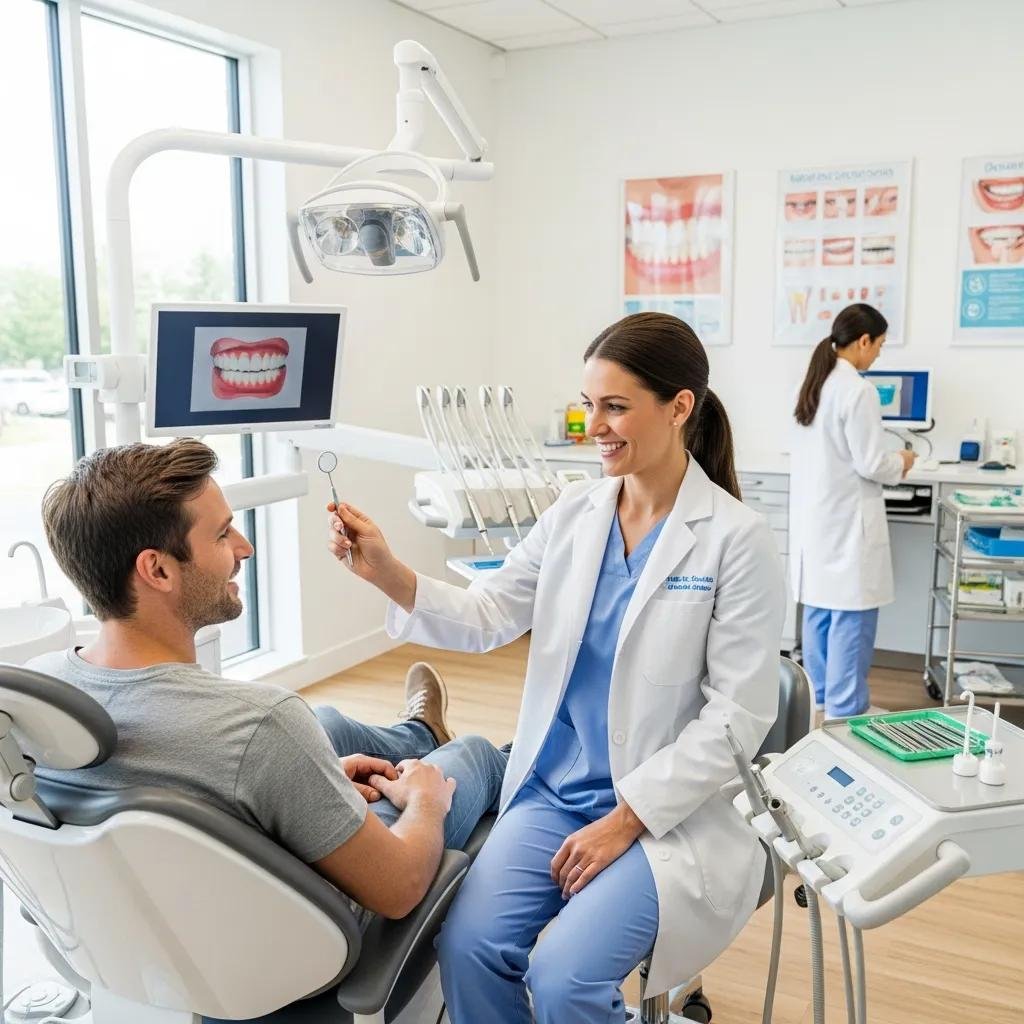
Dental FAQs in Plano TX: Answers to Your Common Dental Questions for Better Oral Health
Maintaining good oral health is essential for overall well-being, yet many individuals have questions about dental care. This article aims to address common dental inquiries, providing valuable insights into maintaining oral health and understanding dental procedures. By exploring frequently asked questions, we can empower readers with knowledge that enhances their dental experiences. This guide will cover essential topics, including the frequency of dental visits, daily care routines, handling dental emergencies, available treatments, and managing dental anxiety.
What are the most common dental questions asked by Plano residents?
Residents of Plano often seek clarity on various dental topics, reflecting their desire for better oral health. Addressing these questions can significantly improve their understanding and management of dental care. Here are some of the most common inquiries:
- How often should I visit a Plano dentist for check-ups?
- What are the typical dental procedures offered in Plano clinics?
How often should I visit a Plano dentist for check-ups?
Regular dental check-ups are crucial for maintaining oral health. Most dentists recommend visiting at least once every six months for routine examinations and cleanings. These visits allow for early detection of potential issues, such as cavities or gum disease, which can be treated more effectively when caught early. Additionally, regular check-ups help in maintaining optimal oral hygiene and preventing more severe dental problems in the future.
What are the typical dental procedures offered in Plano clinics?
Plano dental clinics offer a variety of procedures to cater to different needs. Common services include:
- Preventive Care: Routine cleanings, fluoride treatments, and sealants to prevent cavities.
- Restorative Procedures: Fillings, crowns, bridges, and root canals to restore damaged teeth.
- Cosmetic Dentistry: Teeth whitening, veneers, and bonding to enhance the appearance of smiles.
Understanding these procedures can help patients make informed decisions about their dental care.
How can I maintain good oral health with expert tips from Plano dentists?
Maintaining good oral health involves a combination of daily care routines and dietary choices. Plano dentists emphasize the importance of proactive measures to ensure long-lasting dental health. Here are some expert tips:
- What daily dental care routines do Plano dentists recommend?
- Which foods and habits support healthy teeth and gums?
What daily dental care routines do Plano dentists recommend?
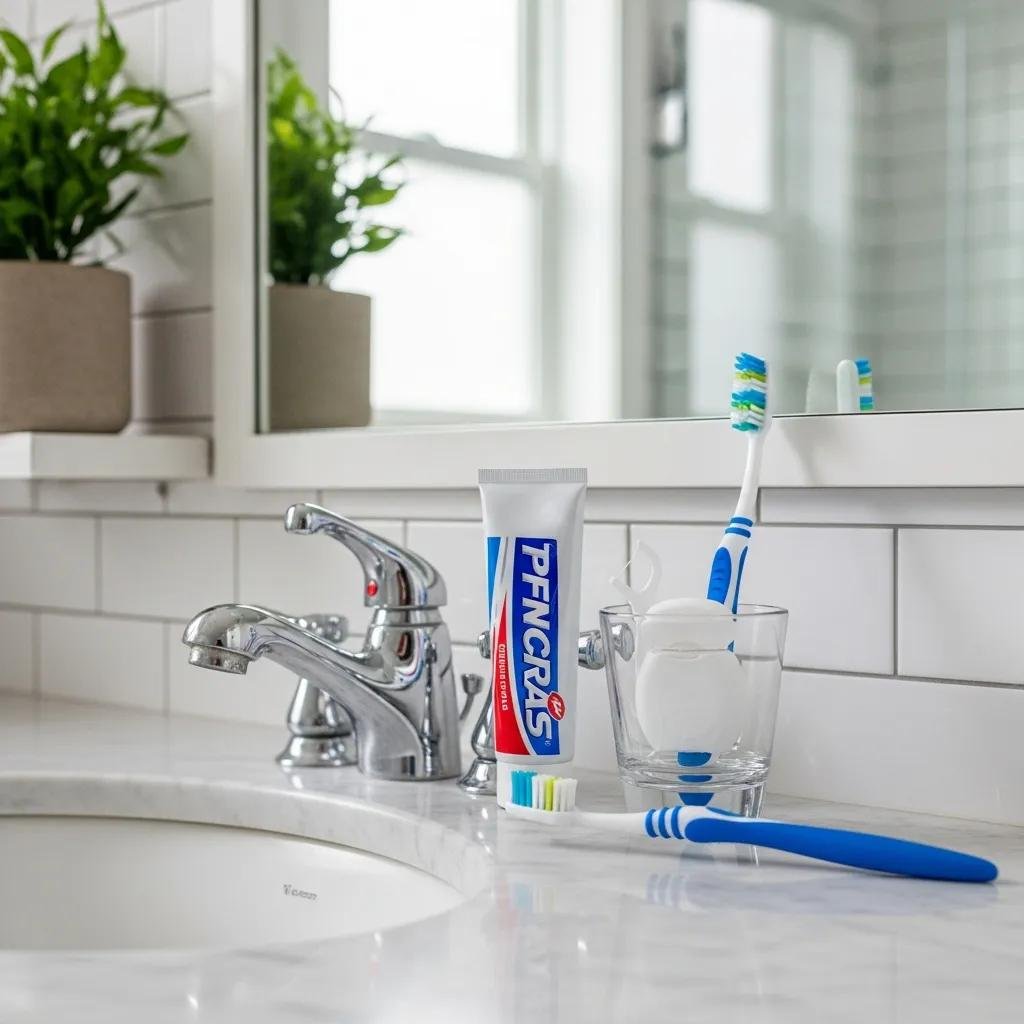
Daily dental care routines are essential for preventing cavities and gum disease. Dentists recommend the following practices:
- Brushing: Brush your teeth at least twice a day with fluoride toothpaste to remove plaque and food particles.
- Flossing: Floss daily to clean between teeth and under the gumline, where a toothbrush cannot reach.
- Mouthwash: Use an antimicrobial or fluoride mouthwash to help reduce plaque and prevent gum disease.
These routines, when practiced consistently, can significantly improve oral health.
Which foods and habits support healthy teeth and gums?
Diet plays a crucial role in oral health. Certain foods and habits can promote strong teeth and healthy gums:
- Dairy Products: Cheese and yogurt are rich in calcium and phosphates, which strengthen tooth enamel.
- Fruits and Vegetables: Crunchy fruits and vegetables, like apples and carrots, help clean teeth and stimulate gums.
- Limit Sugary Snacks and Drinks: Reducing sugar intake can lower the risk of cavities and tooth decay.
Incorporating these dietary choices can enhance overall dental health.
What should I know about dental emergencies and urgent care in Plano?
Dental emergencies can occur unexpectedly, and knowing how to handle them is vital for preserving oral health. Here are key points to consider:
- How to handle common dental emergencies before seeing a Plano dentist?
- Where to find emergency dental care services in Plano TX?
How to handle common dental emergencies before seeing a Plano dentist?
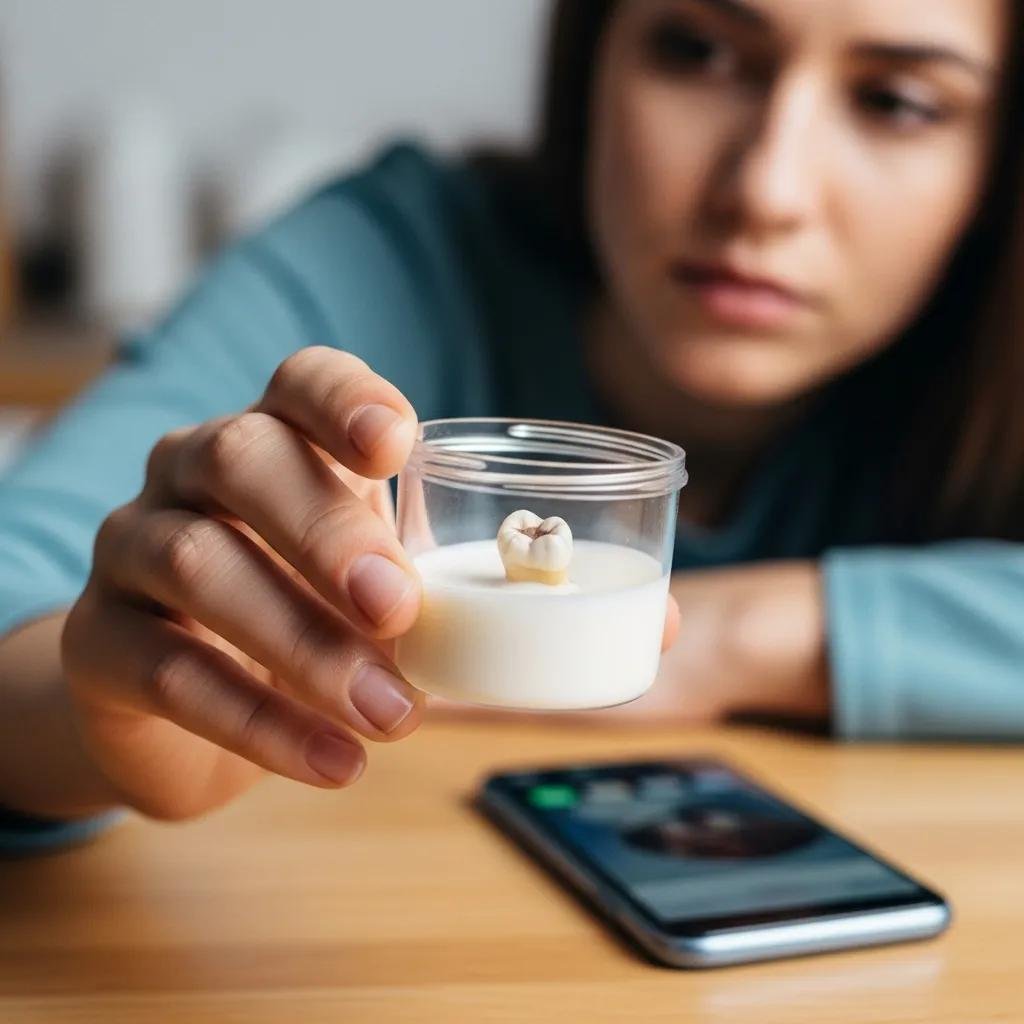
In the event of a dental emergency, immediate action can make a significant difference. Here are steps to take for common situations:
- Toothache: Rinse your mouth with warm salt water and take over-the-counter pain relievers as needed.
- Knocked-Out Tooth: Handle the tooth by the crown, rinse it gently with water (avoid scrubbing), and try to place it back in the socket if possible. If not, store it in milk or a tooth preservation solution and seek dental care immediately.
- Broken Tooth: Rinse your mouth and apply a cold compress to reduce swelling. Visit a dentist as soon as possible.
These initial steps can help manage pain and prevent further damage until professional help is available.
Where to find emergency dental care services in Plano TX?
In Plano, several dental clinics offer emergency services. It is advisable to have a list of local emergency dental providers handy. Many clinics provide after-hours care or have dedicated emergency lines to assist patients in urgent situations. Always check if your regular dentist offers emergency services or can refer you to a trusted provider.
What are the best dental care options and treatments available in Plano?
Understanding the various dental care options available can help patients make informed decisions about their oral health.
Here are some of the most effective treatments offered in Plano:
- What preventive dental treatments are offered by Plano dentists?
- Which cosmetic and restorative dental procedures are popular in Plano?
What preventive dental treatments are offered by Plano dentists?
Preventive dental treatments are essential for maintaining oral health and preventing future issues. Common preventive services include:
- Regular Cleanings: Professional cleanings help remove tartar and plaque buildup.
- Fluoride Treatments: These treatments strengthen tooth enamel and help prevent cavities.
- Dental Sealants: Sealants provide a protective barrier on the chewing surfaces of back teeth, reducing the risk of decay.
These preventive measures are crucial for long-term dental health.
Which cosmetic and restorative dental procedures are popular in Plano?
Plano dentists offer a range of cosmetic and restorative procedures to enhance smiles and restore function. Popular options include:
- Teeth Whitening: Professional whitening treatments can significantly brighten smiles.
- Veneers: Thin shells placed over teeth to improve appearance and correct imperfections.
- Crowns and Bridges: Restorative options that replace or cover damaged teeth, restoring function and aesthetics.
While these cosmetic procedures offer significant aesthetic benefits, it’s important for patients to be fully aware of the potential risks and considerations involved.
Cosmetic Dentistry: Balancing Aesthetic Desires with Dental Health Risks
Cosmetic dentistry has become increasingly popular, largely as a result of social trends and increased media coverage. This understandable desire for the alleged ‘perfect smile’ needs to be tempered with an appropriate awareness of the significant risks associated with invasive cosmetic procedures such as veneers and crowns. Patients need to be properly informed that elective removal of healthy enamel and dentine can result in pulpal injury and poorer periodontal health in the longer term, particularly if they are young. The duty of candour means that they ought to be informed that aggressive reduction of sound tooth tissue is not biologically neutral and results in structural weakening of their teeth.
Balancing the risks and benefits associated with cosmetic dentistry–a joint statement by UK specialist dental societies, A Alani, 2015
These treatments can greatly improve both the appearance and health of your teeth.
How do Plano dentists address dental anxiety and patient comfort?
Dental anxiety is a common concern for many patients, and Plano dentists are equipped to help manage this issue. Here are some strategies they employ:
- What sedation or pain management options are available in Plano?
- How do Plano dental offices create a comfortable patient experience?
What sedation or pain management options are available in Plano?
To help patients feel more at ease during procedures, many Plano dental offices offer various sedation options, including:
- Nitrous Oxide: Commonly known as laughing gas, it helps patients relax during treatment.
- Oral Sedation: Medication taken before the appointment to reduce anxiety.
- IV Sedation: For more complex procedures, this method provides deeper sedation under professional monitoring.
Understanding the broader implications of dental anxiety highlights why these management strategies are so crucial for patient well-being.
Understanding Dental Anxiety: Causes, Risks, and Management
Dental anxiety is a common condition that is associated with avoidance of dental treatment and increased medical and surgical risks [1]. As a physiological response to stressful conditions, it can generate heart rate and blood pressure increase, pallor, excessive sweating, dizziness and lead to a fight or flight response [1]. Dental anxiety is also one of the main factors that impairs dental treatment, thus representing a challenge to professional care [2,3].
Conscious sedation for the management of dental anxiety in third molar extraction surgery: a systematic review, M Melini, 2020
These options ensure that patients can receive necessary dental care without discomfort.
How do Plano dental offices create a comfortable patient experience?
Creating a welcoming environment is essential for reducing dental anxiety. Plano dental offices often focus on:
- Friendly Staff: Trained professionals who provide compassionate care and support.
- Comfortable Facilities: Modern, clean, and inviting spaces that help patients feel at ease.
- Patient Education: Clear communication about procedures and what to expect can alleviate fears.
These practices contribute to a positive dental experience, encouraging patients to seek regular care.