

Effortless Dental Bridges in Plano
Dental bridges replace missing teeth to restore function and appearance. This guide covers common bridge types, the placement process, expected costs, and basic care so you can decide confidently. In Plano, TX, Dr. Rudy Aldaragi DDS offers personalised guidance and compares bridges with implants where relevant.
What Is a Dental Bridge and How Does It Restore Missing Teeth?
A dental bridge is a fixed restoration that replaces one or more teeth by anchoring to nearby teeth or implants. It restores chewing and speech, improves your smile, and helps prevent neighbouring teeth from shifting while supporting jaw structure.
Definition and Purpose of Dental Bridges
Bridges use artificial teeth (pontics) supported by crowns on abutment teeth or by implant attachments to restore mouth function and preserve facial support and tooth alignment.
How Dental Bridges Improve Smile Aesthetics and Function
Filling gaps with a bridge improves appearance, chewing ability and often speech, which together increase patient satisfaction with function and aesthetics.
Patient Satisfaction with Dental Bridges: Function & Aesthetics
Dental bridges are one of the treatments for tooth loss cases. Evaluating patient satisfaction is essential to measure the success of treatments provided by dental students. This study aims to determine patient satisfaction with the dental bridges treatment provided by dental professional students at the Prosthodontics Polyclinic in terms of chewing, aesthetics and phonetics function, maintenance of the denture, and psychological aspects.
An Overview of Maryland Bridges and their Clinical Applications, M Ibrahim, 2022
Clinical studies commonly use patient satisfaction as a primary outcome when evaluating bridge treatments.
Patient Satisfaction with Dental Bridges: Function & Aesthetics
Dental bridges are one of the treatments for tooth loss cases. Evaluating patient satisfaction is essential to measure the success of treatments provided. This study aims to determine patient satisfaction with the dental bridges treatment in terms of chewing, aesthetics and phonetics function, maintenance of the denture, and psychological aspects.
The Level of Satisfaction Among Patients with Dental Bridges, A Kusumadewi, 2024
What Types of Dental Bridges Are Available in Plano?

Plano practices several bridge types; choosing depends on oral health, the number of missing teeth, and cosmetic goals.
Traditional and Fixed Dental Bridges Explained
Traditional bridges use crowns on teeth beside the gap and can be porcelain-fused-to-metal or all-ceramic for a natural look. Fixed bridges are cemented for a stable, long-term result.
Maryland, Cantilever, and Implant-Supported Bridges
Maryland bridges are resin-bonded to the backs of adjacent teeth with minimal preparation. Cantilever bridges attach to one supporting tooth. Implant-supported bridges anchor to dental implants and avoid altering adjacent teeth.
Resin-bonded options are a minimally invasive, predictable choice for selected cases.
Resin Bonded Bridges: Predictable, Minimally Invasive Tooth Replacement
In spite of problems, such as debonds, resin bonded bridges (RBBs) can be considered as minimally invasive, reversible, aesthetic and predictable restorations for fixed replacement of missing teeth in a general dental setup. Recommendations from literature about favourable prognostic factors should be understood and applied when planning RBBs. RBBs can be ideal restorations for fixed replacement of teeth if good survival rates can be achieved. Careful patient selection, treatment planning and meticulous attention to all the factors discussed will help to achieve successful restorations with long survival rates.
Predictability of resin bonded bridges–a systematic review, 2017
Maryland-style bridges require little enamel preparation and are applied to preserve tooth structure when appropriate.
Maryland Bridges: Types, Benefits & Clinical Applications
1. Resin bonded bridges are fixed prostheses that require little to no surgery and are held in place by composite resin cements. The “Maryland” bridge, which was made possible by the invention of the electrolytical etching method for nickel-chrome alloys, enabled the resin cement to undergo micromechanical adhesion to the metal surface. Their major advantage is that they require minimal, or at best, no tooth preparation. The preparation is usually kept within enamel which eliminates the need for local anesthesia during tooth preparation. When care is taken to maintain the margins of the Maryland bridges supragingivally, periodontal health is preserved. An additional advantage of the Maryland bridges is that in the event that a wing debonds, it is possible to rebond it after merely cleansing the wing and tooth. The most frequent issues with resin-bonded prostheses including debonding are cavities and three-tooth discoloration. There are two alternatives if a bridge
An Overview of Maryland Bridges and their Clinical Applications, M Ibrahim, 2022
Clinical summaries reinforce Maryland bridges as a low-prep aesthetic option in suitable cases.
Maryland Bridges: Minimal Prep, Aesthetic Tooth Replacement
Resin bonded bridges are fixed prostheses that require little to no surgery and are held in place by composite resin cements. The “Maryland” bridge, which was made possible by the invention of the electrolytical etching method for nickel-chrome alloys, enabled the resin cement to undergo micromechanical adhesion to the metal surface. Their major advantage is that they require minimal, or at best, no tooth preparation. The preparation is usually kept within enamel which eliminates the need for local anesthesia during tooth preparation. When care is taken to maintain the margins of the Maryland bridges supragingivally, periodontal health is preserved. An additional advantage of the Maryland bridges is that in the event that a wing debonds, it is possible to rebond it after merely cleansing the wing and tooth. The most frequent issues with resin-bonded prostheses including debonding are cavities and three-tooth discoloration.
What Does the Dental Bridge Procedure at Rudy Aldaragi DDS Involve?
The procedure follows predictable steps to deliver a custom restoration suited to your needs.
Step-by-Step Overview of the Dental Bridge Placement
After an exam and consultation, Dr. Rudy Aldaragi DDS reviews options and prepares abutment teeth by reducing enamel for crowns or plans implants when needed. Impressions are taken and a temporary bridge is often placed while the final restoration is fabricated.
Recovery and Aftercare Guidelines for Dental Bridges
Mild discomfort after placement is common and can be managed with over-the-counter pain relief. Maintain excellent oral hygiene, avoid very hard or sticky foods for several days, and attend follow-up visits to check fit and comfort.
How Much Do Dental Bridges Cost in Plano and What Financing Options Exist?
Bridge costs in Plano vary by type, materials, and case complexity. Discuss fees during consultation for an accurate estimate.
Factors Influencing Dental Bridge Cost in Plano
Costs depend on materials (porcelain, metal, or both), how many teeth are replaced, and any additional treatment such as extractions or gum care.
Insurance Acceptance and Flexible Payment Plans at Rudy Aldaragi DDS
Dr. Rudy Aldaragi DDS accepts most PPO plans and offers flexible financing to help manage treatment costs. Review insurance and payment options during your visit.
Dental Bridges vs. Dental Implants: Which Is the Best Solution for Missing Teeth?
Patients weigh bridges against implants depending on oral health, timeline, and preferences. Bridges are typically less invasive and faster, while implants are more permanent and do not rely on adjacent teeth.
Reviewing cost-effectiveness and long-term outcomes with your dentist will help determine the best option for you.
Dental Implants vs. Bridges: Cost-Effectiveness Analysis
Cost-effectiveness analysis can lend insight to health economics, effectiveness and cost-effectiveness of the dental implants vs. conventional fixed bridges in patients with one single missing tooth.
Cost‐effectiveness modeling of dental implant vs. bridge, 2009
Choosing the Right Restorative Option for Your Needs
Your dentist will advise based on how many teeth are missing, the condition of adjacent teeth, bone health, and your lifestyle. A consultation with Dr. Rudy Aldaragi DDS clarifies the best plan for your goals.
How Can You Care for Your Dental Bridge to Ensure Longevity?
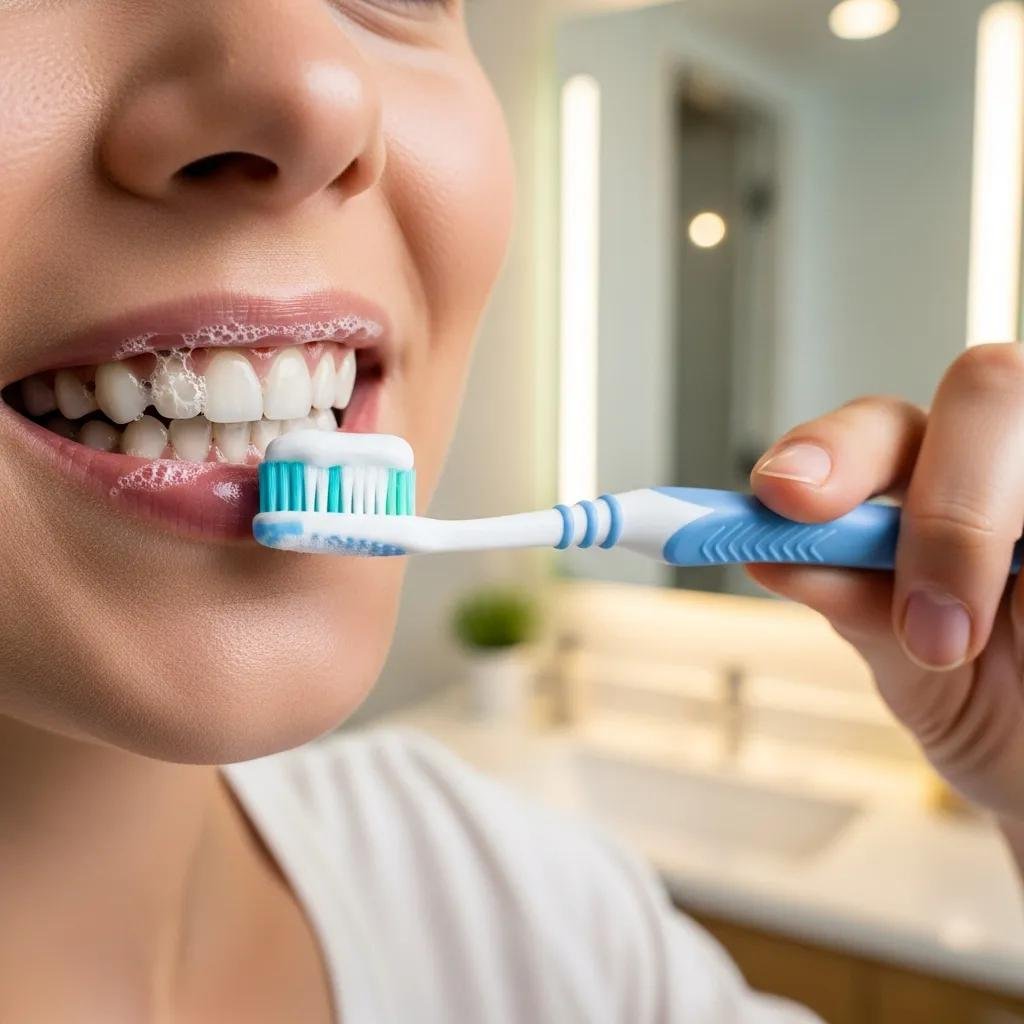
Proper care extends the life of your bridge and keeps surrounding teeth and gums healthy.
Oral Hygiene Practices for Maintaining Dental Bridges
Brush twice daily and floss around the bridge each day. An antibacterial mouthwash can reduce plaque and lower gum disease risk.
Regular Dental Check-Ups and Dietary Considerations
Attend regular check-ups so your dentist can monitor fit and oral health. Avoid very hard or sticky foods that may damage the restoration.
| Type of Bridge | Description | Cost Range |
|---|---|---|
| Traditional Bridge | Fixed restoration using crowns on adjacent teeth | $1,000 – $3,000 |
| Maryland Bridge | Less invasive, bonded to back of adjacent teeth | $1,000 – $2,500 |
| Cantilever Bridge | Supported by one adjacent tooth | $1,000 – $3,000 |
| Implant-Supported Bridge | Anchored to dental implants | $3,000 – $5,000 |
Knowing the main types and approximate costs helps you plan. Dr. Rudy Aldaragi DDS can provide personalised recommendations based on oral health and budget.
Dental bridges are an effective, reliable option to replace missing teeth and restore both function and appearance. Understanding types, the placement process, and likely costs will help you decide with confidence. Dr. Rudy Aldaragi DDS in Plano provides personalised care to help you achieve a healthy, attractive smile.
Frequently Asked Questions
1. What are the main differences between dental bridges and dentures?
Bridges are fixed restorations anchored to teeth or implants and feel more permanent. Dentures are removable and can replace many teeth but may require adjustments. Your dentist will recommend the best option for your needs.
2. How can I tell if my dental bridge needs to be replaced?
Persistent discomfort, visible damage, changes in fit, or food trapping under the bridge are signs to see your dentist. Regular checks help catch issues early.
3. Are there any dietary restrictions after getting a dental bridge?
Avoid very hard or sticky foods for a few days after placement. After healing, most patients return to a normal diet while maintaining good oral hygiene.
4. Can I get a dental bridge if I have a missing tooth that is not adjacent to other teeth?
Yes. An implant-supported bridge can replace a tooth that is not adjacent to other natural teeth. Your dentist will assess bone health and suitability for implants.
5. How does the cost of dental bridges compare to dental implants?
Bridges generally cost less upfront than implants, though implants can be a longer-term solution. Discuss budget and goals with your dentist to decide.
6. What is the process for getting a dental bridge?
The process typically includes an exam and impressions, preparation of abutment teeth or planning implants, placement of a temporary bridge if needed, and final cementation with follow-up visits to confirm fit.
7. Can dental bridges affect my speech?
Some patients notice brief speech changes after placement, but most adapt within days. If issues persist, your dentist can adjust the restoration.
Conclusion
Dental bridges replace missing teeth to restore function and appearance. Understanding types, procedures, and likely costs helps you choose the right solution. Dr. Rudy Aldaragi DDS in Plano offers personalised care—schedule a consultation to explore your options.