
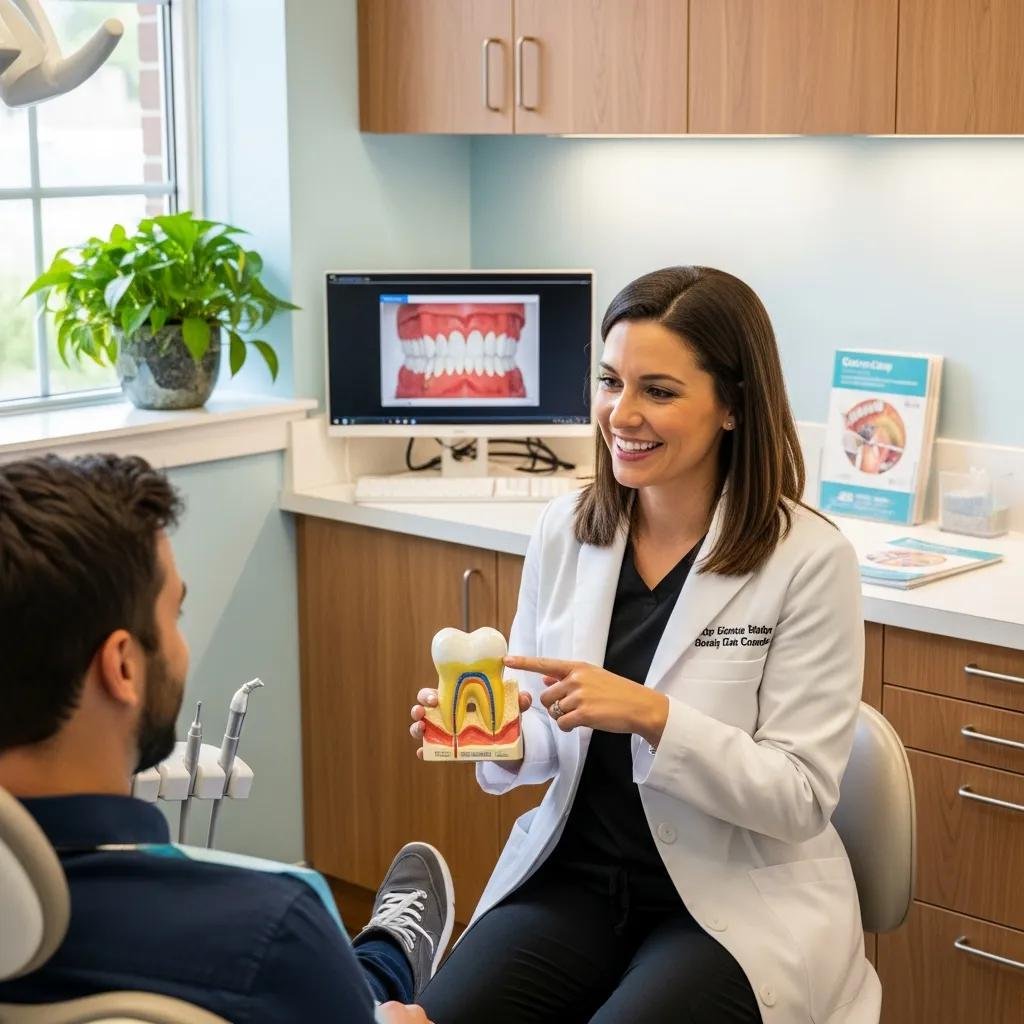
Complete Glossary of Common Dental Terms: Essential Dental Terminology List for Patients
Understanding dental terminology is crucial for patients seeking to navigate their oral health effectively. This comprehensive glossary provides essential definitions and explanations of common dental terms that every patient should know. By familiarizing yourself with these terms, you can enhance your communication with dental professionals and make informed decisions about your dental care. Many patients find themselves confused by the jargon used in dental offices, which can lead to misunderstandings about procedures and treatments. This article aims to demystify dental terminology, offering clarity and confidence in your dental visits. We will cover key dental terms, the impact of dental procedures on oral health, important materials and tools, dental hygiene terms, insurance terminology, and frequently asked questions about dental terms.
Research consistently highlights the critical role of clear communication in dental settings, underscoring how patient comprehension of terminology directly impacts their health decisions and overall experience.
Patient Understanding of Dental Terminology & Health Outcomes
Patients had a varied understanding of terminology. Incorrect interpretation of words may lead to ill-informed decision-making or unnecessary concern. It is essential that challenging terminology is identified and explained at an understandable level.
Commonly used terminology in oral surgery and oral medicine: the patient’s perspective, 2021
What Are the Most Common Dental Terms Every Patient Should Know?
Dental terminology can often seem overwhelming, but understanding the basics can significantly improve your experience at the dentist. Here are some of the most common dental terms that every patient should be familiar with:
- Cavity: A cavity is a decayed area of a tooth caused by bacteria that produce acid, leading to tooth decay. Regular dental check-ups can help detect cavities early.
- Root Canal: This procedure involves removing the infected pulp from inside a tooth and sealing it to prevent further infection. It is often necessary when a cavity has progressed deeply or the pulp is infected.
- Crown: A crown is a cap placed over a tooth to restore its shape, size, and strength, often used after a root canal or to protect a weak or damaged tooth.
- Filling: A filling is a material used to restore the function and integrity of a tooth that has been damaged by decay. Common materials include amalgam, composite resin, and gold.
Following this introduction to common dental terms, it is essential to understand the basic dental anatomy terms that relate to oral health.
Understanding Basic Dental Anatomy Terms for Oral Health
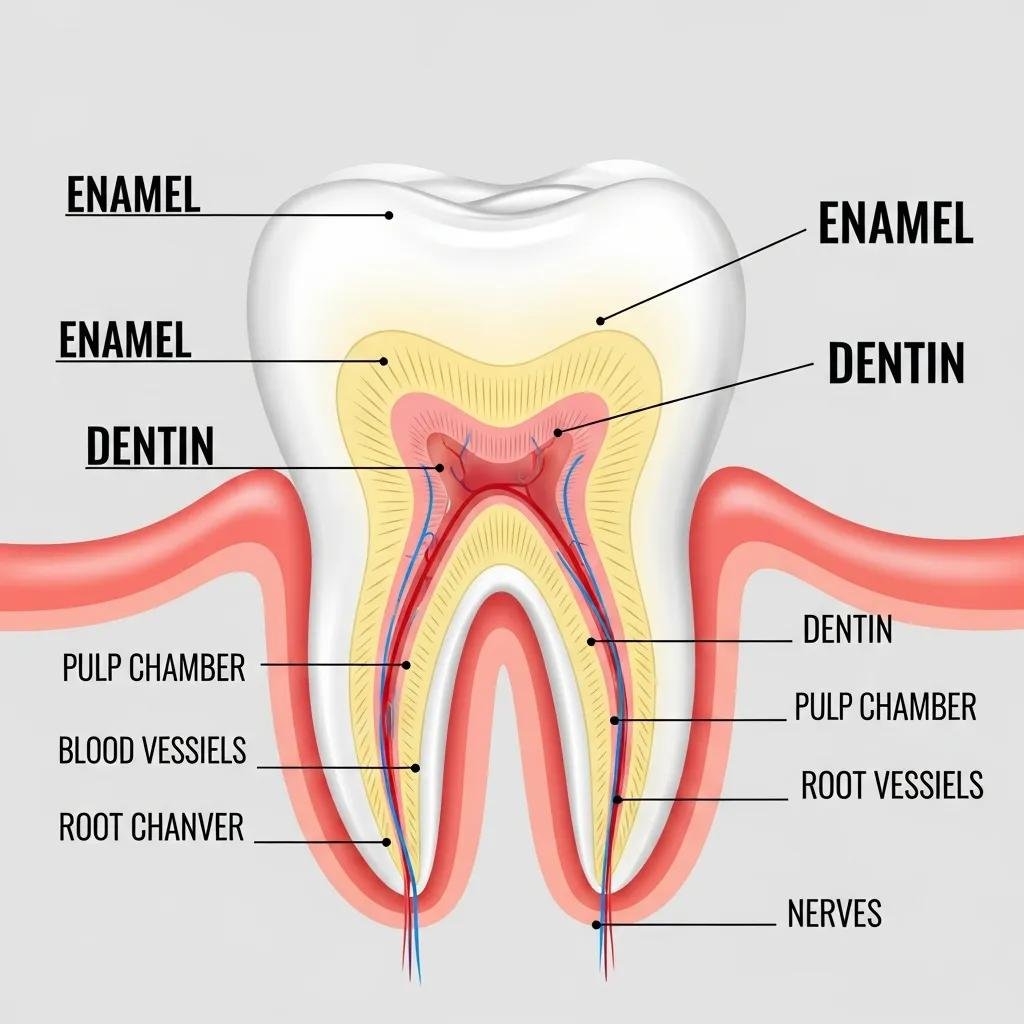
Basic dental anatomy terms are foundational for understanding how your mouth functions. Here are some key terms:
- Enamel: The hard, outer layer of a tooth that protects it from decay. It is the hardest substance in the human body.
- Dentin: The layer beneath the enamel that makes up the bulk of the tooth. It is sensitive and can be affected by decay.
- Pulp: The innermost part of the tooth containing nerves and blood vessels. It is vital for the tooth’s health and vitality.
- Gums: The soft tissue that surrounds and supports the teeth. Healthy gums are crucial for overall oral health.
These terms provide a basic understanding of dental anatomy, which is essential for discussing dental procedures and treatments.
Key Dental Procedure Definitions Explained Simply
Understanding dental procedures can help alleviate anxiety and improve communication with your dentist. Here are some key definitions:
- Extraction: The removal of a tooth, often due to decay, damage, or overcrowding. Extractions can be simple or surgical, depending on the tooth’s condition.
- Scaling and Root Planing: A deep cleaning procedure that removes plaque and tartar from below the gum line, essential for treating gum disease.
- Dental Implant: A surgical component that interfaces with the bone of the jaw to support a dental prosthesis, such as a crown or bridge, replacing missing teeth.
How Do Dental Procedures Impact Oral Health?
Dental procedures play a significant role in maintaining and improving oral health. Understanding their impact can help patients make informed decisions about their care.
Indeed, effective communication is paramount, as a mismatch in vocabulary between clinicians and patients can lead to significant misunderstandings and anxiety.
Bridging the Dental Communication Gap for Patients
Communication within the doctor-patient relationship is complex due to a variety of reasons; a patient’s understanding may not correspond with the clinician’s vocabulary, resulting in misunderstanding, anxiety and ill-informed decision making.
Patient understanding of commonly used oral medicine terminology, K Fan, 2017
What Is a Root Canal and When Is It Needed?
A root canal is a dental procedure used to treat infection at the center of a tooth. It is necessary when the pulp becomes inflamed or infected, often due to deep decay or trauma.
The procedure involves:
- Removing the infected pulp.
- Cleaning and disinfecting the inside of the tooth.
- Filling and sealing the tooth to prevent future infection.
This treatment can save a tooth that would otherwise need to be extracted, preserving its function and appearance.
What Does Dental Implant Mean and How Is It Performed?
A dental implant is a titanium post surgically placed into the jawbone to serve as a replacement root for a missing tooth. The process typically involves:
- Consultation: Assessing the patient’s oral health and suitability for implants.
- Surgery: Placing the implant into the jawbone, which requires a healing period for osseointegration.
- Abutment Placement: After healing, an abutment is attached to the implant to hold the crown.
- Crown Placement: Finally, a custom-made crown is placed on the abutment, completing the restoration.
Dental implants provide a durable and aesthetically pleasing solution for missing teeth, improving both function and appearance.
Which Dental Materials and Tools Are Frequently Used?
Understanding the materials and tools used in dentistry can help patients feel more comfortable during procedures. Here are some common dental materials and tools:
Common Dental Materials: Fillings, Crowns, and Sealants
Dental materials are essential for various procedures. Here are some commonly used materials:
| Material | Type | Use |
|---|---|---|
| Amalgam | Filling | Used for posterior teeth due to its durability and strength. |
| Composite Resin | Filling | Aesthetic option for visible teeth, matching tooth color. |
| Porcelain | Crown | Provides a natural appearance and strength for tooth restoration. |
| Glass Ionomer | Filling/Sealant | Used for fillings and sealants; releases fluoride to help prevent decay, especially in children. |
These materials are chosen based on their properties and the specific needs of the patient.
Dental Equipment Terms Patients Should Recognize
Familiarity with dental equipment can ease anxiety during visits. Here are some common tools:
- Dental Chair: A specially designed chair that allows patients to recline comfortably during procedures.
- X-ray Machine: Used to take images of the teeth and jaw, helping dentists diagnose issues.
- Handpiece: A dental drill used for various procedures, including cavity preparation and polishing teeth.
Recognizing these tools can help patients feel more at ease during their dental appointments.
What Are Important Dental Hygiene Terms for Daily Care?
Maintaining good dental hygiene is crucial for preventing oral health issues. Here are some important terms related to dental hygiene:
Oral Hygiene Glossary: Brushing, Flossing, and Beyond

Good oral hygiene practices are essential for maintaining healthy teeth and gums. Key terms include:
- Brushing: The act of cleaning teeth with a toothbrush and toothpaste to remove plaque and food particles.
- Flossing: The process of using dental floss to clean between teeth, where a toothbrush cannot reach.
- Mouthwash: A liquid product used to rinse the mouth, helping to reduce plaque and freshen breath.
These practices are vital for preventing cavities and gum disease.
How Do Preventive Dental Terms Relate to Patient Care?
Preventive dental care is essential for maintaining oral health. Here are some key preventive terms:
- Prophylaxis: A professional cleaning performed by a dental hygienist to prevent gum disease and cavities.
- Sealants: A protective coating applied to the chewing surfaces of back teeth to prevent decay.
- Fluoride Treatment: A topical application of fluoride to strengthen tooth enamel and prevent decay.
Understanding these terms can empower patients to take proactive steps in their dental care.
How Does Dental Insurance Terminology Affect Treatment Decisions?
Dental insurance can significantly impact treatment decisions. Familiarity with insurance terminology is essential for patients.
Common Dental Insurance Terms Explained for Patients
Understanding dental insurance terms can help patients navigate their coverage effectively. Here are some key terms:
- Premium: The amount paid for dental insurance coverage, usually on a monthly basis.
- Deductible: The amount a patient must pay out-of-pocket before insurance coverage begins.
- Co-payment: A fixed amount a patient pays for a specific service, with the insurance covering the rest.
These terms are crucial for understanding how to manage dental expenses.
How Understanding Insurance Terms Can Help with Treatment Planning
Being knowledgeable about dental insurance can aid in treatment planning. Patients who understand their coverage can:
- Make informed decisions about necessary treatments.
- Budget for out-of-pocket expenses.
- Communicate effectively with their dental office regarding coverage.
This knowledge empowers patients to take control of their dental health and financial planning.
Studies confirm that when patients fully grasp clinical terms, it significantly enhances their satisfaction and contributes to better health outcomes.
Patient Comprehension of Clinical Dental Terms
Effective communication between clinician and patient is known to increase patient satisfaction and improve health outcomes. This can often be difficult to achieve. Patient’s understanding of clinical terms can sometimes be limited and overestimated by clinicians. This may result in misunderstanding, increased anxiety and in some cases ill-informed decision making.
Do our patients understand us? A review of patients’ comprehension of terminology commonly used in oral surgery and oral medicine clinics, 2018
What Are Frequently Asked Questions About Dental Terms?
Patients often have questions about dental terminology. Here are some common inquiries:
How Do You Pronounce Common Dental Terms Correctly?
Correct pronunciation of dental terms can enhance communication with dental professionals. Here are a few examples:
- Cavity: /ˈkæv.ɪ.ti/
- Root Canal: /ruːt kəˈnæl/
- Crown: /kraʊn/
Practicing these pronunciations can help patients feel more confident during their dental visits.
Where Can Patients Find Reliable Dental Terminology Resources?
Patients seeking to expand their knowledge of dental terminology can refer to several reliable resources:
- Dental Association Websites: Many national and local dental associations provide glossaries and educational materials.
- Dental Health Books: Books written by dental professionals often include comprehensive glossaries of terms.
- Online Dental Resources: Websites dedicated to dental health offer articles and definitions of common terms.
These resources can help patients become more informed about their dental care.