
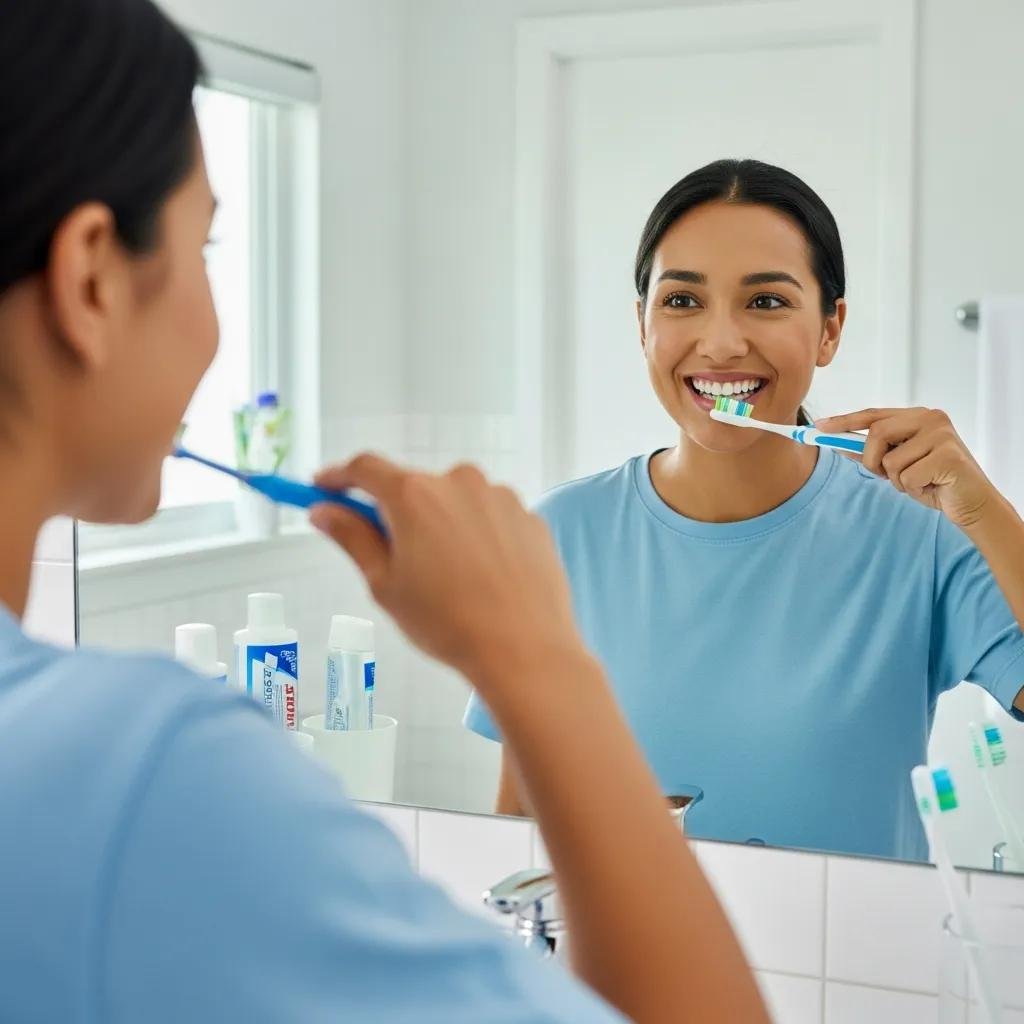
Mastering Proper Brushing Techniques for Oral Health: How to Brush Teeth Effectively for Optimal Gum and Plaque Care
Maintaining optimal oral health is essential for overall well-being, and mastering proper brushing techniques is a fundamental aspect of effective dental care. This article will guide you through the recommended brushing techniques, the best methods for plaque removal, and how to choose the right toothbrush and toothpaste. Many individuals struggle with maintaining healthy gums and preventing plaque buildup, which can lead to serious dental issues. By understanding and implementing effective brushing techniques, you can significantly improve your oral hygiene. We will explore various brushing methods, age-specific adaptations, and the complete oral hygiene routine, ensuring you have all the tools necessary for a healthy smile.
What Is the Proper Brushing Technique Recommended by Dentists?
Proper brushing techniques are crucial for effective oral hygiene, as they help remove plaque and prevent gum disease. Dentists recommend specific methods to ensure that all areas of the mouth are adequately cleaned. The most widely endorsed technique is the Bass brushing technique, which focuses on cleaning along the gumline. This method involves angling the toothbrush at 45 degrees to the gums and using small, gentle back-and-forth or circular motions to dislodge plaque and debris.
Despite various recommendations, ongoing research continues to evaluate the effectiveness of different manual toothbrushing techniques for plaque and gingivitis control.
Effectiveness of Manual Toothbrushing Techniques for Plaque & Gingivitis
Currently, there is no consensus on recommendations for manual toothbrushing techniques between dentists, oral health therapists and dental companies. The aim of this systematic review is to identify and assess the quality of evidence of the effectiveness of manual toothbrushing techniques in the existing literature.
Effectiveness of manual toothbrushing techniques on plaque and gingivitis: a systematic review, 2020
How Does the Bass Brushing Technique Improve Gumline Cleaning?
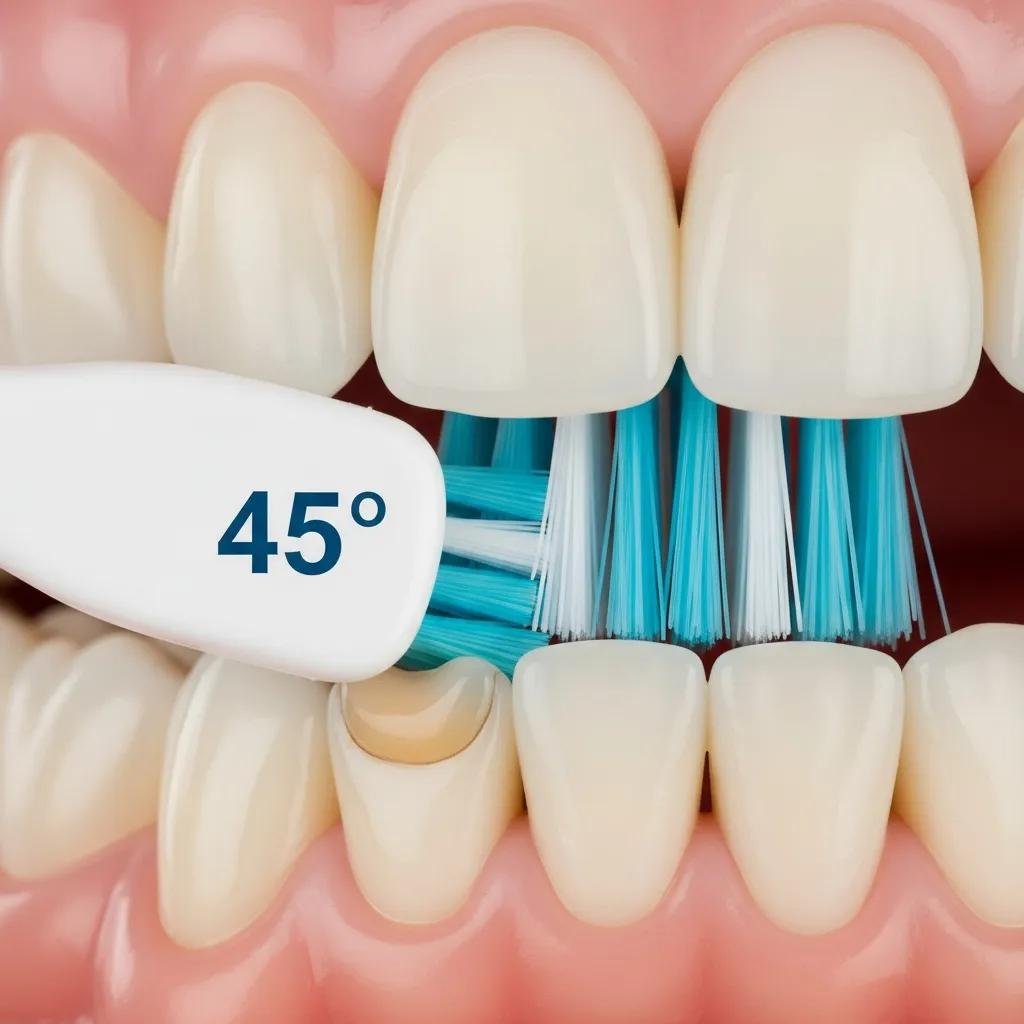
The Bass brushing technique enhances gumline cleaning by targeting the area where plaque tends to accumulate. By angling the toothbrush towards the gumline, this method allows for effective removal of plaque that can lead to gum disease. It is recommended to brush for at least two minutes, ensuring that all surfaces of the teeth are covered. Regular practice of this technique can lead to healthier gums and a reduced risk of periodontal issues.
What Are the Steps of the Modified Bass Technique for Plaque Removal?
- Position the toothbrush at a 45-degree angle to the gumline.
- Use gentle, vibratory or small back-and-forth motions to brush the outer surfaces of the teeth.
- Sweep the bristles away from the gumline to remove loosened plaque.
- Repeat the process for the inner surfaces and chewing surfaces.
- Ensure to brush for at least two minutes, focusing on each quadrant of the mouth.
This technique not only helps in plaque removal but also promotes better gum health by ensuring that the toothbrush reaches the critical areas along the gumline.
Further research continues to refine and evaluate the effectiveness of the modified Bass technique for comprehensive plaque removal.
Modified Bass Technique for Gum Line Plaque Removal
for removing plaque from the gum line and beyond. However, efficacy of MBT with that of conventional brushing techniques
Evaluation of Toothbrushing Techniques Using the Modified Bass Technique Algorithm, 2025
Further research supports the effectiveness of the modified Bass technique in plaque control, often comparing it with other established methods.
Modified Bass, Rolling, & Current Brushing Techniques for Plaque Control
This study aimed to compare the plaque removal effects of the modified Bass technique (MBT), the Rolling technique and the current brushing technique(CBT) for plaque removal.
Comparison of modified bass, rolling, and current toothbrushing techniques for the efficacy of plaque control–A randomized trial, 2023
Which Brushing Methods Are Best for Effective Plaque Removal and Gum Health?
Several brushing methods can effectively remove plaque and promote gum health. Understanding these methods can help you choose the best one for your needs.
- Bass Brushing Technique: Focuses on the gumline, effectively removing plaque.
- Modified Bass Technique: Enhances plaque removal with a systematic approach.
- Circular Brushing Method: Involves brushing in small circular motions, which can be gentler on the gums.
A comprehensive review further highlights the importance of selecting an effective toothbrushing technique for optimal plaque control.
Efficacy of Various Toothbrushing Methods for Plaque Control
Aim: To compare the various toothbrushing methods in effective removal of plaque. Materials and Methods: Systematic review with meta-analysis methodology developed by Cochrane Corporation was used in this review. Computerised searches Medline, the Cochrane Register of Controlled Trials and the Google Scholar for randomised controlled trials were searched up to May 2017 to identify appropriate studies. Information regarding methods, participants, interventions, outcome measures and results were independently extracted, in duplicate. A meta-analysis was attempted on two trials. The test group was using ‘modified Bass technique’ and the control group was using ‘horizontal scrub technique’ in both the selected trials. Standard Mean Deviation (SMD) was calculated using random-effects mod
The efficacy of plaque control by various toothbrushing techniques-a systematic review and meta-analysis, CDS Janakiram, 2018
How Does the Circular Brushing Method Protect Tooth Enamel?
The circular brushing method protects tooth enamel by distributing pressure evenly across the teeth. This technique minimizes the risk of enamel erosion, which can occur with aggressive brushing. By using gentle, circular motions, you can effectively clean your teeth without damaging the enamel, ensuring long-term dental health.
What Are Common Brushing Mistakes That Harm Gum Health?
Many individuals unknowingly make mistakes while brushing that can harm their gum health. Common mistakes include:
- Brushing Too Hard: This can lead to gum recession and enamel wear.
- Neglecting the Gumline: Failing to brush along the gumline can result in plaque buildup.
- Inconsistent Brushing: Not brushing twice a day can lead to increased plaque and gum disease.
By avoiding these mistakes, you can significantly improve your oral hygiene and protect your gums.
How to Choose the Right Toothbrush and Toothpaste for Optimal Oral Hygiene?
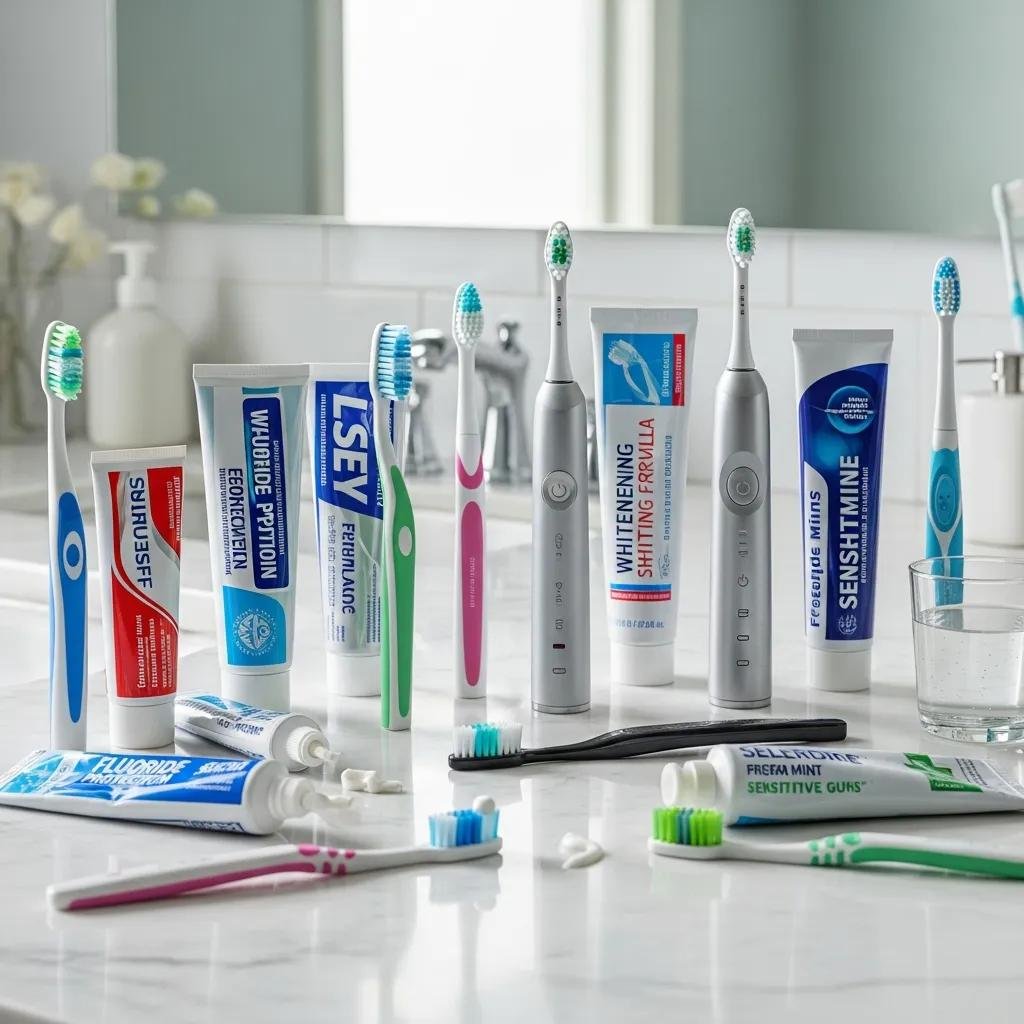
Selecting the right toothbrush and toothpaste is essential for maintaining optimal oral hygiene. Factors to consider include bristle type, toothbrush design, and fluoride content in toothpaste.
What Are the Benefits of Soft-Bristled Manual vs. Electric Toothbrushes?
Soft-bristled toothbrushes are generally recommended for their gentleness on gums while effectively removing plaque. Electric toothbrushes, on the other hand, can provide superior plaque removal due to their consistent motion and built-in timers. Both options have their benefits, and the choice often depends on personal preference and specific dental needs.
Why Is Fluoride Toothpaste Essential for Enamel Strengthening and Cavity Prevention?
Fluoride toothpaste plays a crucial role in strengthening tooth enamel and preventing cavities. Fluoride helps remineralize weakened enamel, making it more resistant to decay. Regular use of fluoride toothpaste is essential for maintaining strong teeth and preventing dental issues.
How Should Different Age Groups Adapt Their Brushing Techniques?
Brushing techniques may need to be adapted based on age to ensure effective oral hygiene. Children and seniors often have different needs that should be addressed.
What Are Effective Brushing Tips for Children’s Oral Health?
- Use a smear or pea-sized amount of fluoride toothpaste depending on age (smear for children under 3, pea-sized for ages 3-6).
- Supervise brushing to ensure proper technique.
- Encourage brushing twice a day for at least two minutes.
These practices help instill good habits early on and promote lifelong oral health.
How Can Seniors Maintain Gum Health Through Proper Brushing?
- Use a soft-bristled toothbrush to avoid irritation.
- Consider electric toothbrushes for easier handling.
- Regularly visit the dentist for professional cleanings.
These strategies can help seniors maintain their gum health and overall oral hygiene.
What Is the Complete Oral Hygiene Routine Beyond Brushing?
A complete oral hygiene routine includes more than just brushing. It is essential to incorporate additional practices for optimal oral health.
Should You Brush Your Tongue and How Does It Affect Oral Health?
Brushing your tongue is an important part of oral hygiene. It helps remove bacteria and food particles that can contribute to bad breath and plaque buildup. Using a tongue scraper or brushing the tongue gently with your toothbrush can enhance your overall oral hygiene.
What Is the Recommended Order: Brushing, Flossing, and Mouthwash?
The recommended order for an effective oral hygiene routine is:
- Flossing: Removes plaque and food particles between teeth.
- Brushing: Cleans the surfaces of the teeth and gums.
- Mouthwash: Provides additional antibacterial protection and freshens breath.
Following this order ensures that your mouth is thoroughly cleaned and protected.
When Should You Visit Your Plano Dentist for Professional Cleanings and Checkups?
Regular dental visits are crucial for maintaining oral health. Dentists recommend scheduling checkups every six months for most individuals, though some may require more frequent visits based on their oral health status.
How Do Regular Dental Cleanings Complement Proper Brushing Techniques?
Regular dental cleanings complement proper brushing techniques by removing tartar buildup that brushing alone cannot eliminate. Professional cleanings help prevent gum disease and cavities, ensuring that your oral hygiene efforts are effective.
What Are the Signs That Indicate You Need a Dental Checkup?
Signs that indicate a need for a dental checkup include:
- Persistent Bad Breath: May indicate gum disease or other issues.
- Bleeding Gums: A sign of potential gum disease.
- Tooth Sensitivity: Could indicate enamel erosion or cavities.
If you experience any of these symptoms, it is important to schedule an appointment with your dentist.
| Toothbrush Type | Bristle Type | Recommended Use |
|---|---|---|
| Manual | Soft | General use for all ages |
| Electric | Soft | Recommended for those with limited dexterity or seeking enhanced plaque removal |
| Interdental | N/A | For cleaning between teeth |
Choosing the right toothbrush type and bristle type can significantly impact your oral hygiene routine. Regularly replacing your toothbrush every three to four months or sooner if bristles are frayed is also essential for maintaining effective cleaning.
In summary, mastering proper brushing techniques is vital for maintaining optimal oral health. By understanding the recommended methods, choosing the right tools, and incorporating a complete oral hygiene routine, you can significantly improve your dental care. Regular visits to your dentist, such as Rudy Aldaragi DDS in Plano, Texas, can further enhance your oral health journey, ensuring that you receive the best care tailored to your needs.