
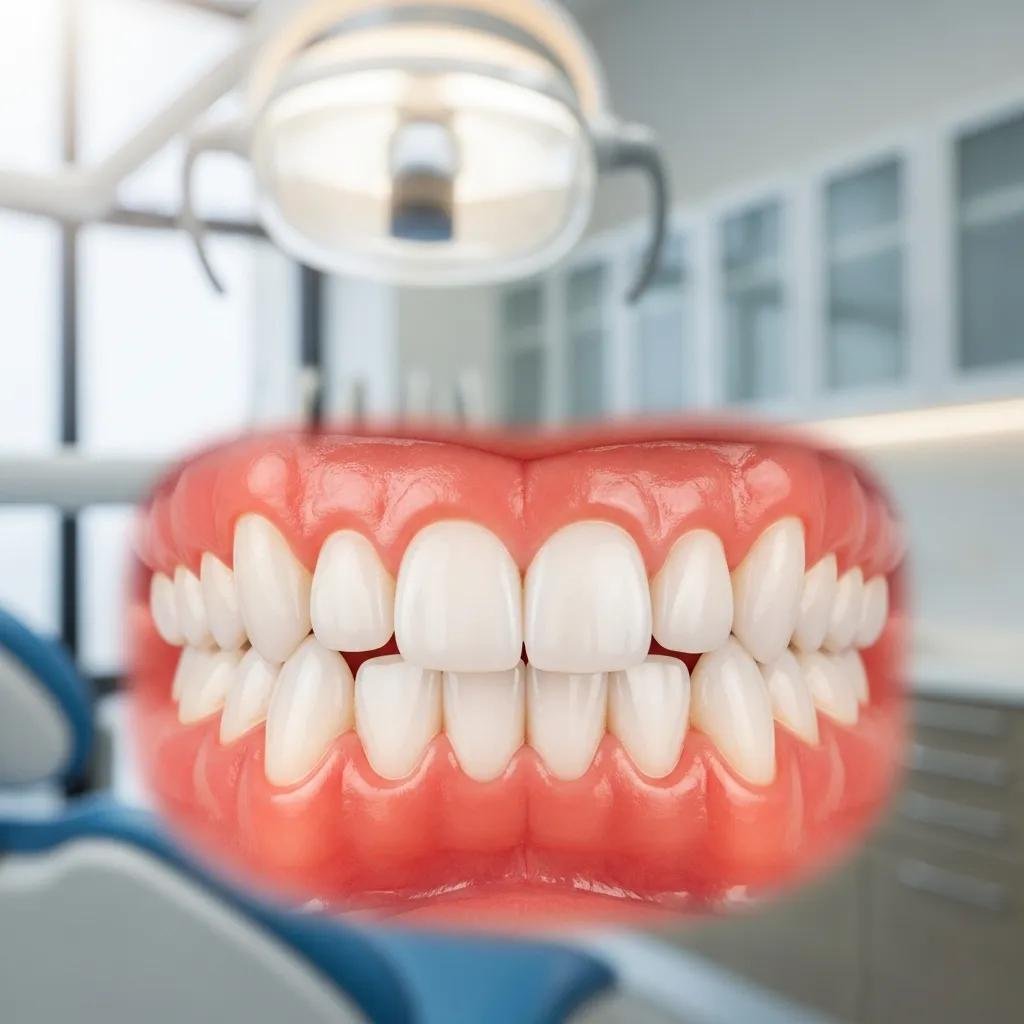
Why Your Gums Bleed and How to Stop It: Causes, Symptoms, and Effective Treatments
Bleeding gums can be a concerning symptom of underlying dental issues, often indicating gum disease or other health problems. Understanding the causes and effective treatments for bleeding gums is essential for maintaining oral health. This article will explore the common reasons why gums bleed, the symptoms associated with gum disease, and practical solutions to stop the bleeding. By addressing these issues, you can take proactive steps toward better gum health and overall well-being. We will cover the causes of bleeding gums, the symptoms and stages of gum disease, home remedies, professional treatments, and why choosing the right dental care provider is crucial.
What Are the Common Causes of Bleeding Gums?
Bleeding gums can arise from various factors, primarily linked to poor oral hygiene and systemic health issues. Understanding these causes is vital for effective prevention and treatment.
How Does Plaque and Tartar Lead to Gum Bleeding?
Plaque is a sticky film of bacteria that forms on teeth, and if not removed through regular brushing and flossing, it can harden into tartar. This buildup irritates the gums, leading to inflammation and bleeding. When plaque accumulates, it creates an environment conducive to gum disease, which can progress to more severe conditions if left untreated. Regular dental cleanings and proper oral hygiene practices are essential to prevent plaque and tartar buildup, thereby reducing the risk of gum bleeding.
Which Systemic Factors and Habits Increase Bleeding Gums Risk?
Several systemic factors and lifestyle habits can exacerbate the risk of bleeding gums. Smoking, for instance, significantly impairs gum health and increases the likelihood of gum disease. Additionally, conditions such as diabetes and hormonal changes (e.g., pregnancy, menopause) can affect gum sensitivity and health. A poor diet lacking essential nutrients can also contribute to gum problems. Regular dental visits and maintaining a balanced diet rich in vitamins and minerals are crucial for supporting gum health and preventing bleeding.
What Are the Symptoms and Stages of Gum Disease?
Recognizing the symptoms and stages of gum disease is essential for timely intervention. Early detection can prevent the progression to more severe forms of gum disease.
How to Recognize Early Signs of Gingivitis?

Gingivitis is the initial stage of gum disease, characterized by symptoms such as redness, swelling, and bleeding during brushing or flossing. These early signs indicate inflammation of the gums, often caused by plaque buildup. If addressed promptly through improved oral hygiene and professional cleanings, gingivitis can be reversed, preventing further complications.
What Are the Advanced Symptoms of Periodontitis?
If gingivitis is left untreated, it can progress to periodontitis, a more severe form of gum disease. Symptoms of periodontitis include persistent bad breath, receding gums, formation of pockets between the teeth and gums, and sometimes tooth mobility. Advanced periodontitis can lead to tooth loss and other serious health issues. Recognizing these symptoms early and seeking professional dental care is crucial for effective management.
How Can You Stop Bleeding Gums at Home?
There are several effective home remedies and practices that can help stop bleeding gums and promote overall gum health.
What Home Remedies and Oral Hygiene Practices Help?
Home remedies such as saltwater rinses can provide immediate relief for bleeding gums. Saltwater helps reduce inflammation and kill bacteria in the mouth. Additionally, maintaining proper oral hygiene through regular brushing and flossing is essential. Using a soft-bristled toothbrush and fluoride toothpaste can minimize gum irritation while effectively cleaning teeth.
Which Dietary and Lifestyle Changes Support Gum Health?
Incorporating a diet rich in vitamin C and calcium, along with other essential nutrients, can significantly improve gum health. Foods such as leafy greens, citrus fruits, and dairy products support gum tissue and overall oral health. Vitamin D also plays a role in bone health but is less directly linked to gum tissue health. Avoiding tobacco products and limiting sugary snacks can also help maintain healthy gums. Staying hydrated and managing stress levels are additional lifestyle changes that can positively impact gum health.
What Professional Treatments Are Available for Bleeding Gums?
When home remedies are insufficient, professional dental treatments may be necessary to address bleeding gums effectively.
How Do Dental Cleanings and Scaling Treat Gum Disease?

Regular dental cleanings are crucial for removing plaque and tartar buildup that contribute to gum disease. During a cleaning, a dental professional will use specialized tools to clean above and below the gum line, which helps reduce inflammation and bleeding. Scaling and root planing may also be performed to remove tartar and smooth the tooth roots, promoting healing of the gums.
When Are Advanced Periodontal Treatments Necessary?
In cases of advanced gum disease, more intensive treatments may be required. These can include surgical procedures to reduce gum pockets, regenerate lost bone and tissue, or reshape the gums. It is essential to consult with a dental professional to determine the appropriate treatment plan based on the severity of the condition.
Why Choose Rudy Aldaragi DDS for Gum Disease Care in Plano, TX?
Choosing the right dental care provider is crucial for effective gum disease management.
What Expertise and Technologies Support Effective Gum Treatment?
Dr. Rudy Aldaragi and his team utilize state-of-the-art technology and techniques to provide comprehensive dental care. Their expertise in cosmetic dentistry and periodontics ensures that patients receive the highest quality treatment tailored to their specific needs. Advanced diagnostic tools help identify gum disease early, allowing for timely intervention.
How Do Patient Success Stories Reflect Our Gum Care Quality?
Patient success stories highlight the effectiveness of the treatments provided at Rudy Aldaragi DDS. Many patients have experienced significant improvements in their gum health and overall dental well-being. These testimonials reflect the commitment to patient-centered care and the positive impact of professional dental services on oral health.
When Should You See a Dentist for Bleeding Gums?
Recognizing when to seek professional help is essential for maintaining gum health.
What Are Warning Signs That Require Professional Evaluation?
Persistent bleeding, swelling, and pain in the gums are warning signs that should prompt a visit to the dentist. Changes in gum appearance, such as discoloration or recession, also indicate the need for professional evaluation. Early intervention can prevent the progression of gum disease and protect overall oral health.
How to Schedule an Appointment with a Plano Dentist for Gum Issues?
To schedule an appointment with Rudy Aldaragi DDS, you can contact the office directly at (972) 208-2457. The team is dedicated to providing personalized care and will guide you through the appointment process, ensuring you receive the necessary treatment for your gum issues.
| Treatment Type | Description | Benefits |
|---|---|---|
| Dental Cleanings | Professional cleaning to remove plaque and tartar | Reduces inflammation and bleeding |
| Scaling and Root Planing | Deep cleaning below the gum line | Promotes healing and gum health |
| Advanced Periodontal Treatments | Surgical options for severe gum disease | Restores gum and bone health |