
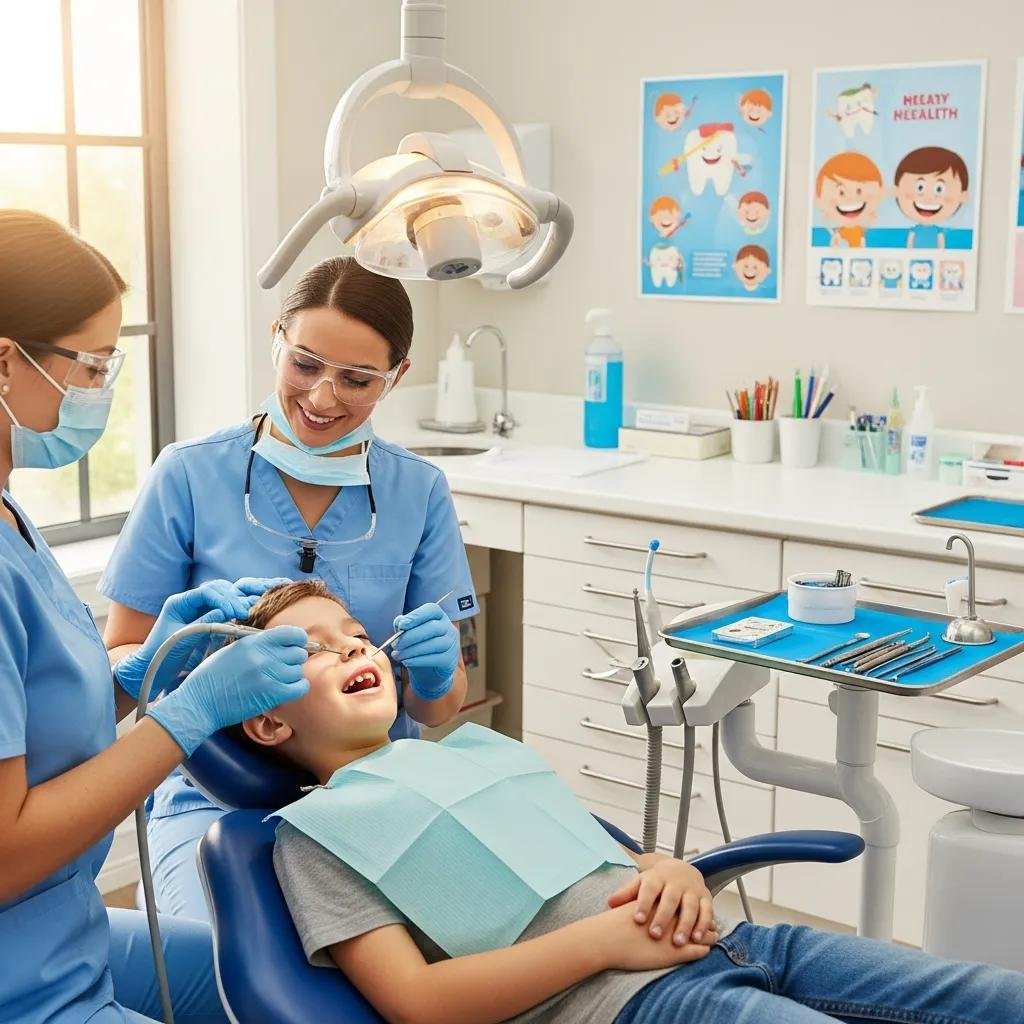
Understanding Dental Sealants for Cavity Prevention at Rudy Aldaragi DDS in Plano, TX
Dental sealants are a vital preventive measure in modern dentistry, designed to protect teeth from cavities and decay. These thin, protective coatings are applied to the chewing surfaces of molars and premolars, where food particles and bacteria often accumulate. This article will explore the function, benefits, and application of dental sealants, providing insights into how they contribute to cavity prevention. Many individuals, especially children, face the risk of tooth decay due to inadequate oral hygiene practices. Dental sealants offer a practical solution by creating a barrier against harmful bacteria and food particles. We will discuss the materials used in sealants, their effectiveness, and the application process at Rudy Aldaragi DDS, a trusted dental practice in Plano, Texas.
What Are Dental Sealants and How Do They Protect Your Teeth?
Dental sealants are a preventive dental treatment that involves applying a thin layer of a plastic material to the chewing surfaces of teeth, particularly molars and premolars. This coating acts as a barrier, sealing the pits and fissures where food particles and bacteria can accumulate, thus preventing cavities. The application of sealants is a quick and painless procedure that can significantly reduce the risk of tooth decay.
What materials are used in dental sealants?
Dental sealants are typically made from two main types of materials: resin-based composites and glass ionomer. Resin-based composites are the most common choice due to their durability and ease of application, although they are usually clear or white rather than color-matched to the natural tooth. Glass ionomer sealants, on the other hand, release fluoride, which can help protect the tooth from decay. Both materials effectively seal the tooth surface, but the choice may depend on the specific needs of the patient.
Further research supports the enhanced protective qualities of sealants that incorporate fluoride.
Fluoride-Releasing Dental Sealants for Caries Prevention
Applying sealants to the deep pit and fissure area will be an excellent way to stop and slow down tooth caries from developing. Dental sealants that include fluoride are more successful at lowering dental cavities. It is anticipated that exposure to fluoride from dental sealants of various origins may enhance the fluoride release from dental sealants. Therefore, this study’s objective was to investigate the amount of fluoride released after using fluoride toothpaste and fluoride varnish from different sealants.
Comparative evaluation of fluoride release from glass ionomer, compomer, and giomer sealants following exposure to fluoride toothpaste and fluoride varnish: an in …, 2022
How do sealants prevent cavities on molars and premolars?
Sealants prevent cavities by filling in the grooves and pits on the chewing surfaces of molars and premolars, which are difficult to clean with a toothbrush. By sealing these areas, sealants block food particles and bacteria from entering, significantly reducing the likelihood of decay. Studies have shown that sealants can reduce the risk of cavities by about 60% in children over a period of 2 to 3 years, making them an essential part of preventive dentistry.
Beyond simply creating a physical barrier, the specific materials used in sealants also contribute to their effectiveness in preventing decay and inhibiting bacterial growth.
Sealant Materials: Caries & Antibacterial Effects
The aim of this work is to study and compare the retention rate, caries-preventing and antibacterial effects of resin-modified glass ionomer and flowable composite in comparison to conventional fissure sealant.
Clinical and antibacterial effectiveness of three different sealant materials, 2008
Further studies have investigated the comparative effectiveness and retention rates of various sealant materials in preventing cavities.
Dental Sealant Effectiveness & Retention for Cavity Prevention
The aim of this study was to compare the caries-preventive effect and the retention rates of sealants prepared with a new modified and a high-viscosity glass-ionomer cement (GIC) in recently erupted first permanent molars. Fifty-six children (224 teeth) were included in a split-mouth randomised clinical trial. All children had their four first permanent molars sealed with either Clinpro XT Varnish (CXT) or Fuji IX GP FAST (FJ). Retention rates and caries-preventive effect of both materials were assessed clinically after 24 months.
Retention rates and caries-preventive effects of two different sealant materials: a randomised clinical trial, J Faber, 2018
What Are the Key Benefits of Dental Sealants for Cavity Prevention?
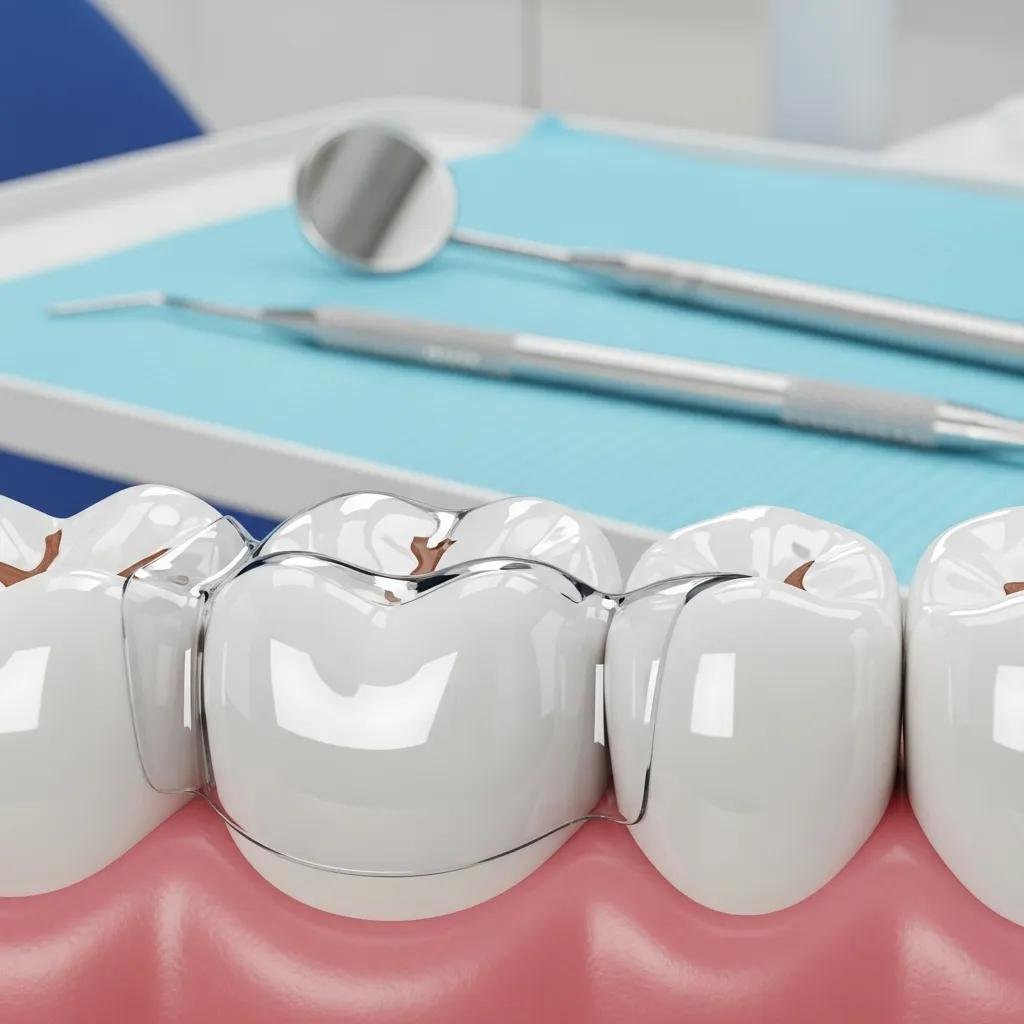
Dental sealants offer several key benefits that make them an effective preventive measure against cavities. They not only protect teeth but also contribute to overall oral health.
- Reduction in Cavity Risk: Sealants can significantly lower the chances of developing cavities, especially in children and adolescents who are more prone to tooth decay.
- Cost-Effectiveness: The cost of applying sealants is significantly lower than the expenses associated with treating cavities, such as fillings or crowns.
- Long-Lasting Protection: Sealants can last several years with proper care, providing ongoing protection against decay.
How much can dental sealants reduce the risk of tooth decay?
Research indicates that dental sealants can reduce the risk of tooth decay by about 60% over 2 to 3 years after application. Over time, they continue to provide protection, although regular dental check-ups are essential to ensure their integrity. This significant reduction in cavity risk highlights the importance of sealants as a preventive measure in dental care.
Are dental sealants a cost-effective preventive treatment?
Yes, dental sealants are a cost-effective preventive treatment. The initial cost of sealant application is much lower than the cost of treating cavities, which can involve fillings, crowns, or even root canals. Many dental insurance plans cover sealants, especially for children, making them an accessible option for families looking to maintain their children’s oral health.
Who Should Consider Dental Sealants? Benefits for Children and Adults
Dental sealants are beneficial for both children and adults, although their application is particularly recommended for children aged 6 to 14, when their permanent molars and premolars erupt.
Why are dental sealants important for children aged 6 to 11?
Children in this age group are at a higher risk for cavities due to their developing oral hygiene habits. Sealants provide a protective barrier during this critical time, helping to prevent decay in newly erupted molars. The application of sealants can be a proactive step in ensuring long-term dental health for children.
Can adults benefit from dental sealants?
Yes, adults can also benefit from dental sealants, especially those who are at higher risk for cavities due to factors such as dry mouth, gum disease, or a history of dental issues. Sealants can provide additional protection for adults’ molars, helping to maintain their oral health as they age.
What Is the Dental Sealant Application Procedure at Rudy Aldaragi DDS?
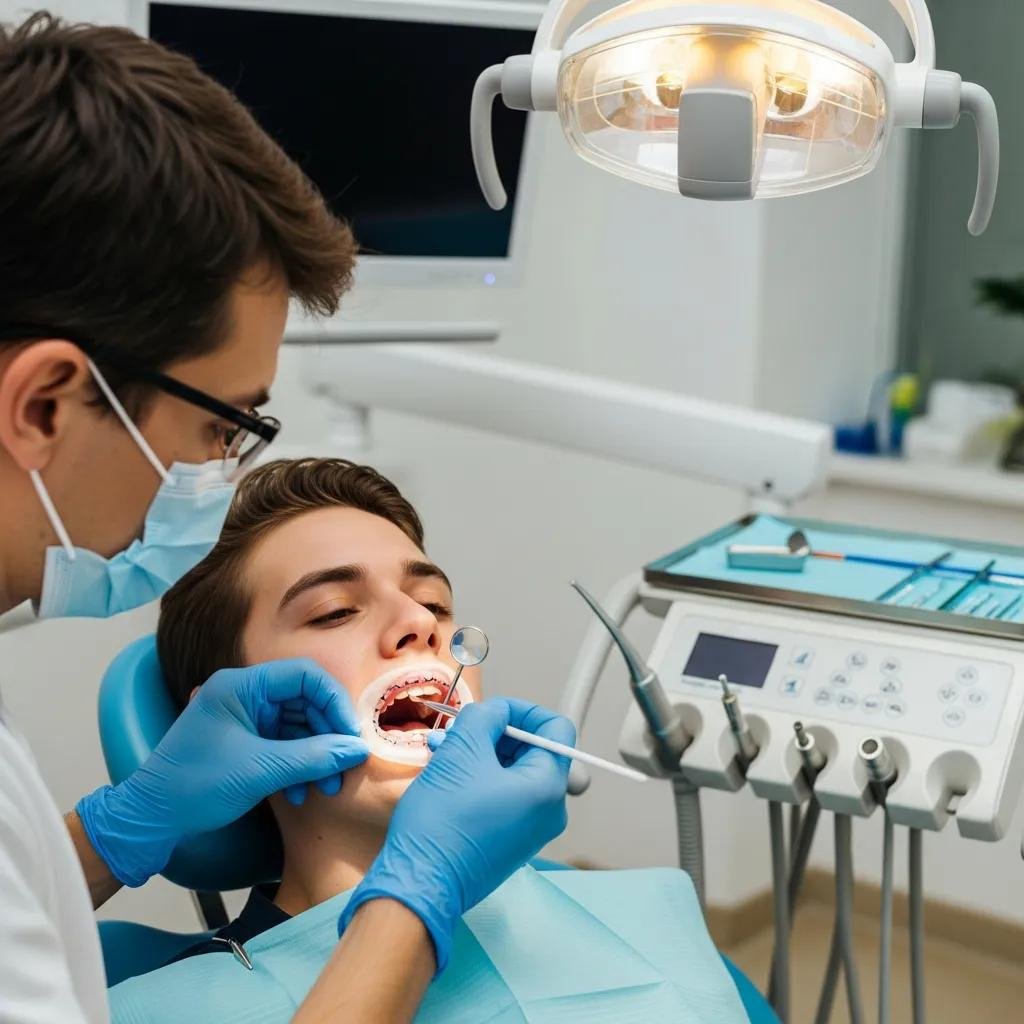
The application of dental sealants is a straightforward process that can typically be completed in one visit to the dentist.
What are the step-by-step stages of sealant application?
- Cleaning the Teeth: The dentist will clean the teeth to remove any plaque or debris.
- Preparing the Tooth Surface: An acidic solution (etchant) is applied to the tooth surface to help the sealant bond effectively.
- Applying the Sealant: The sealant material is painted onto the tooth surface, filling in the grooves and pits.
- Curing the Sealant: A special light may be used to harden the sealant, ensuring it adheres properly to the tooth.
What should patients expect during and after the procedure?
Patients can expect a quick and painless procedure, typically lasting about 30 minutes. After application, there may be a slight adjustment period as the patient becomes accustomed to the feel of the sealants. Regular dental check-ups will help monitor the condition of the sealants and ensure they remain effective.
How Long Do Dental Sealants Last and How Should You Maintain Them?
The longevity of dental sealants can vary based on several factors, including oral hygiene practices and dietary habits.
What is the typical lifespan of dental sealants?
On average, dental sealants can last between 5 to 10 years, but they require regular dental check-ups to assess their condition and determine if reapplication is necessary. Factors such as grinding teeth or consuming hard foods can affect their lifespan.
It is also important to consider that the effectiveness and duration of fluoride release from certain sealants can be influenced by their composition and environmental factors.
Factors Affecting Fluoride Sealant Efficacy
Fluoride-releasing sealants play a crucial role in caries prevention by providing both mechanical protection and controlled ion release. However, the rate and duration of fluoride emission vary depending on material composition and environmental conditions.
Evaluation of Factors Affecting Fluoride Release from Dental Sealants: A Systematic Review, 2025
Specific research has also focused on quantifying the fluoride release from different sealant materials over time.
Fluoride Release from Dental Sealant Materials
To measure the amounts of fluoride released from fluoride-containing materials, four glass ionomer cements (Fuji IX, Fuji VII, Fuji IX Extra and Fuji II LC), a compomer (Dyract Extra) and a giomer (Beautifil) were used in this study. Twenty cylindrical specimens were prepared from each material. The amount of released fluoride was measured during the first week and on the days 14 and 21 by using specific fluoride electrode and an ionanalyzer.
Fluoride release by glass ionomer cements, compomer and giomer, SM Mousavinasab, 2009
How can patients maintain sealants for optimal cavity prevention?
To maintain dental sealants, patients should practice good oral hygiene, including regular brushing and flossing. Additionally, routine dental visits for professional cleanings and examinations will help ensure that the sealants remain intact and effective in preventing cavities.
What Are the Costs and Insurance Options for Dental Sealants at Rudy Aldaragi DDS?
Understanding the financial aspects of dental sealants is crucial for patients considering this preventive treatment.
Does PPO dental insurance cover dental sealants?
Many PPO dental insurance plans cover the cost of dental sealants, particularly for children. Coverage may vary, so it is advisable for patients to check with their insurance provider to understand their specific benefits.
What flexible payment plans are available for sealant treatments?
Rudy Aldaragi DDS offers flexible payment options to make dental care accessible for all patients. This includes financing plans that allow patients to spread the cost of sealant treatments over time, ensuring that financial concerns do not hinder access to preventive dental care.