
Signs Your Child May Need Orthodontic Evaluation: Early Orthodontic Signs and When to See an Orthodontist
Recognizing the signs that your child may need an orthodontic evaluation is crucial for their dental health and overall well-being. Early detection of orthodontic issues can lead to more effective treatment options and better outcomes. This article will explore the early signs of orthodontic problems, when to schedule a consultation, common issues children face, available treatment options, and how local orthodontic care can support your child’s needs. By understanding these aspects, parents can make informed decisions about their child’s dental development and ensure they receive the best care possible.
What Are the Early Signs of Orthodontic Issues in Children?
Identifying early signs of orthodontic issues in children is essential for timely intervention. Common indicators include misaligned teeth, difficulty chewing, and speech problems. These signs can often be subtle, making it important for parents to monitor their child’s dental development closely. Early evaluation can help prevent more severe issues later on, ensuring that your child maintains a healthy smile.
How to Identify Child Teeth Alignment Issues and Malocclusion Symptoms
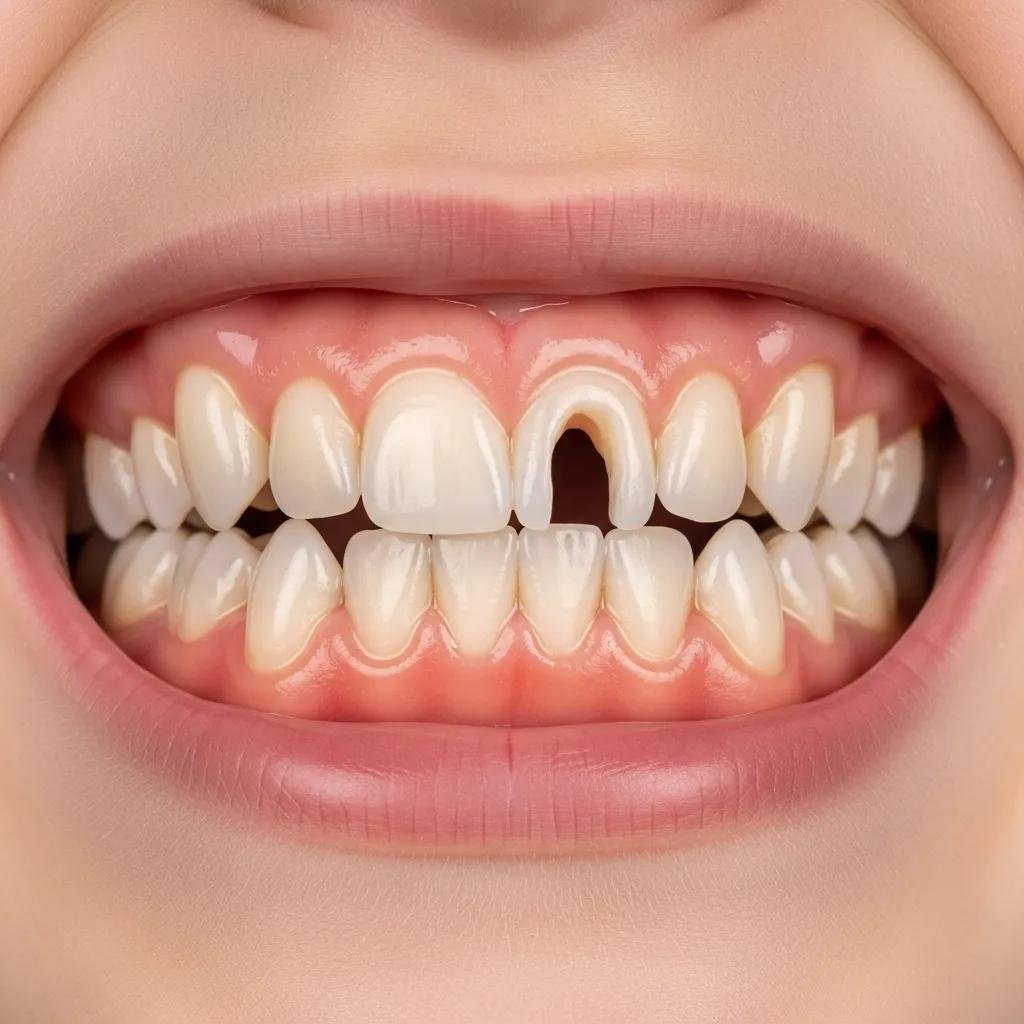
Teeth alignment issues and malocclusion symptoms can manifest in various ways. Parents should look for the following signs:
- Crowded Teeth: If teeth appear to be overlapping or too close together, this may indicate a need for orthodontic evaluation.
- Gaps Between Teeth: Spaces that are too large can also signal alignment issues.
- Biting Difficulties: If your child struggles to bite or chew food properly, it may be due to misalignment.
Recognizing these symptoms early can lead to timely orthodontic consultations, which can significantly improve treatment outcomes.
What Are Common Pediatric Orthodontic Signs to Watch For?
Parents should be vigilant for several common signs that may indicate orthodontic issues in their children:
- Thumb Sucking: Prolonged thumb sucking beyond age 4 to 5 can lead to misalignment of teeth.
- Mouth Breathing: This can affect the development of the jaw and teeth.
- Jaw Pain or Clicking: Discomfort in the jaw may suggest underlying orthodontic problems.
By being aware of these signs, parents can take proactive steps to address potential issues with their child’s dental health.
When Should You Schedule an Orthodontic Consultation for Your Child?
Determining the right time to schedule an orthodontic consultation is crucial for effective treatment. Early evaluations can lead to better outcomes and less invasive procedures.
At What Age Is Pediatric Orthodontic Evaluation Recommended?
The American Association of Orthodontists recommends that children have their first orthodontic evaluation by age seven. At this age, the dentist or orthodontist can assess the child’s dental development and identify any potential issues. Early intervention can often simplify future treatment and improve results.
How Does Early Intervention Improve Orthodontic Treatment Outcomes?
Early intervention can significantly enhance orthodontic treatment outcomes. Research shows that addressing issues at a young age can lead to:
- Shorter Treatment Times: Early evaluations often result in less complex treatments.
- Reduced Need for Extractions: Correcting alignment issues early can minimize the need for tooth extractions later.
- Improved Aesthetic Outcomes: Early treatment can lead to better alignment and a more attractive smile.
By scheduling an evaluation at the recommended age, parents can set their children on a path to optimal dental health.
The decision to pursue early orthodontic treatment, especially for conditions like prominent upper front teeth, is a key consideration in pediatric orthodontics.
Early Orthodontic Treatment for Prominent Upper Teeth
Prominent upper front teeth are an important and potentially harmful type of orthodontic problem. This condition develops when the child’s permanent teeth erupt and children are often referred to an orthodontist for treatment with dental braces to reduce the prominence of the teeth. If a child is referred at a young age, the orthodontist is faced with the dilemma of whether to treat the patient early or to wait until the child is older and provide treatment in early adolescence.
Orthodontic treatment for prominent upper front teeth in children, JE Harrison, 2007
What Are the Common Orthodontic Problems in Children?
Understanding common orthodontic problems can help parents recognize when their child may need professional evaluation. These issues can affect both dental health and self-esteem.
Understanding Malocclusion Types and Child Jaw Growth Problems
Malocclusion refers to the misalignment of teeth and jaws. There are several types of malocclusion, including:
- Overbite: The upper teeth significantly overlap the lower teeth vertically.
- Underbite: The lower teeth protrude beyond the upper teeth.
- Crossbite: Some upper teeth sit inside the lower teeth when biting.
These conditions can lead to difficulties in chewing and speaking, as well as increased wear on teeth.
Further research emphasizes the widespread nature of malocclusion and its connection to various childhood dental issues and habits.
Common Childhood Dental Issues & Malocclusion
Malocclusion is a worldwide dental problem that influences the affected individuals to varying degrees. Many factors contribute to the anomaly in dentition, including hereditary and environmental aspects. Dental caries, pulpal and periapical lesions, dental trauma, abnormality of development, and oral habits are most common dental diseases in children that strongly relate to malocclusion. Management of oral health in the early childhood stage is carried out in clinic work of pediatric dentistry to minimize the unwanted effect of these diseases on dentition. This article highlights these diseases and their impacts on malocclusion in sequence. Prevention, treatment, and management of these conditions are also illustrated in order to achieve successful oral health for children and adolescents, even for their adult stage.
Common dental diseases in children and malocclusion, 2018
How Do These Issues Affect Child Dental Development?
Orthodontic problems can have long-term effects on a child’s dental development. Misalignment can lead to:
- Increased Risk of Cavities: Misaligned teeth can create hard-to-clean areas, increasing the risk of decay.
- Jaw Pain: Improper alignment can cause strain on the jaw muscles, leading to discomfort.
- Self-Esteem Issues: Children with noticeable orthodontic problems may feel self-conscious about their smiles.
Addressing these issues early can help mitigate these risks and promote better overall dental health.
What Orthodontic Treatment Options Are Available for Kids?
There are several orthodontic treatment options available for children, each designed to address specific issues effectively.
What Are the Benefits of Early Braces and Interceptive Orthodontics?

Early braces and interceptive orthodontics can provide numerous benefits, including:
- Guiding Jaw Growth: Early treatment can help guide the growth of the jaw, ensuring proper alignment.
- Reducing Treatment Time: Starting treatment early can often lead to shorter overall treatment durations.
- Improving Aesthetics: Early intervention can enhance the appearance of a child’s smile, boosting their confidence.
These benefits highlight the importance of early orthodontic evaluations and treatments.
How to Prepare Your Child for Braces and Orthodontic Care?
Preparing your child for braces involves several steps to ensure a smooth transition:
- Educate Your Child: Explain what braces are and how they work.
- Discuss Dietary Changes: Certain foods may need to be avoided to protect the braces.
- Schedule Regular Check-Ups: Regular visits to the orthodontist are essential for monitoring progress.
By preparing your child adequately, you can help them feel more comfortable and confident about their orthodontic journey.
How Does Local Plano Orthodontic Care Support Early Evaluation?
Local orthodontic care plays a vital role in supporting early evaluations and treatments for children. Access to specialized services can make a significant difference in a child’s dental health.
What Pediatric Orthodontic Services Does Rudy Aldaragi DDS Provide?
Rudy Aldaragi DDS offers a range of pediatric orthodontic services, including:
- Comprehensive Evaluations: Detailed assessments to identify potential orthodontic issues.
- Personalized Treatment Plans: Tailored approaches to meet each child’s unique needs.
- Family-Friendly Environment: A welcoming atmosphere that helps children feel at ease during their visits.
These services emphasize the importance of early detection and intervention in orthodontic care.
How to Schedule an Orthodontic Evaluation Appointment in Plano, Texas?
Scheduling an orthodontic evaluation with Rudy Aldaragi DDS is straightforward. Parents can follow these steps:
- Contact the Office: Reach out to schedule an appointment.
- Prepare Necessary Information: Have your child’s dental history ready for the evaluation.
- Attend the Appointment: Bring your child for their assessment and discuss any concerns with the orthodontist.
By taking these steps, parents can ensure their child receives the necessary orthodontic care in a timely manner.
| Treatment Option | Description | Benefits |
|---|---|---|
| Early Braces | Applied at a young age to guide jaw growth | Shorter treatment time, improved aesthetics |
| Interceptive Orthodontics | Early intervention to correct alignment issues | Reduces need for extractions, enhances dental health |
| Retainers | Used after braces to maintain alignment | Prevents teeth from shifting back |
This table summarizes the various treatment options available and their respective benefits, highlighting the importance of early orthodontic care.
In conclusion, recognizing the signs that your child may need an orthodontic evaluation is essential for their dental health. By being proactive and scheduling evaluations at the appropriate age, parents can ensure their children receive the best possible care and support for their dental development.