
Water Flossers vs. String Floss: Comprehensive Comparison of Interdental Cleaning Methods for Optimal Oral Hygiene
Maintaining optimal oral hygiene is essential for overall health, and choosing the right interdental cleaning method can significantly impact gum health and plaque control. This article provides a comprehensive comparison between water flossers and string floss, two popular methods for cleaning between teeth. Readers will learn about the benefits, techniques, and effectiveness of each method, helping them make informed decisions about their oral care routines. Many individuals struggle with plaque buildup and gum disease, which can lead to serious dental issues. Understanding the differences between these cleaning methods can provide effective solutions for better oral health. We will explore the features of water flossers, the benefits of string floss, and how both methods can be integrated into daily routines.
What Are Water Flossers and How Do They Improve Gum Health?
Water flossers, also known as oral irrigators, utilize a stream of pulsating water to remove food particles and plaque from between teeth and below the gum line. This method is particularly effective for individuals with braces, implants, or other dental work, as it can reach areas that traditional floss may miss. The pulsating action not only helps in plaque removal but also promotes gum health by stimulating blood flow and reducing inflammation.
Further research supports the efficacy of water flossers in managing oral biofilm and promoting overall oral hygiene.
Water Flosser Effectiveness for Biofilm & Oral Hygiene
Water flosser oral irrigators have been used as a means to control oral biofilm, but there are still doubts as to the indication and effectiveness of these devices as a single or adjuvant means for oral hygiene. Thus, the present study aimed to perform an integrative literature review in the databases to investigate the importance of Water Flosser in the disintegration of dental biofilm and its best indication of clinical use. The most recent studies have shown beneficial results in controlling inflammation and biofilm comparable to brushing and flossing techniques.
Use of the Water Flosser to control dental biofilm: An integrative literature review, 2024
Types and Features of Best Water Flosser Brands
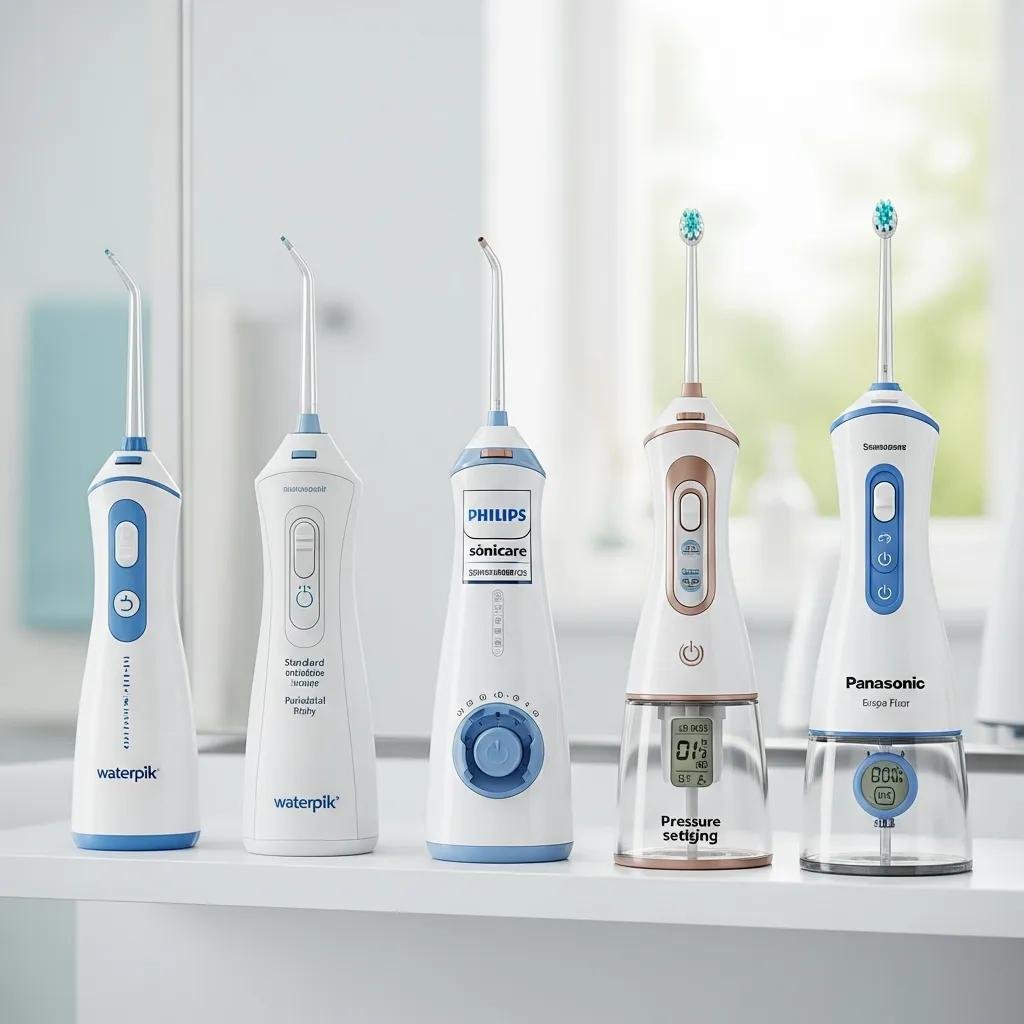
When selecting a water flosser, it’s essential to consider various brands and their unique features. Popular brands include Waterpik, Philips Sonicare, and Panasonic, each offering different models with varying pressure settings, tank sizes, and nozzle types. For instance, Waterpik’s WP-660 model features a water reservoir that can hold enough water for a full cleaning session and comes with multiple tips for different cleaning needs. User reviews often highlight the effectiveness of these devices in improving gum health and reducing plaque buildup.
How to Use a Water Flosser Effectively for Plaque Removal
To maximize the effectiveness of a water flosser, users should follow a few simple steps.
- Fill the reservoir with warm water and select an appropriate pressure setting.
- Aim the flosser tip at the gum line and turn it on, allowing the water to flow between teeth.
- Move the tip along the gum line and pause briefly between teeth to ensure thorough cleaning.
- Use the water flosser regularly, ideally once a day, to significantly enhance plaque removal and gum health.
What Are the Benefits and Techniques of Using String Floss?
String floss is a traditional method of interdental cleaning that involves using a thin strand of dental floss to remove plaque and food particles from between teeth. This method is highly effective for maintaining gum health and preventing cavities, as it allows for precise cleaning in tight spaces. Many dental professionals recommend string floss as a staple in daily oral hygiene routines.
Different Types of String Floss and Their Advantages
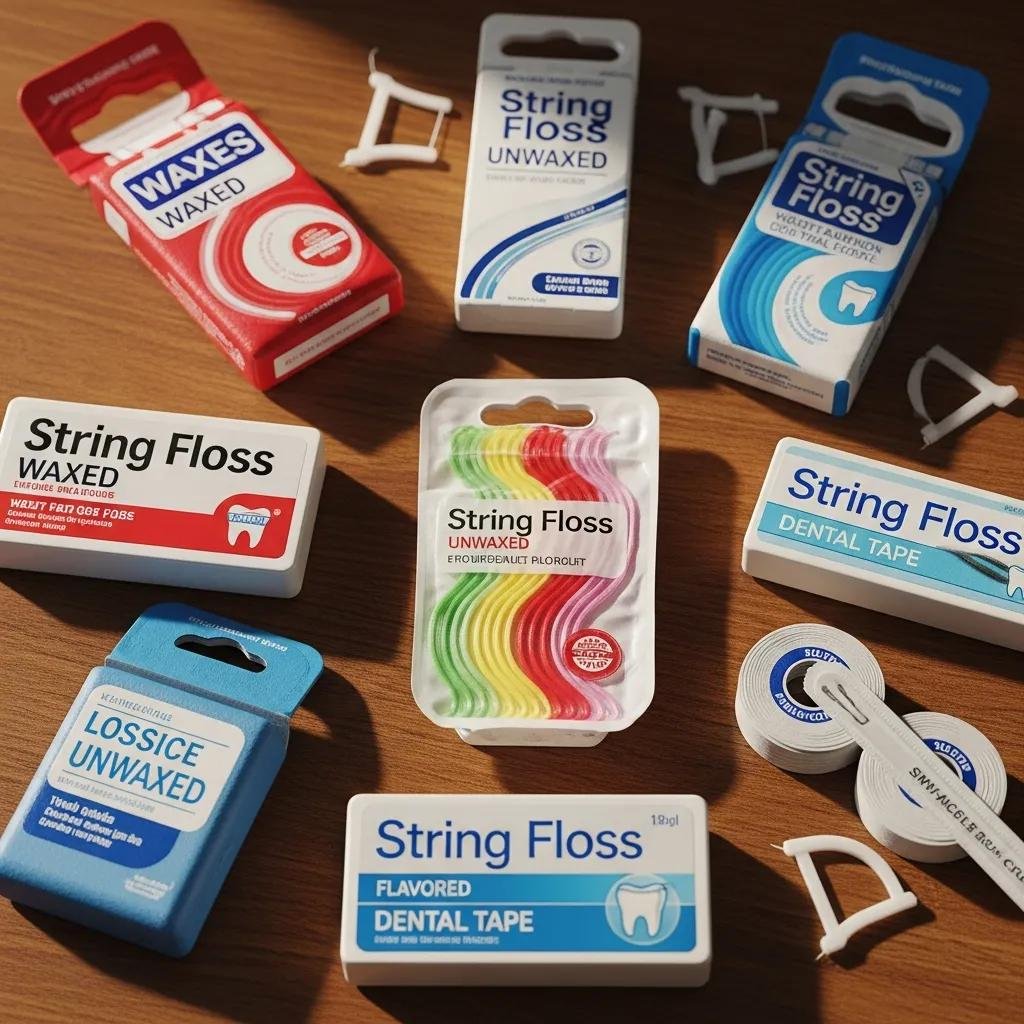
There are several types of string floss available, including waxed, unwaxed, flavored, and dental tape.
- Waxed floss is easier to slide between tight teeth, while unwaxed floss can provide a more thorough cleaning.
- Flavored options can make the experience more pleasant, encouraging regular use.
- Dental tape, which is broader and flatter, is ideal for individuals with wider gaps between their teeth.
- Each type has its advantages, making it essential to choose one that fits personal preferences and dental needs.
Proper String Flossing Techniques for Effective Interdental Cleaning
To effectively use string floss, individuals should follow a systematic approach.
- Cut a piece of floss about 18 inches long and wind the ends around the middle fingers, leaving a few inches of floss to work with.
- Gently slide the floss between teeth, curving it around each tooth in a C-shape to ensure thorough cleaning.
- Avoid snapping the floss, as this can damage gums.
- Use the floss regularly, ideally once a day, to significantly reduce plaque buildup and improve gum health.
How Do Water Flossers Compare to String Floss in Oral Hygiene?
When comparing water flossers and string floss, both methods have unique advantages and can be effective in maintaining oral hygiene. Water flossers are particularly beneficial for individuals with braces or dental work, as they can clean hard-to-reach areas. In contrast, string floss is often more effective at removing plaque from the surfaces of teeth.
Effectiveness in Plaque Removal and Gum Disease Prevention
Research indicates that both water flossers and string floss can effectively reduce plaque and prevent gum disease. A study published in the Journal of Clinical Dentistry found that participants using water flossers experienced a significant reduction in plaque and gingivitis compared to those using string floss alone. However, string floss remains a trusted method for many dental professionals due to its ability to provide direct contact with tooth surfaces.
Indeed, extensive data suggests that water flossers may offer superior biofilm and bacterial removal compared to traditional methods.
Water Flossers vs. String Floss for Biofilm Removal
Numerous studies suggest that water flossers remove biofilm from tooth surfaces and bacteria from periodontal pockets better than string flossing and manual toothbrushing—together or alone. Clinicians should review these findings and consider recommending water flossers for appropriate patients to improve their oral health.
Relevance of the water flosser: 50 years of data, DM Lyle, 2012
However, other studies present a more nuanced comparison regarding interdental plaque removal efficacy.
Water Flosser & String Floss Plaque Removal Efficacy
In contract to these results the present study showed water flosser (Waterpik® Cordless Plus Water Flosser) was similar to string floss in removing plaque interdentally.
Comparison between water flosser and regular floss in the efficacy of plaque removal in patients after single use, 2021
Cost, Convenience, and Patient Suitability Considerations
Cost and convenience are important factors when choosing between water flossers and string floss.
Water flossers typically have a higher initial cost but can be more convenient for individuals with limited dexterity or those who find traditional flossing challenging.
String floss is inexpensive and portable, making it a practical option for on-the-go cleaning.
Ultimately, the choice between the two methods may depend on individual preferences, dental needs, and lifestyle.
What Are the Best Practices for Integrating Flossing into Daily Oral Care?
Integrating flossing into daily oral care routines is crucial for maintaining optimal gum health and preventing cavities. Both water flossers and string floss can be used effectively in conjunction with regular brushing to enhance overall oral hygiene.
Combining Water Flossers and String Floss for Comprehensive Cleaning
For the best results, individuals may consider combining both methods. Using a water flosser can help remove larger debris and plaque, while string floss can provide a more thorough cleaning of tooth surfaces. This combination can lead to improved gum health and a more effective oral hygiene routine. Many dental professionals recommend this dual approach for patients seeking comprehensive cleaning.
Oral Hygiene Tools Comparison and Dental Floss Alternatives
In addition to water flossers and string floss, there are other oral hygiene tools available, such as interdental brushes and soft picks.
Interdental brushes are particularly useful for those with wider gaps between teeth, while soft picks can be a gentle option for sensitive gums.
Understanding the various tools available can help individuals choose the best options for their oral care routines.
What Do Patients Say About Water Flossers vs. String Floss?
Patient experiences can provide valuable insights into the effectiveness of water flossers and string floss. Many individuals report positive outcomes with both methods, highlighting their unique benefits.
Patient Testimonials and Experiences from Plano Texas Dental Care
Patients at Rudy Aldaragi DDS in Plano, Texas, have shared their experiences with both water flossers and string floss. Many have noted improvements in gum health and reduced plaque buildup after incorporating these methods into their routines. The dental practice emphasizes the importance of personalized oral care, encouraging patients to find the method that works best for them.
Frequently Asked Questions About Interdental Cleaning Methods
Patients often have questions about the effectiveness and safety of water flossers and string floss. Common inquiries include the best time to floss, how often to use each method, and whether one method is superior to the other. Dental professionals recommend flossing at least once a day, regardless of the method chosen, to maintain optimal oral health.
| Method | Effectiveness | Cost | Convenience |
|---|---|---|---|
| Water Flosser | High | Moderate to High | High |
| String Floss | High | Low | Moderate |