
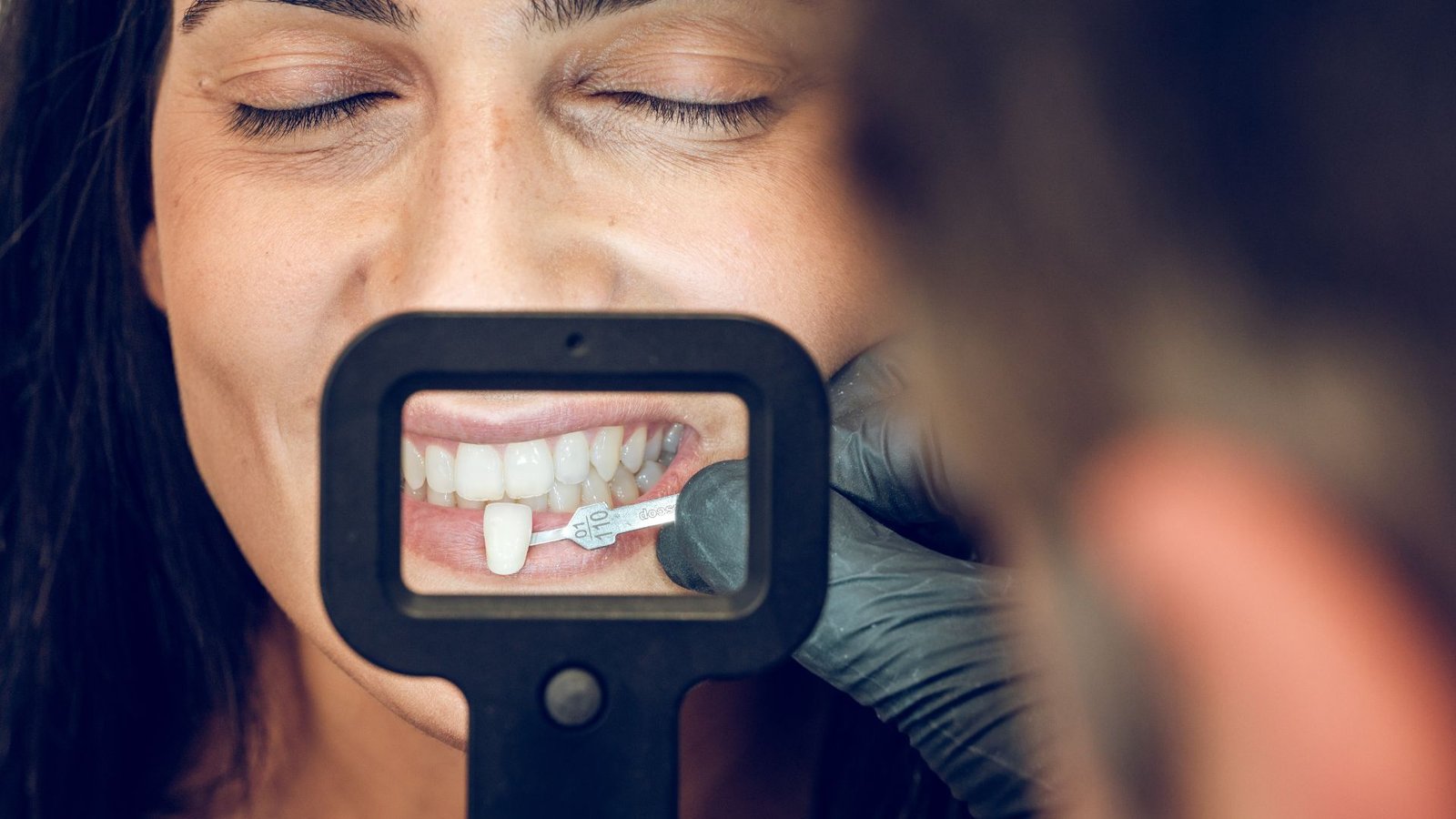
Sensitivity after getting veneers
It is normal to experience some sensitivity after getting veneers, but this discomfort is usually temporary and manageable: lasts no more than a few days, and most patients quickly feel comfortable as their teeth adjust to the new veneers. If sensitivity persists or becomes intense, you can visit our veneer specialist in Plano to ensure that everything is in order and make any necessary adjustments.How long does sensitivity last after veneers?
The good news is that for most people, sensitivity after veneers is temporary.First days of treatment
During the first 24 to 48 hours after veneers are placed, it is completely normal to feel:- Pressure on specific teeth.
- Slight sensitivity when chewing.
One week after treatment
By this time, most of the sensitivity will have significantly decreased. However, if sensitivity continues beyond the first week or intensifies, it may be a sign of a problem. In that case, it is important to make an appointment with a specialist to review the treatment and make any necessary adjustments.Why do you feel sensitivity after veneers?
Veneers are thin layers of porcelain or composite that are placed over the surface of the teeth to correct imperfections such as color, wear, or shape. During the procedure, a small amount of tooth enamel is removed so that the veneers fit perfectly. Although this procedure is minimally invasive, it can cause some sensitivity, especially during the first few days after treatment. The reason for this sensitivity is that removing a small layer of enamel exposes the dentin, which is the inner layer of the tooth that contains nerve endings. When this layer is exposed to stimuli such as heat, cold, or even air, it can cause mild but temporary discomfort.What to do if you feel discomfort after getting veneers?
Sensitivity after getting veneers should not be painful or intolerable. If you experience discomfort during the first days, here are some practical tips to relieve it:- Put your new aligner in at night: If your treatment includes changing aligners or additional elements, put these devices in before going to sleep, which will allow your body to adapt overnight.
- Avoid very cold or hot foods: During the first few days, try to avoid extreme temperatures so as not to increase sensitivity.
- Maintain good dental hygiene: Brush gently with a soft-bristled toothbrush so as not to irritate your gums or newly treated teeth.