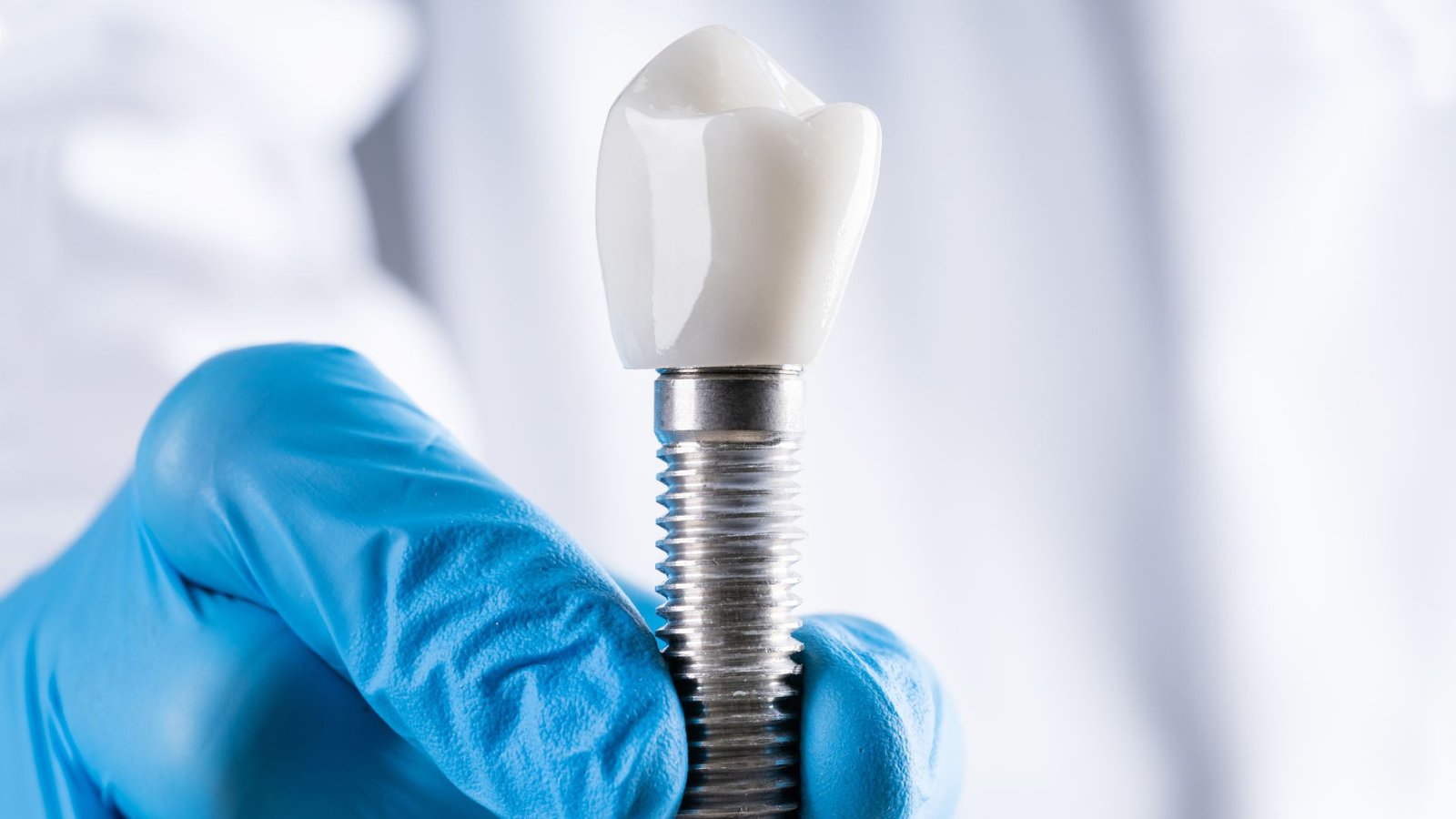
Making the decision to get a dental implant is an important step towards a healthier, more functional smile. But it’s natural to have questions, being one of the most common in our
dental practice in Plano TX: Can my body reject a dental implant?
In this article, we provide clear and professional answers to a common concern: dental implant rejection. What does it really mean? Is it common? Can it be prevented? Keep reading to clear up all your doubts and make a confident decision.
What is dental implant “rejection”?
When we talk about
dental implant rejection, we are not referring to an immune reaction as in the case of transplanted organs. Implants are made of titanium, a biocompatible material that rarely causes a negative reaction from the immune system.
However, it is possible that the implant may not integrate properly with the bone. This situation, known as
lack of osseointegration, is the closest thing to rejection and may be due to factors that we will discuss below.
Most common causes of dental implant rejection
Postoperative infection (peri-implantitis)
Infection in the implant area is one of the
most common causes of dental implant rejection. If good hygiene is not maintained, bacteria can inflame the gums and damage the bone around the implant.
Uncontrolled systemic problems
Diseases such as poorly managed
diabetes,
immunosuppressive treatments, or
autoimmune disorders can affect the osseointegration process.
Lack of bone support
For the implant to remain stable, it needs
sufficient bone volume. In cases where bone is scarce or of poor quality, the risk of rejection increases.
Bad habits
Smoking, poor oral hygiene or not following the specialist’s instructions can contribute to treatment failure.
How to know if there’s a problem with my dental implant?
Some symptoms that may indicate possible dental implant rejection are:
- Persistent pain beyond the first few days.
- Swelling, redness or discharge in the area.
- Feeling the implant slightly move.
- Constant bad breath or metallic taste.
How can dental implant rejection be prevented?
In our experience with
dental implants in Plano, there are some key practices we follow to avoid complications:
- Detailed preliminary assessment: we study your overall health, habits, medication, and bone condition.
- Precise surgical technique: we place the implant using digital guides that increase precision and reduce risk.
- Patient education: we give you clear guidelines for the postoperative period, from diet to hygiene.
- Regular check-ups: because it will always be better than treating a late complication.
However, if dental implant rejection occurs, we can solve it and plan a new attempt under more favorable conditions.
It is not a definitive failure.
At Rudy Aldaragi DDS, we approach each case with empathy, honesty and real solutions. Contact us!